
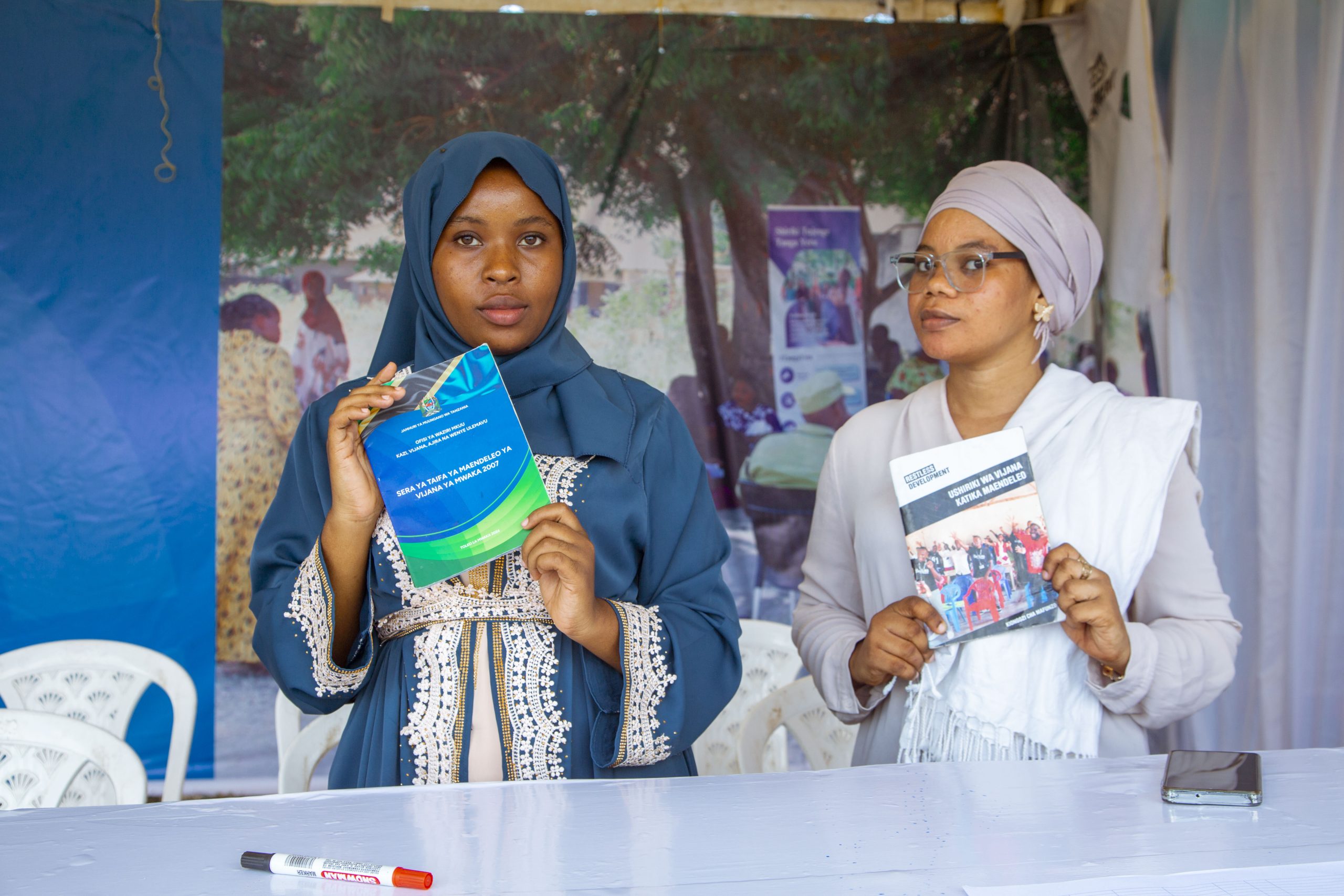
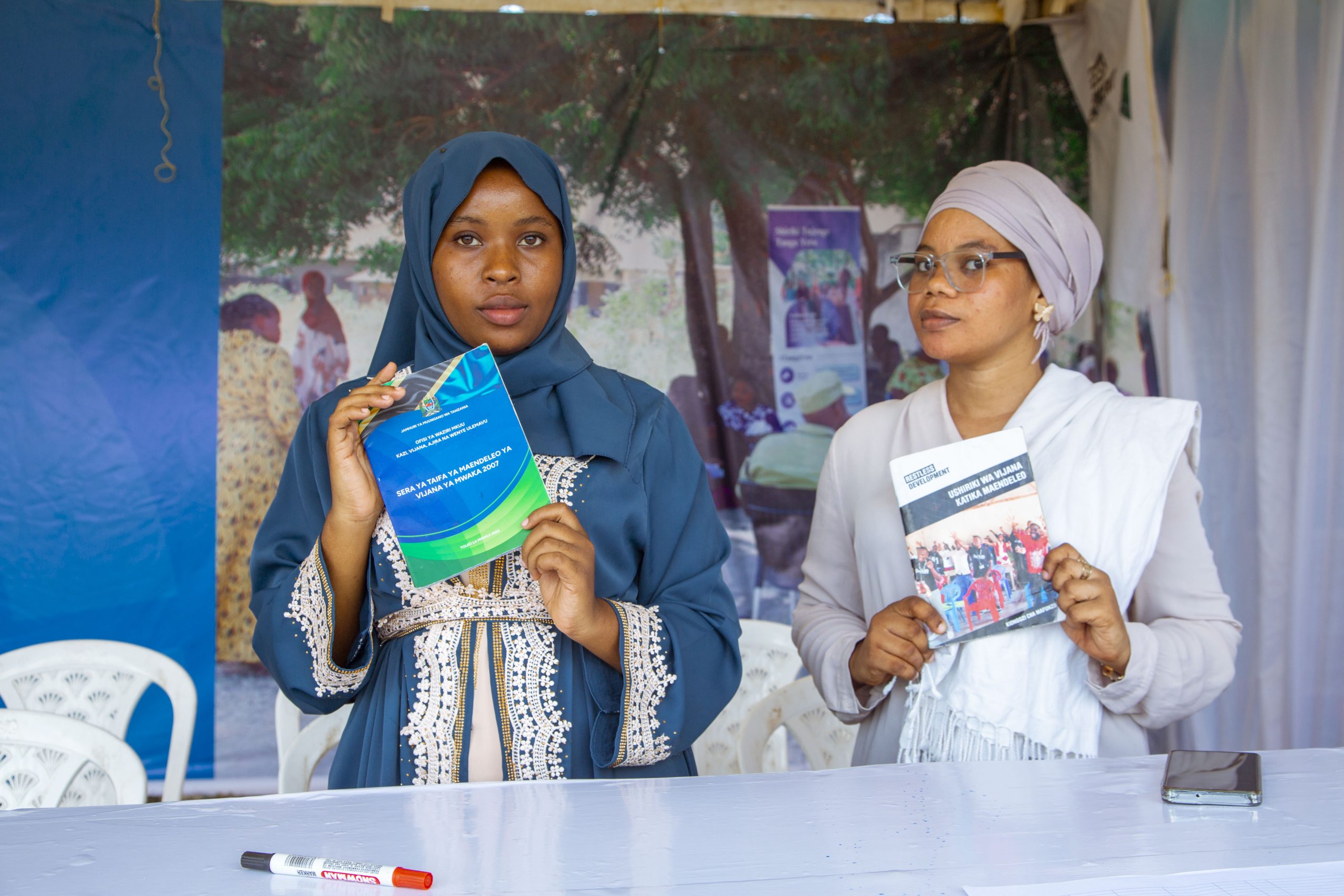
TANGA: A quiet but remarkable transformation is unfolding among young people in Tanga City. Once viewed as passive participants in community affairs, many youths are now taking center stage in local development by attending public meetings, pursuing entrepreneurship, accessing government opportunities and contributing to decisions that shape their communities.
The change is being driven by the Shiriki Tujenge TangaYetu Project, an initiative that has empowered thousands of young people with knowledge, confidence and practical skills while strengthening collaboration between youth, parents, local leaders and development partners.
Implemented by Restless Development in partnership with the Tanga City Council under the TangaYetu Programme, the project is funded by Foundation Botnar through Innovex and operates across all 27 wards of Tanga City.
Its goal is straightforward but ambitious: to ensure young people become active citizens capable of identifying opportunities, participating in decision-making processes and contributing meaningfully to the socio-economic development of their communities.
The programme comes at a time when the role of young people in Africa’s future has never been more important.
According to the Global Employment Trends for Youth 2024 Report, Africa is expected to account for the largest increase in the global labour force by 2050. Development experts argue that countries investing in youth today will be better positioned to achieve sustainable economic growth in the coming decades.
Despite this enormous potential, many young people in Tanga previously remained excluded from opportunities due to limited access to information, inadequate civic awareness, low self-confidence and the widespread perception that development opportunities were reserved for only a privileged few.
Negative cultural attitudes and weak communication between young people and local leaders further discouraged meaningful participation.
Rebuilding confidence
Speaking on the achievements of the programme, Patrick Msumary, TangaYetu Programme Coordinator, said one of the first challenges identified was the low level of self-confidence among young people.
“When we arrived in Tanga, we found many young people who lacked confidence. They were unable to stand before others and express their ideas, making it difficult for them to compete for opportunities or even communicate their aspirations,” Mr Msumary said.
He explained that the programme also found weak relationships between young people, their parents and the wider community, creating an environment where many youths felt excluded from discussions affecting their own future.
“There was a significant disconnect between young people, families and community leaders. Many youths had no platform to share ideas, even within their own households. As a result, they rarely participated in development initiatives despite having the potential to contribute,” he said.
According to Mr Msumary, the project therefore focused not only on equipping young people with knowledge but also on rebuilding trust between youth, families, local leaders and communities.
Through civic education, leadership development, mentorship programmes and community engagement sessions, young people have gradually gained the confidence needed to take part in community affairs.
Turning civic education into action
For Restless Development, another challenge was ensuring that civic education became practical rather than theoretical.
Fred Mtei, Project Manager for the Shiriki Tujenge TangaYetu Project at Restless Development, said many young people had studied civic education in school but lacked opportunities to apply it in their everyday lives.
“When we started recruiting youth facilitators, we discovered a huge gap. Civic education was something many people had learned only to pass examinations. Living those values in everyday life remained a challenge,” Mr Mtei said.
The organization responded by providing intensive training to youth facilitators before deploying them to educate fellow young people throughout the city.
According to Mr Mtei, the approach has produced encouraging results.
Youth attendance at community meetings has increased considerably, while communication between young people and government leaders has improved.
He recalled that before the project began, local authorities believed they were announcing development opportunities adequately, while young people insisted they were being left out.
“After conducting further assessments, we realised both sides were partly correct. Opportunities were indeed being announced, but information often reached only a few individuals who rarely shared it with others. Consequently, many young people believed there was no reason to participate because they assumed opportunities were never meant for them,” he explained.
Today, he said, stronger information-sharing mechanisms have helped ensure opportunities are distributed more fairly across communities, encouraging greater youth participation.
Winning parents’ trust
For youth facilitator Halima Bakari, perhaps the most significant achievement has been the transformation in parental attitudes towards youth participation.
She recalled that when the programme first began, convincing both young people and their parents was far from easy.
“Before we started delivering civic education, many young people were reluctant to participate because their parents did not encourage them to attend training or community activities. Some parents viewed such programmes as a waste of time and preferred their children to remain at home,” Ms Bakari said.
However, continuous awareness campaigns and visible success stories gradually changed those perceptions.
“Today, parents themselves encourage their children to attend training sessions, participate in community meetings and seize available opportunities. They have witnessed the positive changes in other young people’s lives and now understand the value of active participation,” she explained.
According to Ms Bakari, the growing support from parents has significantly strengthened the programme’s impact, with increasing numbers of young people confidently engaging in entrepreneurship, leadership and community development initiatives.
The shift, she said, demonstrates that empowering young people requires not only educating youth themselves but also changing attitudes within families and communities.
Economic empowerment bearing fruit
Beyond strengthening civic participation, the project is also transforming the economic lives of many young people through entrepreneurship training and improved access to economic opportunities.
One of the beneficiaries, Mwanamvua Mbwana Salehe, is among dozens of young entrepreneurs whose lives have changed after participating in entrepreneurship training organised under the project.
She said the training equipped her with practical skills in producing liquid soap, batik fabric and body butter, enabling her to consider self-employment as a viable livelihood.
“Although I learned several skills, I started with liquid soap because it required less capital. Before joining the programme, I stayed at home without any employment. Today I run my own small business and earn an income that supports my daily needs,” she said.
Ms Salehe described the project as a turning point in her life, saying the confidence and knowledge she gained inspired her to become financially independent instead of waiting for formal employment.
Development experts say stories such as hers demonstrate how equipping young people with practical skills can create sustainable livelihoods while reducing unemployment among youth.
Youth embracing government opportunities
The transformation is also reflected in the increasing number of young people participating in government development programmes.
Tanga City Deputy Mayor Khalid Rashid said the level of youth participation in recent years has improved significantly compared to the past.
“It is true that we have witnessed remarkable progress. Young people are now participating actively in various development initiatives and are increasingly taking advantage of opportunities provided by the council,” Mr Rashid said.
He cited the council’s 10 per cent loan scheme as one of the clearest indicators of the changing mindset among young people.
According to him, the Tanga City Council has already disbursed more than Sh3 billion to 174 groups, with youth accounting for the largest share of beneficiaries.
“The response from young people has been overwhelming.
Many youth groups have applied for the loans, while others are still waiting to receive funding. This demonstrates that today’s young people are more confident and more willing to invest in income-generating activities than ever before,” he said.
Mr Rashid commended the TangaYetu Programme and its partners for complementing government efforts to empower young people and encouraging them to recognise both their rights and responsibilities in community development.
Participatory approach driving change
For Simon Mdende, Community Development Officer at Tanga City Council, the project’s success lies in its participatory approach, which places young people at the centre of development planning rather than treating them merely as beneficiaries.
Having worked in Tanga for nearly four years, Mr Mdende said the difference between the situation then and now is evident.
“When I compare the situation of young people four years ago with what we see today, the change is remarkable. One of the biggest strengths of the TangaYetu Programme is that it allows young people to participate from the very beginning—identifying challenges, designing solutions and implementing their own projects,” he said.
Mr Mdende noted that the programme’s mindset change component has also played a vital role in encouraging young people to become innovative, responsible and self-reliant.
“The programme has helped many young people believe in themselves. They now understand that they have the capacity to create opportunities instead of waiting for opportunities to come to them. That change in attitude is one of the project’s greatest achievements,” he explained.
He added that the growing involvement of young people is already contributing to the city’s economic growth while strengthening social cohesion within communities.
With young people forming a significant proportion of Tanga City’s population, he stressed that creating an enabling environment for them is essential for sustainable development.
“If we fail to invest in young people today, we risk creating future social and economic challenges. But when we empower them, we build a stronger economy and a more resilient society,” he said.
Building tomorrow’s leaders today
Development stakeholders believe the experience of Tanga demonstrates that youth empowerment extends beyond providing financial support.
It requires sustained investment in civic education, leadership development, entrepreneurship, mentorship and meaningful participation in governance.
Through the Shiriki Tujenge TangaYetu Project, thousands of young people have become more confident, better informed and increasingly involved in shaping the future of their communities.
Parents who once discouraged participation are now encouraging their children to seize opportunities. Local leaders who once struggled to engage youth are now working alongside them. Young people who once lacked confidence are now leading businesses, participating in community meetings and contributing ideas that influence local development.
As Tanzania continues to pursue inclusive development and prepares for the demographic opportunities of 2050, the experience of Tanga offers an important lesson: when young people are trusted, equipped with knowledge and given space to participate, they become not merely beneficiaries of development but indispensable partners in building prosperous, resilient and inclusive communities.