
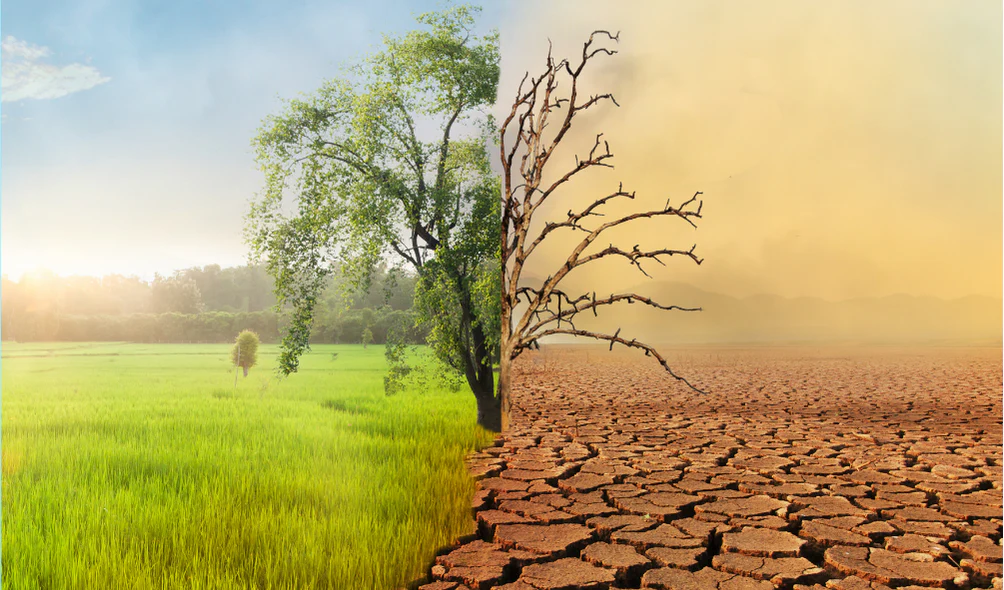

TANGA: TANGA Region is losing an estimated 50bn/- annually due to the effects of climate change, with rising sea temperatures, declining fish catches and reduced seaweed production threatening the livelihoods of thousands of coastal residents.
The findings, covering the period between 2021 and 2025, were unveiled yesterday by Tanga Regional Commissioner Dr Batilda Burian during the official announcement that Tanzania will host the 12th Conference of Parties (COP12) to the Nairobi Convention from October 6 to 9 this year.
Presenting the findings to Deputy Minister in the VicePresident’s Office (Union and Environment), Reuben Kwagila, Dr Burian said the study paints a worrying picture of the growing impact of climate change on the region’s blue economy.
According to the study, the average sea surface temperature increased from 25.6 degrees Celsius in 2021 to 28.36 degrees Celsius in 2024, disrupting marine ecosystems and reducing fish availability.
The report also found that the number of fishing days declined sharply from 220 days in 2021 to 170 days in 2025, mainly because rougher and increasingly unpredictable sea conditions have kept fishermen ashore more frequently.
Fish productivity has also suffered, with the average catch per unit of fishing effort falling by between 25 and 30 per cent, while post-harvest losses increased from 20 per cent in 2021 to 27 per cent in 2025 due to rising temperatures and inadequate cold storage facilities.
Seaweed farming, one of the region’s most important sources of income for coastal communities, particularly women, has also recorded significant declines due to rising ocean temperatures, changing salinity levels and other climate-related disturbances.
ALSO READ: Six arraigned in 273.5m/- hospital fraud case
Overall, the study estimates that climate change is draining about 50bn/- annually from Tanga’s economy through declining fisheries, post-harvest losses and reduced seaweed production.
Responding to the findings, Deputy Minister Kwagila, who also participated in a seagrass planting exercise along the Tanga coastline, commended regional authorities for taking the initiative to scientifically assess the local impacts of climate change instead of waiting for national interventions.
He said the study provides practical evidence that will help guide climate adaptation strategies and praised regional authorities for proactively identifying both the challenges and possible solutions.
“This is exactly the kind of evidence we need. Understanding the magnitude of climate change at the local level enables us to develop targeted interventions that protect livelihoods and the environment,” he said.
Mr Kwagila said Tanzania’s hosting of the Nairobi Convention COP12 demonstrates the country’s growing commitment to marine conservation, climate resilience and the sustainable management of the Western Indian Ocean.
The conference will bring together member states and international partners to discuss coordinated action to protect marine and coastal ecosystems that support millions of people across the region.
He said the meeting will also provide an opportunity for Tanzania to showcase its efforts in environmental conservation, climate adaptation and the sustainable use of marine resources.