
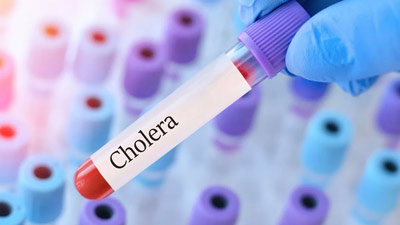
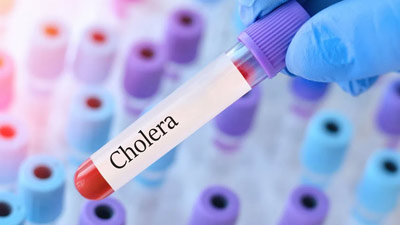
ARUSHA: THE government has directed regional and council health officials to ensure the elimination of cholera outbreaks during the 2026/27 financial year as part of efforts to achieve a Zero Cholera Tanzania.
The directive was issued by the Minister of State in the Prime Minister’s Office responsible for Regional Administration and Local Government (PMORALG), Prof Riziki Shemdoe, while opening a four-day annual evaluation meeting on the implementation of health and environmental sanitation interventions at regional and council levels in Mainland Tanzania in Arusha yesterday.
Prof Shemdoe said the country has made significant progress in controlling cholera, with the number of reported cases declining from about 12,000 to 700 last year, but stressed that deliberate efforts are still needed to eliminate the disease completely.
“Leaders have stated here that although the number of cases has decreased in some areas, deliberate efforts are still needed to achieve the goal of ‘Zero Cholera Tanzania’,” he said.
He directed regional and council leaders to revive monthly sanitation campaigns at all levels, including regions, councils, wards and villages, as part of efforts to control communicable and non-communicable diseases.
“The achievements recorded, including the reduction of outbreaks in some regions, should be used as a foundation to accelerate the implementation of health interventions, environmental sanitation and community surveillance,” he said.
On investment in health infrastructure, Prof Shemdoe said that between 2021 and 2025, the Sixth Phase Government constructed handwashing facilities in 2,002 schools and 374 health facilities across the country.
He said the government has allocated about 35bn/- in the current financial year to strengthen water, sanitation and hygiene infrastructure in more than 500 schools and health facilities nationwide. The minister further said that more than 1,776 food producers and distributors were registered during the past year, compared to 345 in previous years, to strengthen food safety systems and protect public health.
According to him, collaboration between health authorities and the Tanzania Bureau of Standards (TBS) has enhanced food quality control and improved public health protection.
ALSO READ: Government begins process to create Mwibara Council
Director of Health Services, Social Welfare and Nutrition at PMO-RALG, Dr Rashid Mfaume said the meeting seeks to review progress in the implementation of health and environmental sanitation interventions at regional and council levels in line with national guidelines and sector targets.
He said participants will also assess access to and use of water, sanitation and hygiene services in households, educational institutions, health facilities and public spaces, as well as evaluate the implementation of WASH programmes across the country.
For his part, UNICEF WASH Programme Officer, Remigius Sungu, said UNICEF will continue collaborating with the government to improve water, sanitation and hygiene services, particularly in health facilities, primary schools and other public institutions.
Speaking on behalf of sector ministries, Chief Environmental Health Officer in the Ministry of Health, Ms Mariam Mashimba, said the government remains committed to implementing Sustainable Development Goal 6, which aims to ensure access to clean water and adequate sanitation services for all.
She said the government continues to work closely with the World Health Organisation (WHO) and UNICEF through the Joint Monitoring Programme (JMP), which tracks progress in water, sanitation and hygiene services in households, schools and health facilities.