
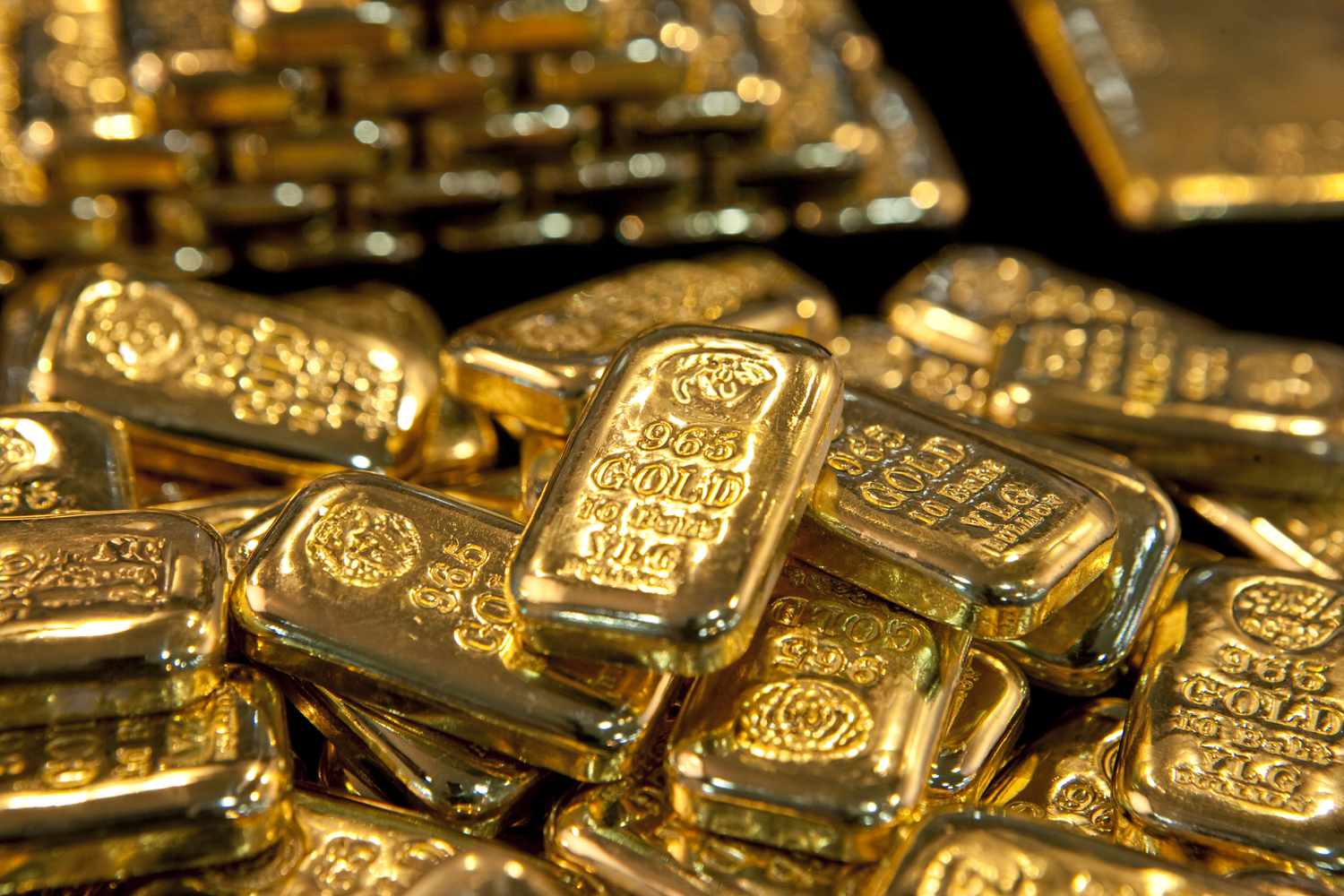

DAR ES SALAAM: THE Bank of Tanzania’s (BoT) gold bullion holdings increased last month, strengthening the central bank’s balance sheet as higher gold reserves offset declines in cash holdings and government securities.
According to the BoT’s Statement of Financial Position released on Monday, the value of bullion holdings rose by 4.0 per cent to 6.07tri/- at the end of June, up from 5.84tri/- in May. Monetary gold also increased by 9.9 per cent to 3.45tri/- from 3.14tri/-.
The increase pushed the central bank’s total assets up by 1.2 per cent to 32.11tri/- from 31.73tri/- recorded at the end of May. Economist and investment banker Dr Hildebrand Shayo said the sustained growth in gold reserves strengthens macroeconomic stability, reinforces the external sector and enhances the country’s long-term financial security.
“The increase in bullion holdings and monetary gold has strengthened the central bank’s balance sheet and underscores gold’s growing role in reserve management,” Dr Shayo told the ‘Daily News’ yesterday.
He noted that amid persistent geopolitical tensions, volatile financial markets and exchange-rate uncertainty, expanding gold reserves provides an important buffer against external shocks.
“Increasing gold holdings improves the quality and diversification of a nation’s international reserves,” he said.
Financial analyst Kelvin Msangi said the higher bullion holdings strengthen the country’s reserve buffer, reduce dependence on foreign currencies, boost confidence in the shilling and enhance Tanzania’s capacity to meet its external debt obligations.
“Importantly, when the Bank of Tanzania purchases gold from local miners, more money remains within the domestic economy,” Mr Msangi said.
Dr Shayo said the growth in total assets further enhances the central bank’s credibility.
“A stronger balance sheet increases confidence among international investors, credit rating agencies and development partners by demonstrating that the country has sufficient reserve assets to support monetary policy, stabilise the exchange rate and meet external obligations, when necessary,” he said.
Other assets also recorded gains during the month. Foreign currency marketable securities rose to 7.09tri/- from 6.89tri/, while advances to the government increased to 5.83tri/- from 5.33tri/-. On the liabilities side, currency in circulation increased to 10tri/- from 9.52tri/-, while deposits from banks and nonbank financial institutions rose to 6.50tri/- from 6.11tri/-.
ALSO READ: Tanzania unveils water investment opportunities
Total liabilities climbed to 28.91tri/- from 28.27tri/-. Dr Shayo said the increase in currency in circulation reflects resilient domestic demand, while higher deposits from financial institutions point to comfortable liquidity in the banking sector.
“The rise in currency in circulation and bank deposits at the BoT signals expanding economic activity and sustained confidence in the financial system,” he said.
Equity, however, declined to 3.20tri/- from 3.46tri/-. Dr Shayo attributed the decrease mainly to valuation and accounting adjustments rather than a weakening financial position.
He said gold remains a strategic reserve asset because, unlike foreign-currency assets, it is not directly influenced by other countries’ monetary policies and has traditionally served as a safe haven during periods of inflation, financial crises and geopolitical uncertainty.
He added that as central banks worldwide continue to increase their gold holdings, Tanzania’s strategy aligns with the global trend of diversifying reserves and reducing reliance on major reserve currencies.
Dr Shayo further said the simultaneous increase in foreign currency marketable securities and advances to the government indicates that the central bank is balancing reserve accumulation with support for fiscal operations and economic activity.
However, he cautioned that such support should continue to be managed prudently to safeguard the central bank’s independence and avoid excessive monetary expansion that could fuel inflation.
Overall, he said, the continued growth in gold reserves strengthens the central bank’s balance sheet, supports exchange-rate and price stability, improves reserve diversification and enhances the country’s resilience to global economic and financial shocks.