

NEW YORK: PRESIDENT of the Inter-Parliamentary Union (IPU), Dr Tulia Ackson, has led a special meeting to discuss the state of leadership equality for women at the United Nations Headquarters in New York.
The meeting took place at the ECOSOC Hall as a parliamentary event organized by the IPU in collaboration with UN-Women, on the sidelines of the 70th session of the Commission on the Status of Women.
Speaking during the session, Dr Ackson emphasized the critical role of parliaments worldwide in advancing gender equality, particularly in decision-making positions.
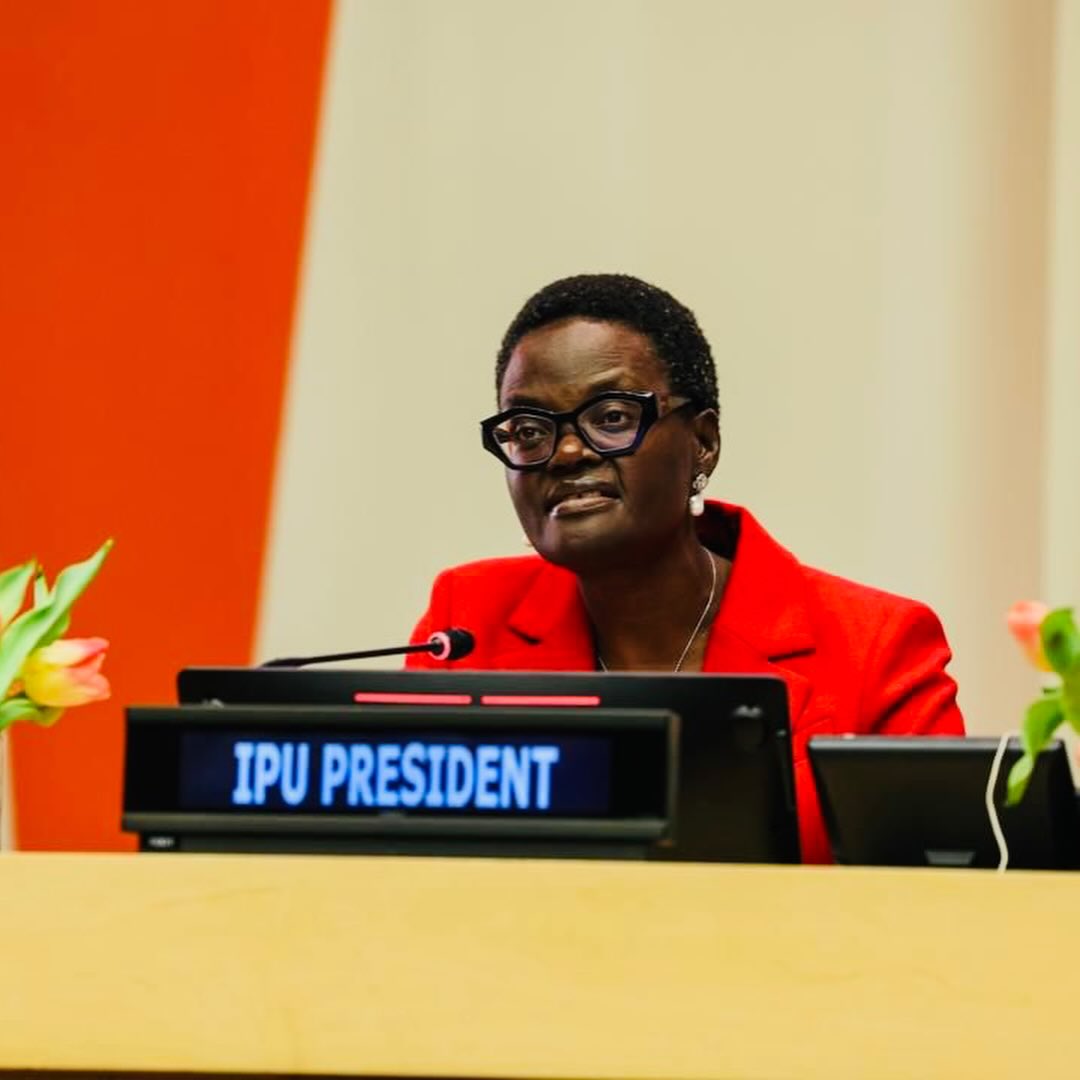
“Parity is a moral imperative, because women have an equal right to shape the decisions that govern their lives. But it is also the smart thing to do. Institutions make better decisions when they reflect the societies they serve. They are better able to identify bias, design fairer responses, and earn public trust when women from all backgrounds are present and influential, at every level,” IPU President Tulia Ackson stated.
ALSO READ: Tanzania welcomes home its citizens fleeing the US-Israel-Iran war
Participants also discussed the role of parliaments in achieving balanced decision-making and ensuring access to justice for women and girls through gender-responsive approaches.
The meeting brought together parliamentarians, policymakers, and stakeholders to deliberate on strategies to strengthen women’s participation in leadership and decision-making processes globally.
This year’s 70th Session of the Commission on the Status of Women, the United Nations’ highest-level intergovernmental body that sets global standards for women’s rights and gender equality, is a once-in-a-generation opportunity to reverse the rollback of women’s rights. The future of democracy will be stronger, fairer, and more resilient when women are equally represented in decision-making at all levels.
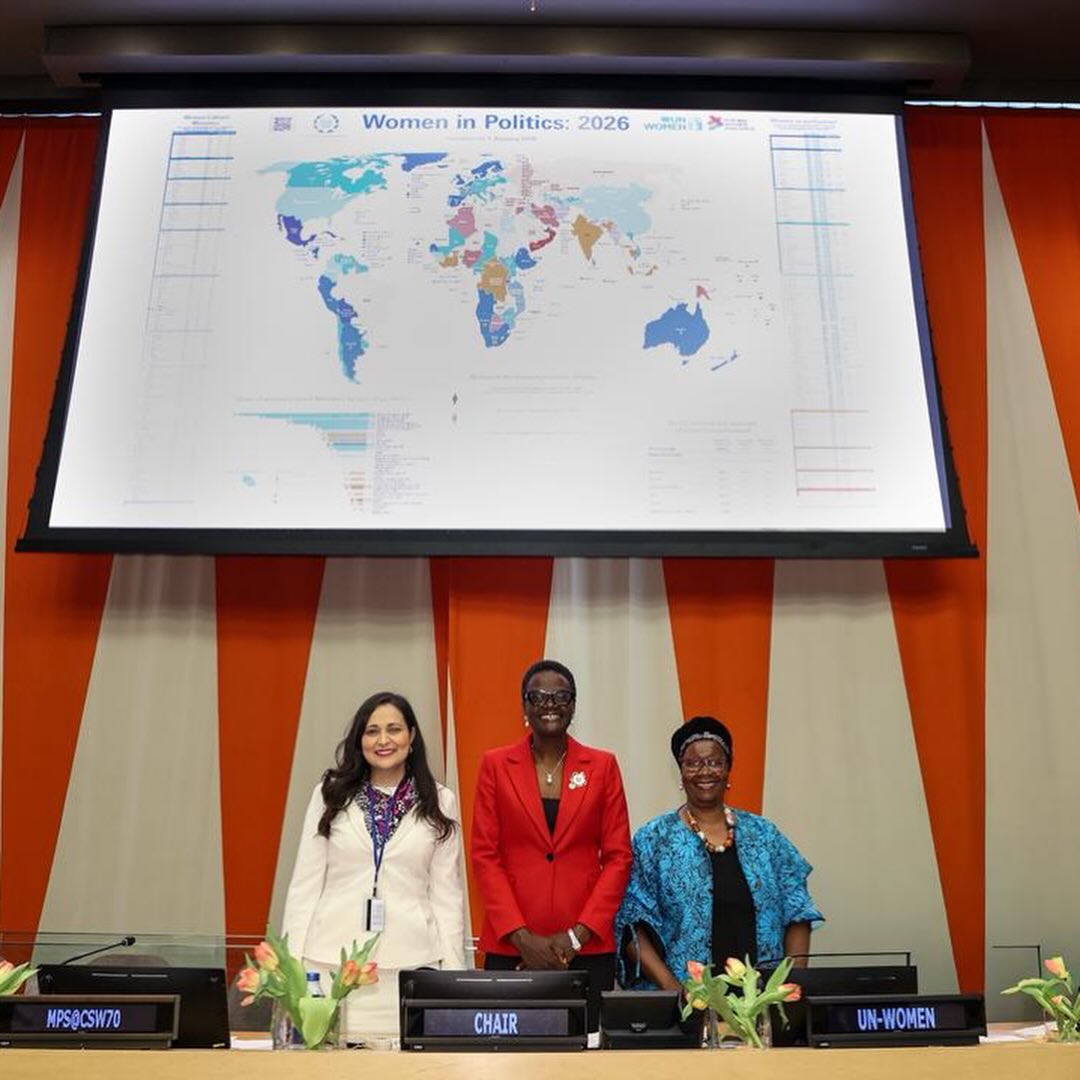
According to information from the IPU, across the world, women remain vastly under-represented in political leadership, with the most powerful decisions still overwhelmingly made by men.
Elaborating, the union stated that in 2026, only 28 countries are led by a woman Head of State or Government, while 101 countries have never had a woman leader, according to the latest data released by the IPU and UN Women.
“When women are shut out of political leadership, decisions that shape peace, security, and economic priorities are made without half of the world’s experience at the table. The new global data reveals stagnation, and in some cases regression, in women’s political leadership, particularly in executive government,” a statement from the union read.