

DAR ES SALAAM: FEW Tanzanian beauty queens have successfully reinvented themselves beyond the crown quite like Nancy Sumari.
Once celebrated for her reign as Miss Tanzania 2006 and Miss World Africa, she is now earning recognition for something far more lasting, transforming inclusive education through technology.
For many Tanzanians, Nancy remains the elegant young woman who carried the country’s flag onto international pageantry stages nearly two decades ago. But behind the glamour, public appearances and titles was a woman whose ambitions stretched far beyond beauty contests.
Today, she is focused on changing the lives of deaf and hardof-hearing children through digital learning innovation, a mission she says is deeply connected to a dream she carried long before fame found her. In a candid interview with Woman magazine, Sumari reflects on a journey shaped by purpose, education and a desire to create meaningful social impact. Interestingly, her entry into pageantry was never carefully planned.

She recalls going to register for the Miss Tanzania competition only to find the office closed. Instead of heading back home, she joined friends at a nearby restaurant, where she unexpectedly met one of the organisers, a moment that would eventually alter the course of her life.
“It was not something I had planned in detail,” she says. “But that moment opened a door. I stepped into it, and it became part of my journey.” Winning Miss Tanzania in 2006 and later being crowned Miss World Africa brought continental recognition and opened doors to global platforms.
Yet Sumari says the exposure never changed who she was at her core.
“My purpose was already very clear from a very young age. I always wanted to be a teacher. I loved working with children. I was interested in how education can shape someone’s life long term,” she said.
Rather than redefining her ambitions, she says the pageantry experience refined them by giving her confidence, visibility and opportunities that later helped her pursue projects centred on education and social development. That passion eventually evolved into one of Tanzania’s most innovative education initiatives, the Kalimani App, developed under her company, JengaHub.
The application is designed to support deaf and hard-of-hearing children using Tanzanian Sign Language, interactive illustrations, animated learning characters and curriculum-based lessons tailored to early childhood and lower primary education.
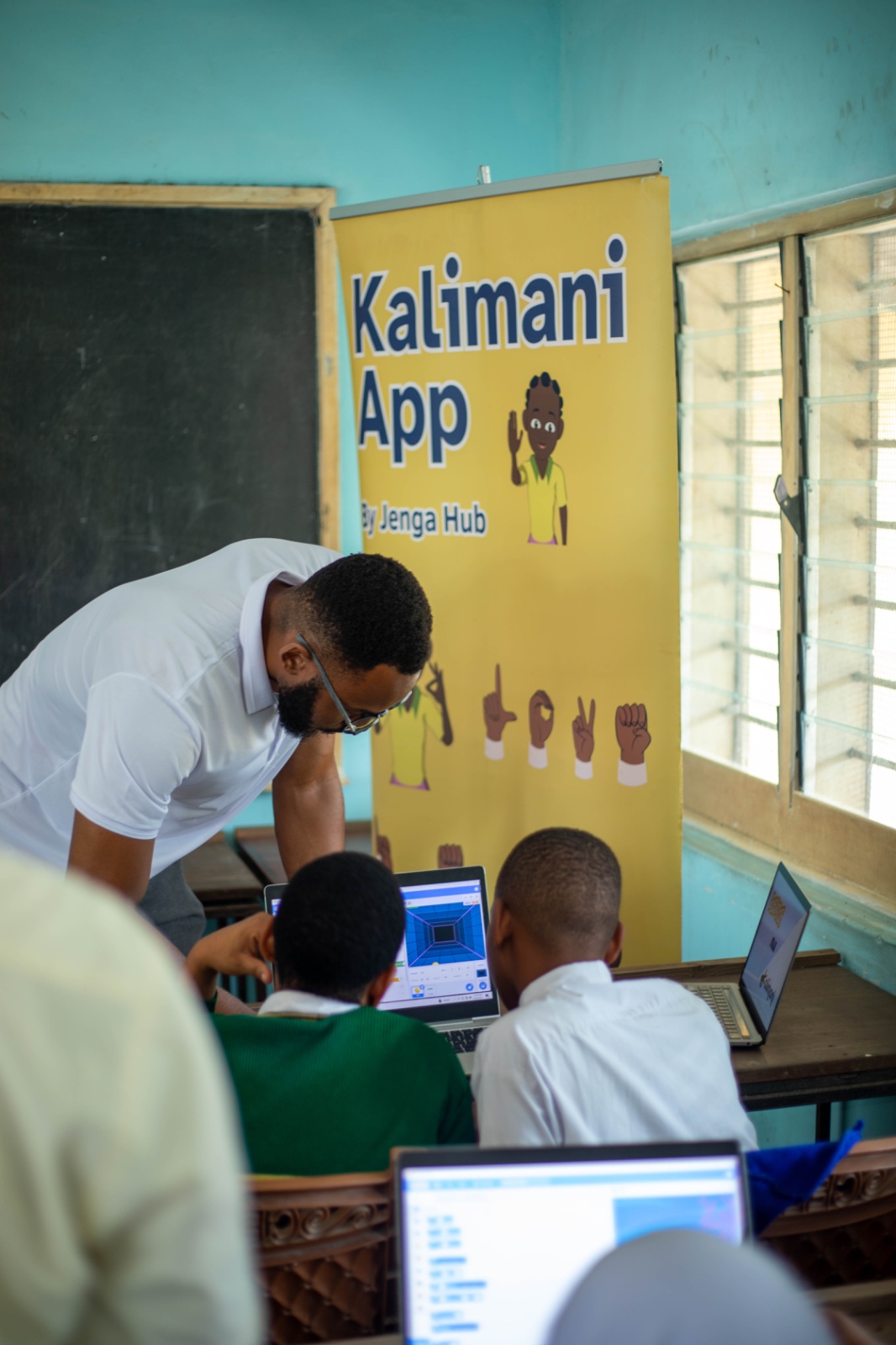
According to Nancy, the platform was created to address a longstanding gap in accessible learning tools for children with hearing impairments.
“At the heart of the app is the belief that no child should be left behind because of disability or lack of access to proper learning tools,” she says.
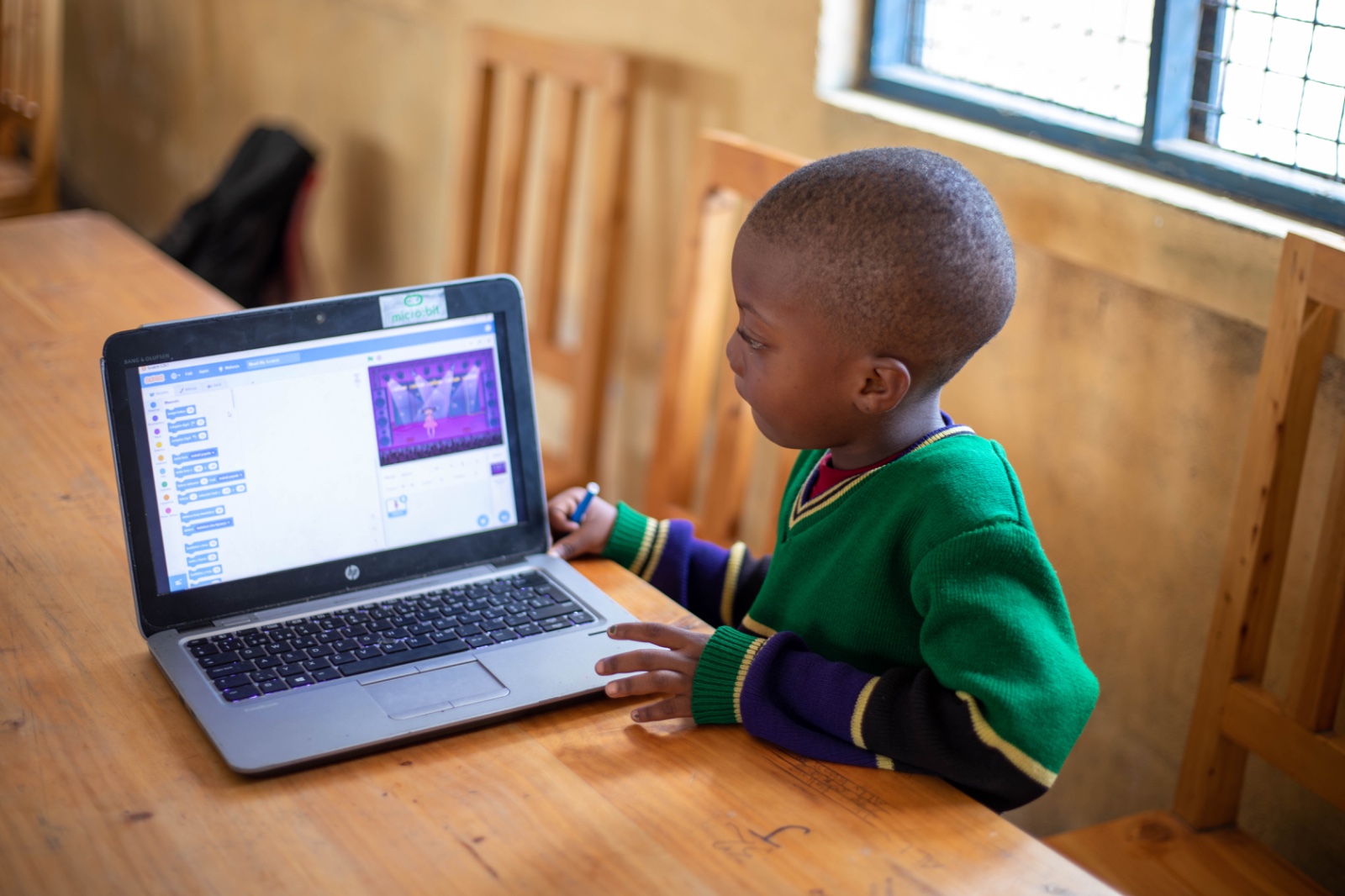
The app helps children learn reading, writing and numeracy through visual instruction and sign language guidance, allowing them to learn both at school and at home at their own pace. One of its most distinctive features is the use of animated characters that guide learners through lessons in sign language, helping simplify concepts that are often difficult to explain using conventional teaching methods.
The platform is also expanding to include artificial intelligencepowered features capable of translating written content into sign language, an innovation expected to improve accessibility even further. The impact of the initiative has already extended beyond Tanzania’s borders.
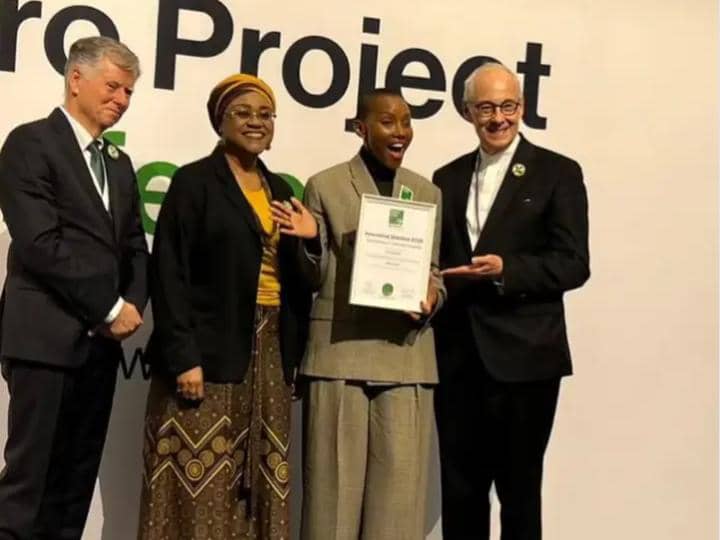
In February 2026, Sumari and her team received the prestigious Zero Project Innovation Award in Vienna, Austria, in recognition of their contribution to inclusive education and disability support. For her, the award represented more than personal achievement.
“It was a very humbling moment. To see a Tanzanian innovation being recognised on that level shows that we are capable of building solutions that matter globally,” she says.
The development of Kalimani involved collaboration with teachers, education specialists, technology experts and institutions including the Tanzania Institute of Education. Organisations such as Child Support Tanzania and Kyaro Assistive Tech also contributed to the project to ensure the platform addresses real classroom challenges faced by deaf learners.
“Working with these partners helped ensure that the app is not just a technological product, but a practical classroom tool that fits into the national curriculum,” Ms Nancy said.
She adds that teachers played a central role during the development process.
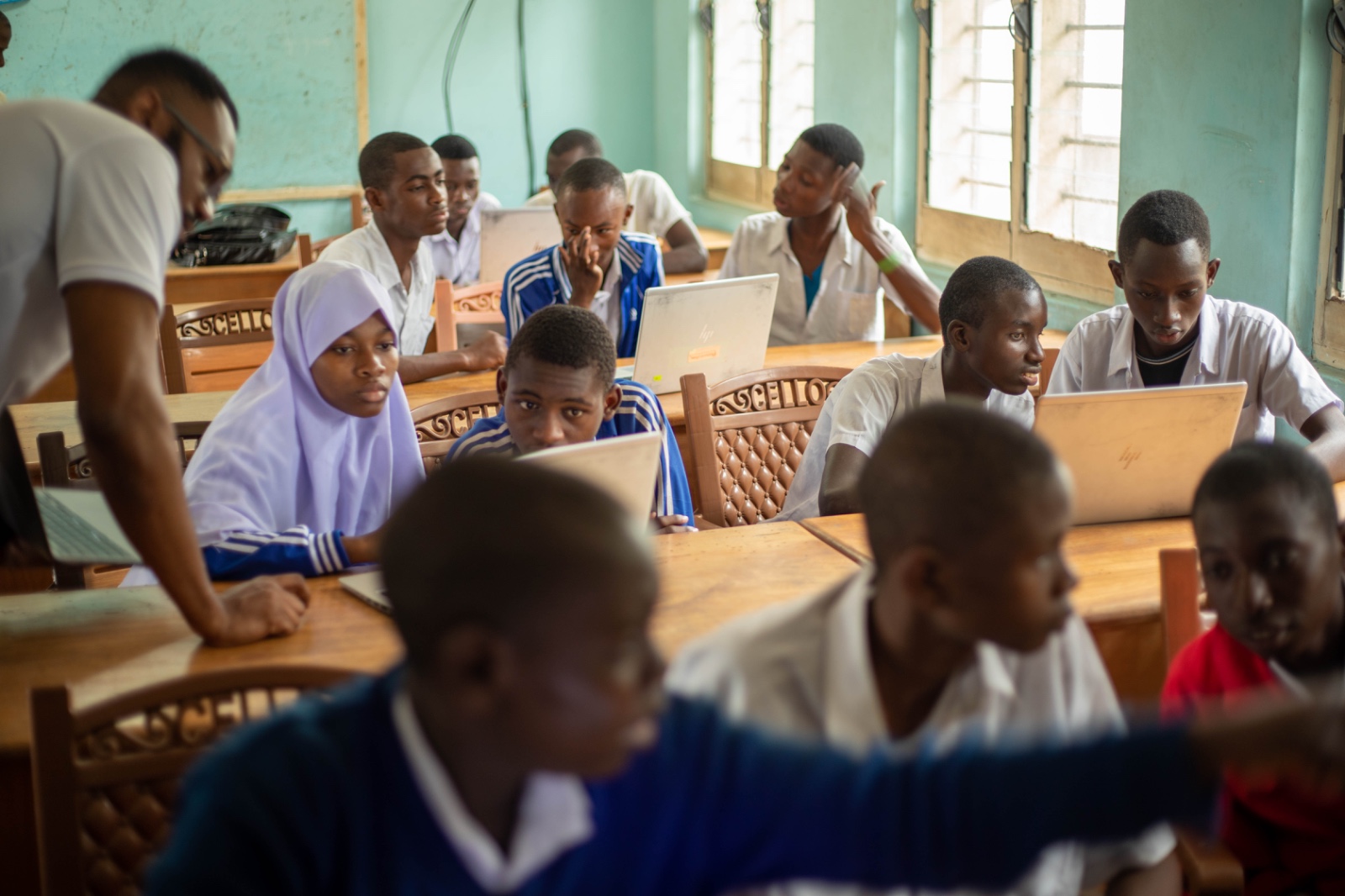
“We worked very closely with teachers and experts. The goal was to ensure that what we build actually responds to the realities of deaf children in our schools.” The initiative is currently being implemented in about 35 schools across the country, with plans underway to expand into more mainstream and special education institutions in different regions.
Importantly, the application is offered free of charge, while teachers are also trained on how to use it effectively in classrooms. Beyond academics, Nnacy believes the project is helping reshape attitudes towards inclusion among children themselves. Interestingly, some hearing pupils are now learning sign language simply to communicate better with their classmates, something she describes as one of the project’s most meaningful outcomes.
ALSO READ: Arusha hosts EAC talks on trade standards
“It is not just about disability anymore; it is about inclusion. It is about children learning together and understanding each other,” Nancy says.
While the project continues to gain recognition, Sumari admits balancing leadership, motherhood and family responsibilities remains one of her biggest personal challenges.
“Work-life balance is one of my biggest challenges,” she says. “I have learned that balance is not something you perfect, you just do your best with the time and support you have.” She said that many women often feel pressured to excel in every role at the same time, whether as professionals, mothers, wives or caregivers.
Strong family support systems and faith, she says, have helped her navigate those expectations. Beyond her professional work, Nancy also expresses concern about the growing culture of online abuse and cyberbullying, saying society has not done enough to prepare people to use digital platforms responsibly.
“We have not fully prepared people to be better human beings online and offline. Behind the phone, people feel powerful enough to destroy others,” she says.
According to her, lasting solutions begin with parenting, values and how children are raised to treat others with kindness and respect. She also credits her upbringing for shaping her discipline and work ethic, particularly the influence of her father, who strongly emphasised education and responsibility from an early age.
“My father played a central role in instilling a strong belief in education, hard work and responsibility, and these principles continue to guide me in everything I do,” she says.
Looking back, Nancy’s journey has moved across remarkably different worlds, from beauty pageants to classrooms, from international stages to local schools, and from personal ambition to public service. Yet throughout those transitions, one thing has remained unchanged: her commitment to creating meaningful impact.
Today, Nancy Sumari’s crown may no longer rest on a pageant stage, but in classrooms where deaf children are finally being seen, heard and included.