
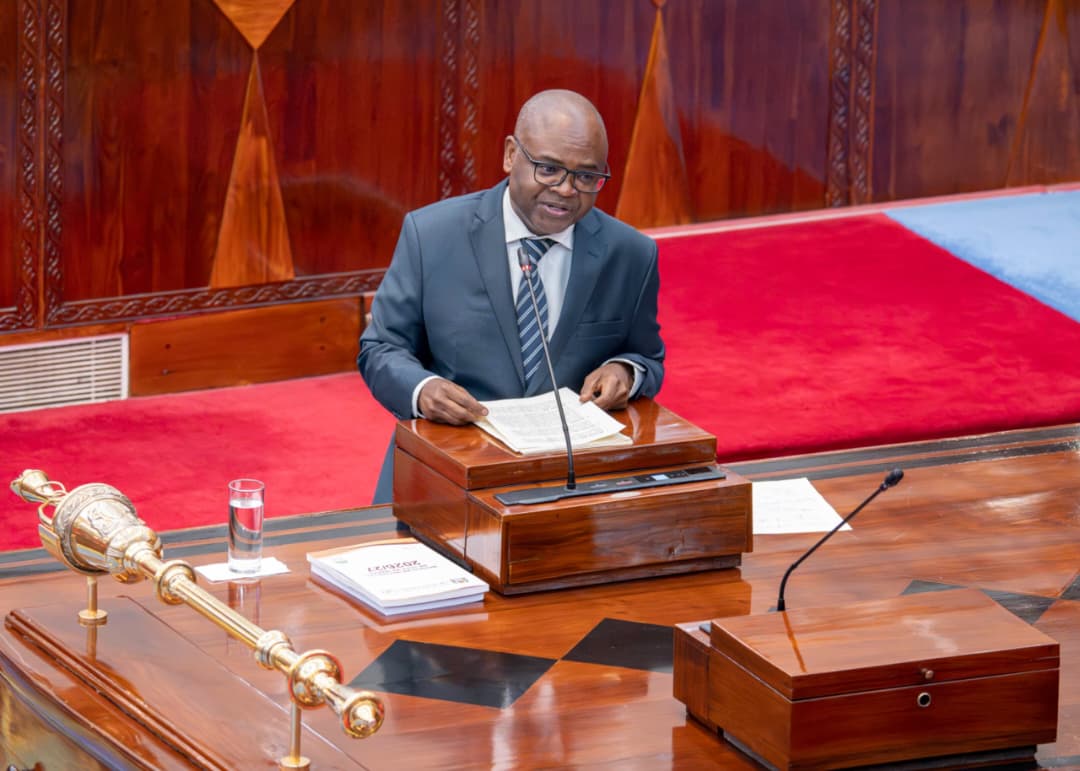
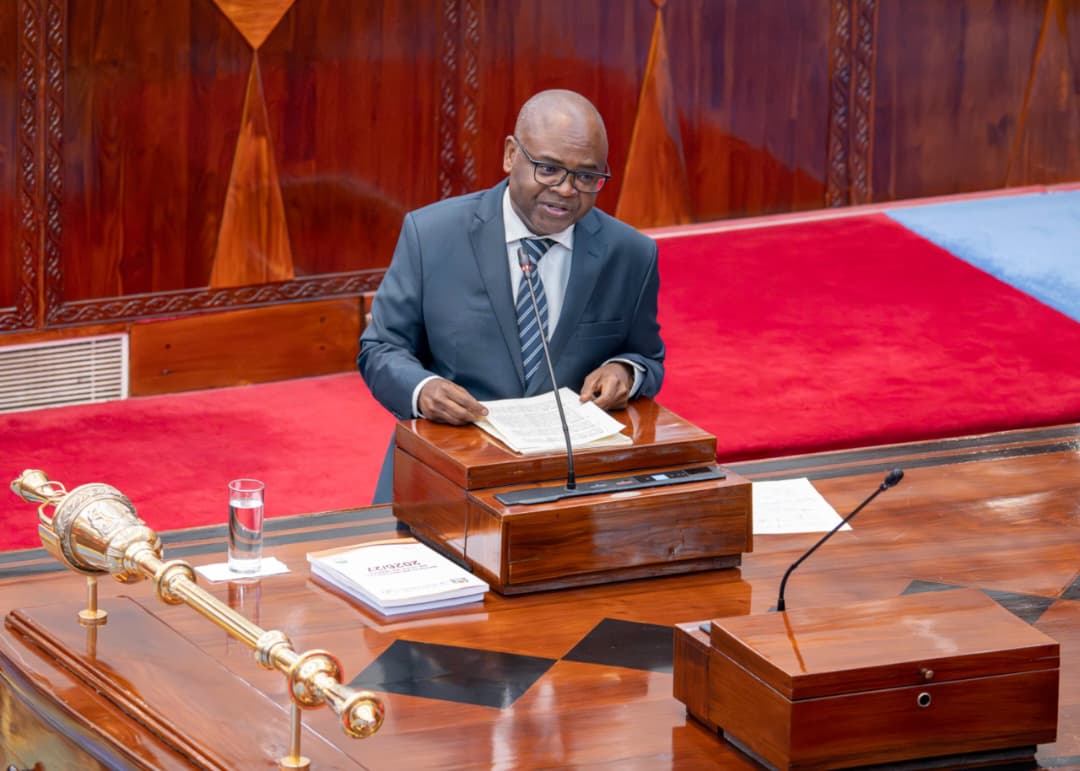
DODOMA: Tanzania’s economy expanded by 5.9 percent in 2025, up from 5.6 percent in 2024, reflecting continued resilience amid global economic uncertainties and geopolitical tensions, Minister of State in the President’s Office (Planning and Investment), Prof Kitila Mkumbo, told Parliament today, June 11, 2026.
Presenting the 2026/27 National Development Plan and the State of the Economy Report, Prof Mkumbo said the country’s Gross Domestic Product (GDP) reached 234.1 tri/- (91.8bn US dollars) in 2025, compared to 212.0tri/- (81.2bn US dollars ) in 2024.
Agriculture remained the largest contributor to the economy, accounting for 24.3 percent of GDP, followed by construction (11.9 percent), mining and quarrying (10.3 percent), trade and repair services (8.6 percent), and transport and storage (8.3 percent).
The fastest-growing sectors were finance and insurance, which expanded by 15.7 percent, followed by electricity and gas (11.8 percent), mining (9.4 percent), information and communication (8.8 percent), arts and entertainment (8.5 percent), and transport and storage (8.0 percent).
Inflation remained stable at an average of 3.3 percent in 2025, within Tanzania’s medium-term target range of 3.0 to 5.0 percent and below regional convergence thresholds for both the East African Community (EAC) and the Southern African Development Community (SADC).
The report also highlighted a strong performance in foreign direct investment (FDI). According to the World Investment Report 2025, FDI inflows into Tanzania increased by 28.3 percent to 1.72bn US dollars in 2024, up from 1.34bn US dollars in 2023. Mining attracted the largest share of investment, followed by finance and insurance, manufacturing, and information and communication technology.
Meanwhile, the Tanzania Investment and Special Economic Zones Authority (TISEZA) registered a record 915 projects in 2025 worth 10.95bn US dollars, surpassing the previous year’s 901 projects valued at 9.3bn US dollars. The projects are expected to generate more than 162,000 jobs across sectors including manufacturing, tourism, transport, construction and agriculture.
Despite the positive economic indicators, the government acknowledged that poverty reduction remains a challenge. Results from the 2025 Household Budget Survey showed that 25.1 percent of Tanzania Mainland still live below the basic needs poverty line, although the figure has steadily declined from 34.4 percent in 2007 and 26.4 percent in 2018.
ALSO READ: 2026/27 BUDGET: What makes it unique
Looking ahead, the government aims to accelerate economic growth to 6.3 percent in 2026 while maintaining inflation within the target range, increasing domestic revenue collection and creating 1.7 million jobs.
Officials said the targets will be supported by continued investment in infrastructure, industrialisation, energy generation and measures designed to strengthen economic resilience amid evolving global conditions.