
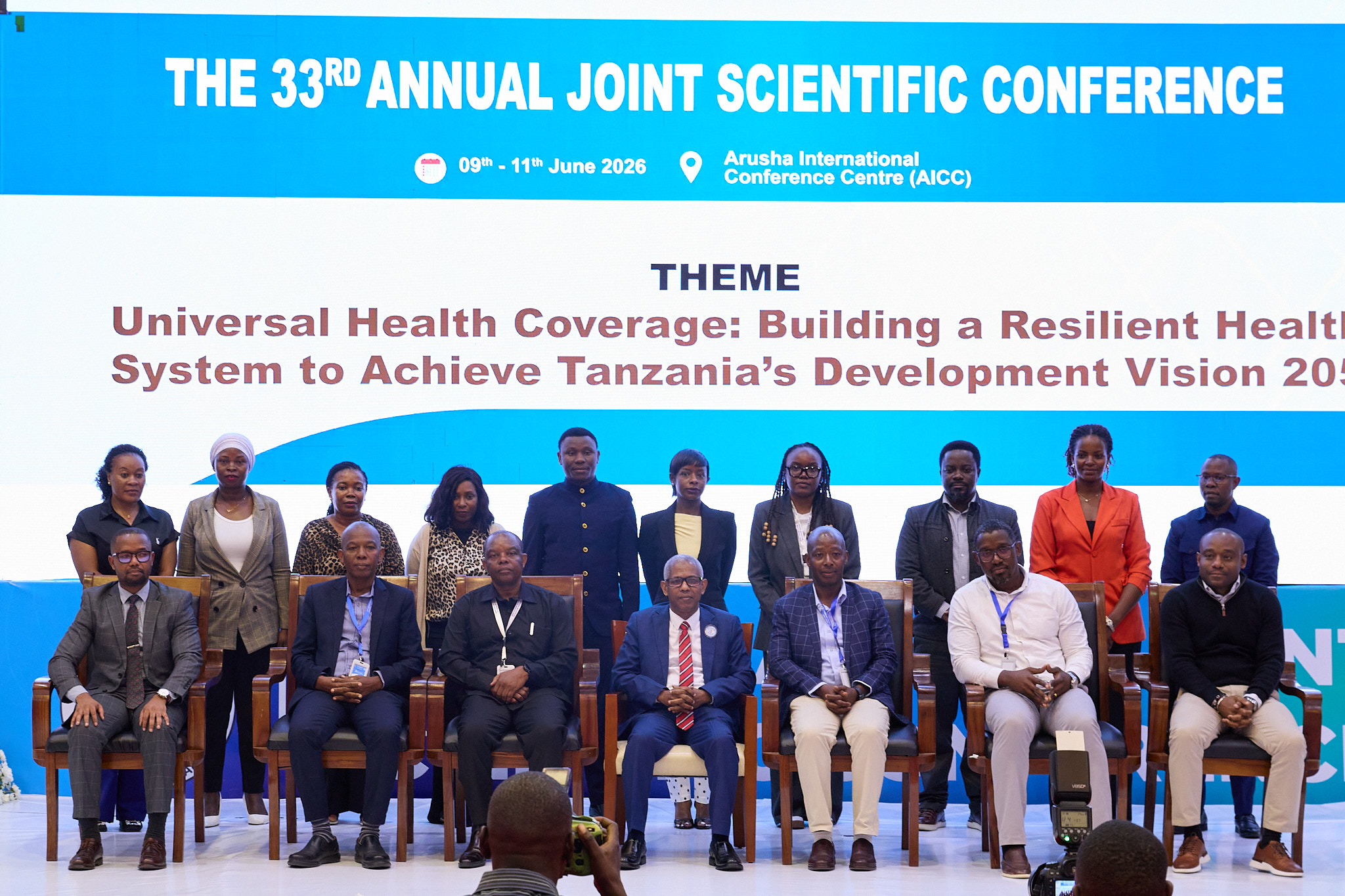
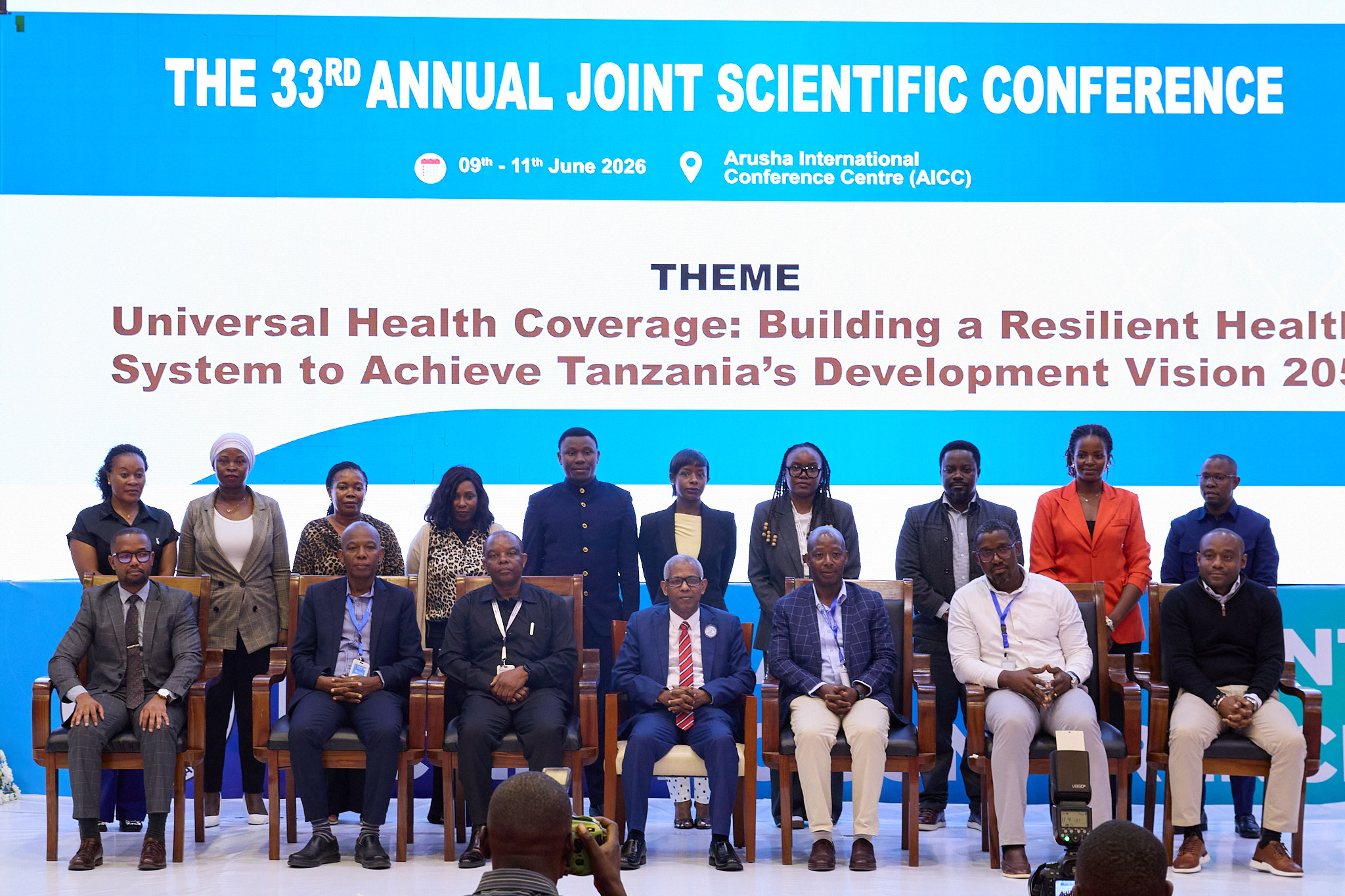
ARUSHA: HEALTH researchers, scientists and other stakeholders have identified Gene Drive Modified Mosquitoes (GDMM) technology as a promising tool that could support Tanzania’s efforts to eliminate malaria and achieve malaria transmission zero.
The remarks were made during the 33rd Joint Annual Scientific Conference organized by the National Institute for Medical Research (NIMR) in Arusha.
The Principal Research Scientist, Transmission Zero Project at the Ifakara Health Institute (IHI), Dr Dickson Lwetoijera said the technology aims to genetically modify mosquitoes so they can no longer carry or transmit malaria parasites.
He emphasized that the goal is not to eliminate mosquitoes but to alter their genetic traits, making them incapable of spreading the disease even when they bite humans.
Dr Lwetoijera explained that the research, which began in 2009 through collaboration between IHI and NIMR under the oversight of the Vice President’s Office–Environment Division, is still at the laboratory stage.
He said environmental release could be considered within the next five to seven years after scientific assessments and regulatory approvals, adding that Ukerewe Island has been identified as a suitable site for future pilot trials.
NIMR Principal Research Scientist, Dr Alphaxard Manjurano said the project is intended to benefit communities and therefore public engagement is essential.
He noted that NIMR’s Mwanza Research Centre has been conducting studies in Ukerewe to assess mosquito species, breeding sites and their role in malaria transmission in preparation for future trials.
ALSO READ: Government urges researchers to find lasting solution to Malaria
For his part, Mr Charles Mwalimu, the Head of Vector Control under the National Malaria Control Programme (NMCP), said scientific research provides critical evidence for determining the most effective malaria interventions in different settings.
He noted that interventions are selected based on local transmission levels, with high-burden areas receiving measures such as insecticide-treated mosquito nets and mosquito breeding site management.