
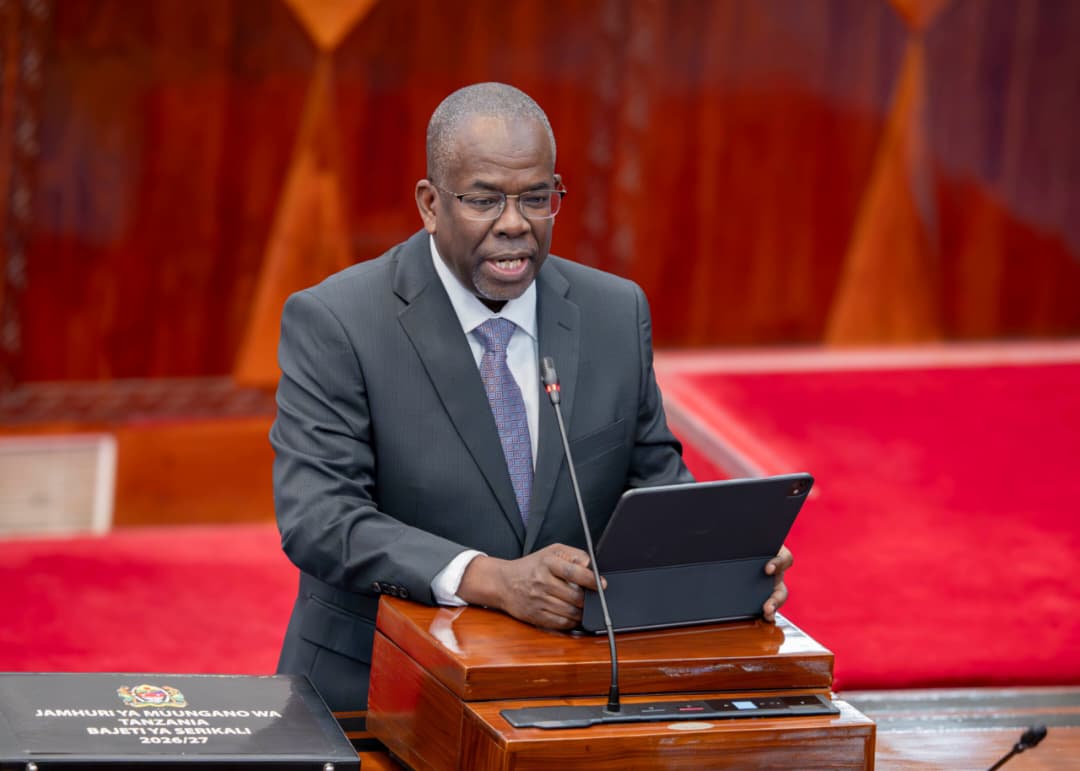
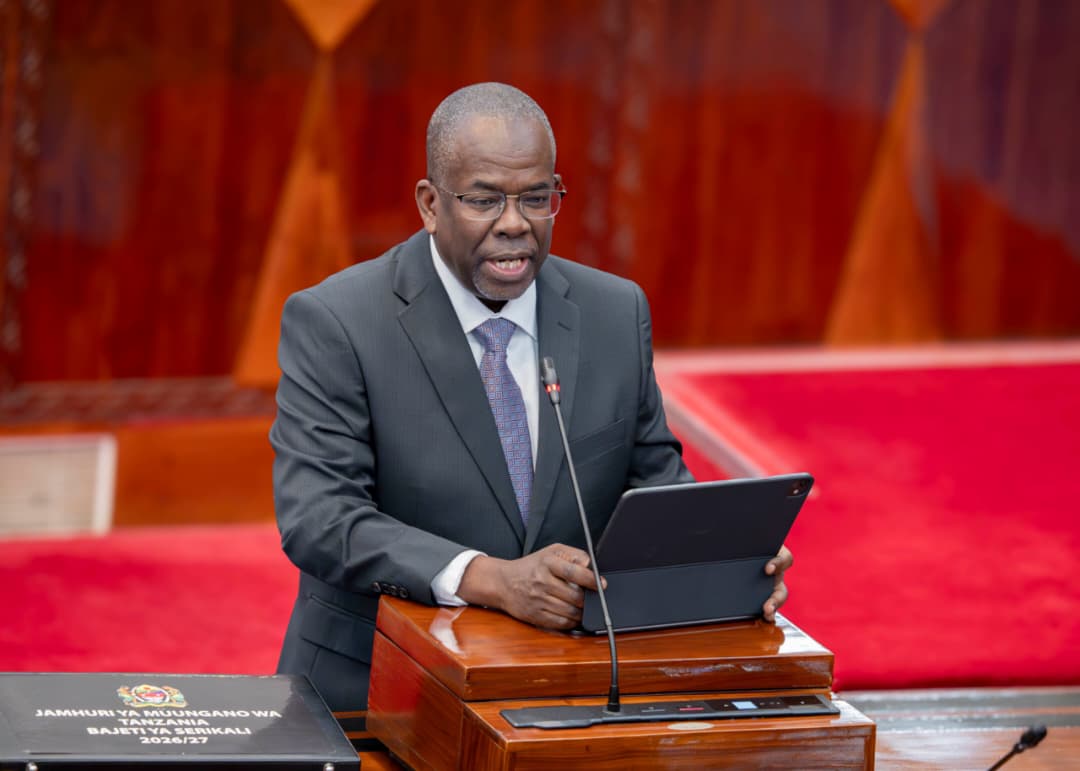
DODOMA: HAVING analysed previous national budgets from 2010 onward and listened to Minister for Finance Ambassador Khamis Mussa Omar’s presentation, tabled before the Speaker of the House and parliamentarians on Thursday, a new chapter in Tanzania’s economic independence is unfolding.
For many years, many African nations, including Tanzania, have depended heavily on external funding—such as aid, concessional loans and other forms of international support. While these resources have greatly supported social programmes and infrastructure development, the persistent challenge remains: how can a country develop a resilient economy capable of financing its own objectives?
Tanzania’s 2026/27 National Budget provides a clear answer to this question. It is built around a key economic shift: moving from reliance on traditional external support to a more robust model centred on domestic resource mobilisation, private-sector expansion, digital transformation, industrial growth, and a broader productive economy.
Critically examining the proposed budget, it doesn’t indicate that Tanzania will immediately cease external financing. Instead, it hints at a strategic shift toward the country increasingly utilising its own economic resources to support development goals.
This approach lays the groundwork for an economy capable of self-sustained growth. This approach’s significance is shown by the government’s efforts to enhance revenue systems, formalise economic activities, and broaden the tax base through reforms powered by technology.
The biggest message from Budget 2026/27 is that Tanzania is seeking to change the source of its development financing from aid dependency to domestic economic strength. Traditional aid-dependent development models face limitations. External assistance is vulnerable to global economic shifts, evolving donor priorities, and international crises. Countries relying heavily on external resources may struggle to plan long-term investments with confidence. Budget 2026/27 adopts a new approach.
According to the presentation, the economy will be the primary driver of development funding. To achieve this, it is essential to increase the number of businesses in the formal sector, enhance tax compliance, and ensure that economic activities contribute to national revenue. A key part of this strategy, according to the tabled budget proposal, involves utilising modern technology in revenue management.
The budget plans to enhance the Tanzania Revenue Authority’s ICT systems, artificial intelligence, big data, and blockchain technology to reduce administrative costs, boost efficiency, improve transparency, and better serve taxpayers.
This is a significant transformation because the future of public finance will increasingly depend on data-driven systems rather than traditional collection approaches. One of Tanzania’s largest economic opportunities currently lies in its informal sector, which is turning millions of entrepreneurs into growth partners.
Millions of Tanzanians operate small businesses, trade informally, and pursue entrepreneurship outside the formal economy. Historically, this has limited their access to finance, restricted their involvement in larger markets, and reduced their contribution to national revenue. The 2026/27 budget aims to address this by introducing incentives to encourage formalisation.
The government proposes an income tax exemption for new businesses for one year from the date of obtaining a Taxpayer Identification Number (TIN). The objective is to reduce the initial burden on emerging businesses and encourage more entrepreneurs to enter the formal economy.
The budget also proposes increasing the share of local government revenues allocated to loans supporting women, youth, and persons with disabilities from 10 per cent to 15 per cent, with part of the additional resources directed toward improving markets, business areas, and entrepreneurial infrastructure. Strategically, this approach is important because economic independence is not created only by large companies. It is created when millions of small businesses grow, employ people, and generate income.
Digitalisation is a key pillar of self-financing economic growth, enabling a digital economy. Its implementation fosters a more transparent and efficient tax system. The 2026-2027 budget’s shift toward a cashless economy signifies a significant structural change. The government recommends that specific payments for services and businesses be carried out via digital channels. Additionally, it suggests making the adoption of digital payment platforms like Lipa Namba a prerequisite for obtaining business licenses.
ALSO READ: ‘Maintaining’ young trees is not a one-day activity
Considering all the proposed initiatives, the move has several economic effects. It first boosts transparency by creating digital records that clarify economic activities and aid tax authorities. Additionally, it reduces the informal economy by encouraging businesses to use official financial channels. Importantly, it also enhances access to financial services, as businesses with digital transaction histories are more likely to obtain formal financing.
The budget also suggests mandating bank accounts for businesses in sectors like minerals, livestock, agriculture, timber and fisheries, to ensure transactions are traceable. This approach is not just about raising revenue; it represents a move towards economic modernisation. The tax reform proposed in the 2026-2027 budget signals an expansion of the revenue base without stifling growth.
Why? A self-financing economy requires a tax system that is efficient, fair and supportive of production. The budget proposes several tax reforms to widen the revenue base while improving compliance. The government expects proposed tax amendments to generate an additional 1.72 tri/- in revenue. However, the true significance of these reforms extends beyond just the extra revenue generated.
It lies in establishing a closer connection between economic activity and government funding. For example, raising the presumptive tax threshold from 100m/- to 200 m/- aims to align tax policies more closely with real business conditions and improve compliance among small and medium-sized enterprises. This adjustment, in my view, recognises that fostering economic growth requires gradually integrating businesses into the tax system, rather than creating barriers that discourage entrepreneurs from formalising.
A country cannot achieve economic independence just by collecting taxes. It must build an economy that boosts output and promotes local production, generating growth through value creation. Budget 2026/27 contains all the ingredients that demonstrate support for local industries through tax measures encouraging domestic production. The continuation of VAT exemption on edible oil produced from locally grown seeds aims to support local production and reduce pressure on consumers.
Similarly, the VAT exemption on clothes and garments made from locally grown cotton aims to boost the use of Tanzanian cotton and strengthen the textile sector. This benefit is particularly tied to the expected increase in cotton production resulting from the use of the new organic fertiliser, Navyakosh. Already, Navyakosh has demonstrated notable improvements in cotton grown in the lake zone, especially in villages like Mwamondi in the Dutwa Ward, Simiyu Region.
This approach reflects a fundamental economic principle: a nation’s primary revenue source is not solely taxation but a flourishing, productive economy. Increased agricultural production drives industrial expansion, raises worker incomes, and supports business growth, all of which help build a broader and more sustainable revenue base for the government. A self-financing economy needs investments that boost confidence in investment and business, thereby attracting capital through reform.
Domestic resources alone cannot meet every development need, which means Tanzania must remain attractive to both local and international investors.
The budget reforms aim to streamline regulations and strengthen the governmentbusiness relationship. By integrating systems in the revenue administration, compliance becomes easier, data sharing improves, and unnecessary taxpayer-government interactions are minimised. These changes will enhance Tanzania’s competitiveness by decreasing the cost of doing business.
The main highlight of Budget 2026/27 is its change in development focus. It now emphasises a broader economic transformation, transitioning from simply seeking support to enhancing internal capacity. The previous question was, “How much support can Tanzania get from outside?” but the new focus is on, “How much economic value can Tanzania generate internally?” A country that formalises businesses, expands its production, adopts digital finance, enhances tax administration, and supports entrepreneurs sets the groundwork for long-term independence. This approach leads toward an economy capable of funding its own future, as demonstrated by Tanzania’s self-financing revolution.
This revolution is becoming evident in the proposed 2026/27 budget and indicates a shift in the growth paradigm. Tanzania’s 2026/27 budget is a strategic move to boost the economy by prioritising increased domestic funding for national goals and promoting economic growth as a driver for future development. However, the shift away from heavy reliance on traditional aid will not be achieved within a single budget cycle.
It will need ongoing reforms, stronger institutions and more efficient use of public resources. In my opinion, 2026-2027 establishes a foundation, with the independence budget clearly showing how Tanzania is transforming internal resources into economic strength and offering a clear direction.
Overall, Tanzania is setting the stage for a more selfreliant economy by expanding the formal sector, improving revenue collection, backing local manufacturing, and adopting technology. The goal isn’t just to cover a single year’s budget but to create a nation that can sustain its own future through productivity, innovation, and entrepreneurship.