

TANGA: MINISTER for Community Development, Gender, Women and Special Groups, Dr Dorothy Gwajima has said nation’s future depends on how children are brought up, urging parents and guardians to play a more active role in nurturing responsible and morally grounded citizens.
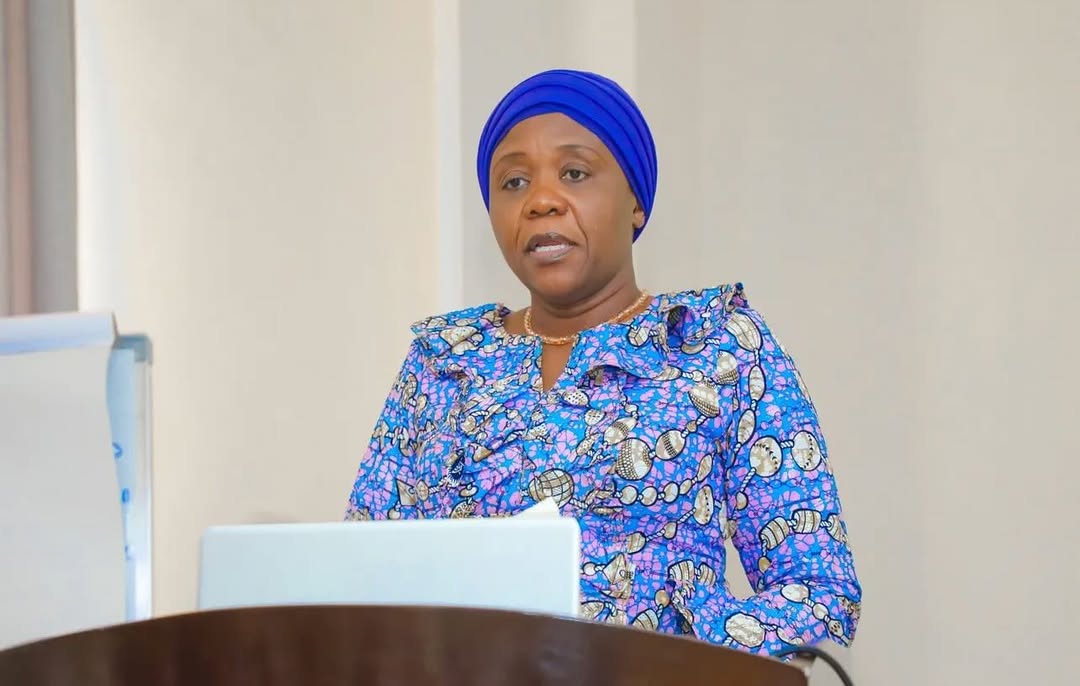
Speaking at the closing ceremony of the month-long National Campaign on Ethics and Positive Parenting in Tanga, the minister, whose speech was delivered by Tanga Regional Commissioner Dr Batilda Burian, said parents and guardians must not surrender their responsibilities to smartphones and social media.
“The future of our nation begins at home,” Dr Gwajima said. “The responsibility of raising a child cannot be delegated to mobile phones or social media.” She expressed concern over the growing influence of digital technologies on children, warning that unsupervised access to the internet has exposed many young people to cyberbullying, online exploitation and content that undermines moral values.
ALSO READ: PSSSF urges early submission of retirement
Citing findings from a 2022 Government-UNICEF study, Dr Gwajima said 67 per cent of Tanzanian children aged between 12 and 17 use social media, with many facing online threats and other risks.
She said that scientific studies indicate that more than 90 per cent of brain development occurs between pregnancy and the age of eight, underscoring the importance of early parental care and guidance.
“Children need more than food, clothing and school fees. They need love, protection, encouragement and meaningful conversations with their parents and guardians,” she said.
Dr Gwajima said the campaign, launched in Handeni District on May 24 under the theme “A Child is the Product of Upbringing: The Foundation of a Strong Family for a Strong Nation,” reached all 26 regions of Mainland Tanzania, promoting positive parenting, child protection and family values.
She said the government has strengthened child protection systems through the expansion of Gender and Children’s Desks at police stations, establishment of child protection committees and safe houses, and community based welfare structures.
Between July 2025 and April 2026, more than 400,000 parents and guardians received training on positive parenting. Dr Gwajima directed regional and district authorities, community development officers and social welfare officers to continue promoting positive parenting beyond the campaign period.
She also called on religious leaders and the media to play a greater role in strengthening family values and protecting children. Religious leader Sheikh Zubeir Mohammed warned that uncontrolled exposure to modern digital technologies has contributed to declining moral standards among children and called for intensified religious education.
“Instilling the fear of God among children can help address the growing erosion of moral values in society,” he said. Executive Director of Tangabased Gift of Hope Foundation, Said Bandawe, said drug abuse is increasingly contributing to moral decline among children and young people.
“We do not approach them as criminals. We approach them as people who need support. Many want to quit, but stigma and fear hold them back,” Mr Bandawe said.
He said the foundation, which helped organise the campaign under the Focus on Youth, Not Substance project supported by Foundation Botnar, provides counselling, rehabilitation and psychosocial support services to vulnerable young people in collaboration with families, health facilities and law enforcement agencies.