
NIGERIA: As Africa’s energy conversation becomes increasingly urgent, the quality of storytelling around access, investment, infrastructure, and sustainability has never mattered more.
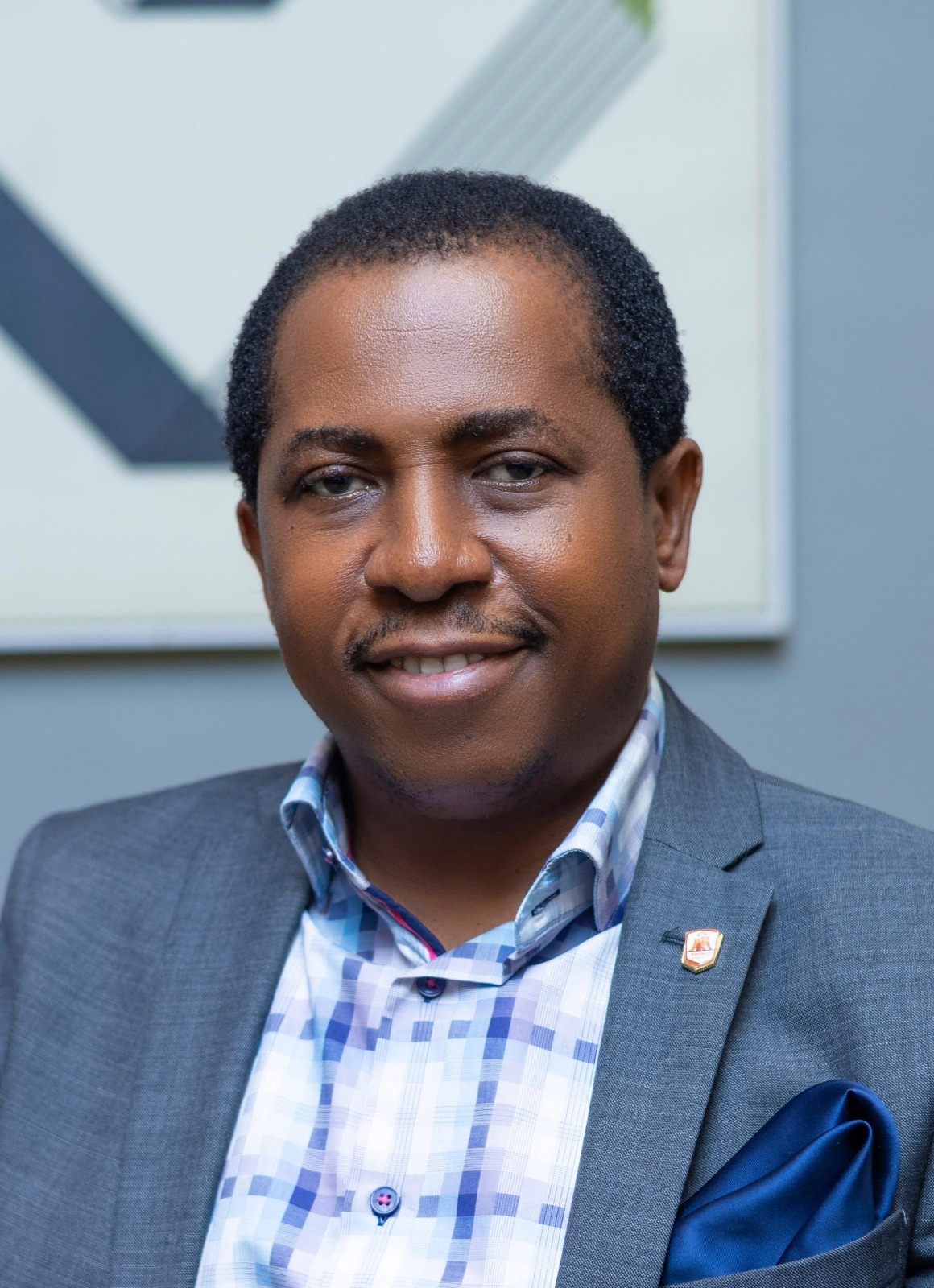
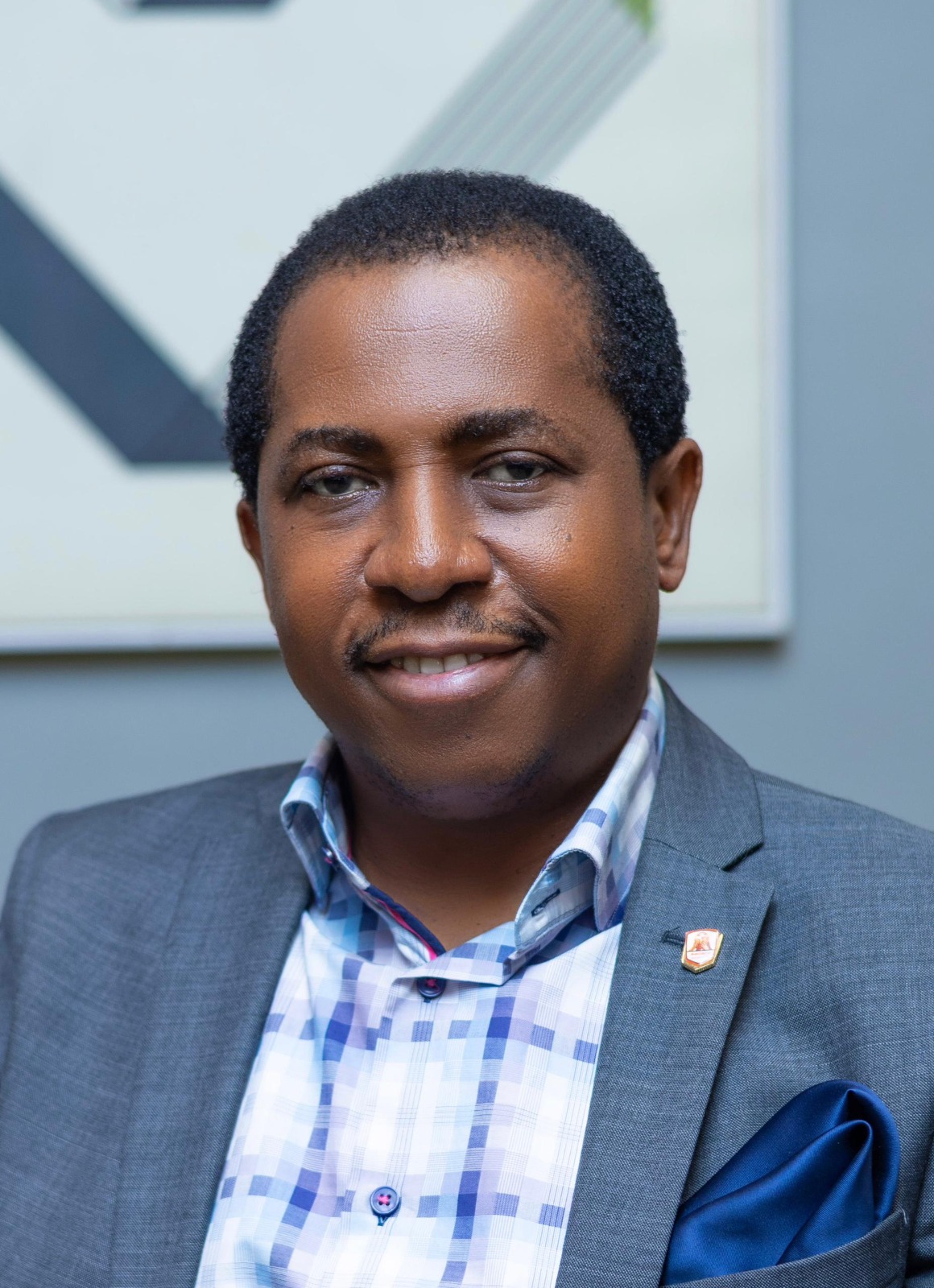
In this interview, Bethel Obioma, Sahara Group’s Head of Communications explains the thinking behind the Asharami Square Energy Reporting Fellowship, a new initiative designed to empower journalists across the continent to tell deeper, evidence-based stories that spotlight critical energy issues and help shape practical solutions for Africa’s energy future.
Q: What makes the Asharami Square Energy Reporting Fellowship different from other journalism awards or reporting competitions?
For us at Sahara Group, the fellowship goes beyond recognition for excellence in Africa’s energy journalism landscape. While excellence in reporting is celebrated, the programme is primarily designed as a capacity-building and knowledge-sharing platform.
Participants gain access to industry experts, mentorship opportunities, practical learning experiences, and exposure to key developments across Africa’s energy landscape.
ALSO READ: Government urges responsible journalism
The objective is not only to reward impactful journalism but also to equip journalists with the knowledge, networks, and perspectives needed to consistently produce high-quality reporting that contributes to informed public discourse.
Q: Why is energy reporting important for Africa’s development?
Energy sits at the centre of economic and social development. It affects everything from industrialisation and job creation to healthcare, agriculture, education, and digital inclusion.
However, many energy-related issues are often misunderstood or oversimplified. Quality journalism can help citizens, policymakers, investors, and businesses better understand opportunities, challenges, and emerging solutions. Strong reporting also promotes accountability, transparency, and informed decision-making across the energy value chain.
Q: Does the fellowship focus only on renewable energy and sustainability?
Our approach is one that encourages reporting across the value chain. The fellowship embraces Africa’s diverse energy realities and encourages reporting across the full spectrum of the energy ecosystem. This includes renewable energy, conventional energy resources, energy transition pathways, energy infrastructure, innovation, power generation, distribution, financing, policy, technology, and environmental sustainability. The emphasis is on balanced, factual, and solution-oriented reporting that reflects the complexities of Africa’s energy journey.
Q: How will entries be sent and can collaborative or team-produced stories be submitted?
All entries must be submitted via the Fellowship portal www.asharamisquarefellowsip.com. The portal has all the information needed to guide prospective Fellowship applicants. Enties should be stories published or broadcast between January and October 2026. The portal will be closed on October 30, 2026.
The fellowship recognises that many impactful stories are developed through collaborative efforts. Journalists are encouraged to review the submission guidelines for information regarding co-authored or team-produced work. Where collaboration is involved, applicants should clearly identify their individual contributions and roles in the reporting process.
Q: How will entries be evaluated?
Entries will be assessed against several criteria, including originality, relevance, evidence-based reporting, depth of research, quality of storytelling, accuracy, public interest value, and potential impact. Attention will be given to stories that provide context, highlight practical solutions, and help shape meaningful conversations around Africa’s energy future.
Q: Who will serve on the judging panel?This is an important aspect of the initiative for us as we are keen on ensuring only the best entries get recognised and celebrated. Entries will be reviewed by an independent panel comprising respected professionals from journalism, academia, the energy sector, sustainability, and development-related fields.
The diversity of expertise is intended to ensure fairness, credibility, and a well-rounded evaluation process that balances journalistic excellence with subject-matter relevance.
Q: Is this fellowship connected to Sahara Group’s Beyond XXX vision?
There is a clear connection seeing that Beyond XXX is the driving force behind Sahara Group’s future aspirations having operated as a foremost African rooted and global energy and infrastructure conglomerate over the past three decades.
The fellowship aligns with Sahara Group’s Beyond XXX vision, a forward-looking commitment to advancing sustainable development, innovation, impact, and transformative leadership.
By strengthening the quality of energy journalism, the fellowship contributes to shaping conversations and solutions that can support Africa’s progress well into the future.
Q: What skills and experiences will fellows gain from the programme?
Participants will have opportunities to deepen their understanding of complex energy issues, strengthen investigative and analytical reporting skills, improve data storytelling capabilities, engage with industry leaders, and expand their professional networks.
The fellowship is designed to help journalists become more confident and effective storytellers on issues that influence development outcomes across Africa.
Q: Why does the fellowship place such emphasis on solutions-oriented reporting?
While identifying challenges is important, progress often comes from understanding what is working and why. Solutions-oriented reporting helps audiences move beyond problems by highlighting innovations, policies, technologies, community initiatives, and business models that are delivering measurable results.
This approach encourages constructive dialogue and broadens public understanding of pathways to sustainable development.
Q: What role can journalists play in accelerating Africa’s energy transition?
Journalists play a critical role in translating complex issues into accessible information. Through rigorous reporting, they can help bridge knowledge gaps, elevate diverse perspectives, promote informed public engagement, and ensure that important energy conversations remain visible.
By providing accurate and contextual reporting, journalists contribute to an enabling environment for dialogue, innovation, and responsible decision-making.
Q: Does Sahara Group influence the editorial direction of stories submitted to the fellowship?
Absolutely not. Editorial independence remains a fundamental principle of quality journalism. The fellowship seeks to encourage rigorous, credible reporting and does not prescribe how stories should be framed. Journalists are expected to uphold professional standards, pursue evidence-based reporting, and maintain editorial integrity throughout their work.
Q: How does the fellowship contribute to strengthening the African media ecosystem?
The fellowship seeks to build a growing network of journalists who possess deeper knowledge of energy, sustainability, and development issues. Over time, this community can contribute to stronger reporting standards, richer public conversations, greater cross-border collaboration, and a more informed understanding of the opportunities and challenges shaping Africa’s future.
Q: What message does Sahara Group hope applicants take away from this initiative?
Sahara Group hopes journalists see the fellowship as an opportunity to help shape the future through storytelling. Every well-researched story has the potential to influence perception, spark innovation, inform policy, attract investment, and inspire action.
Through the fellowship, Sahara Group is reaffirming its belief that credible journalism remains one of the most powerful tools for driving positive change across Africa.