
DAR ES SALAAM: TANZANIA has strengthened its capacity to diagnose and manage non-communicable diseases, including cancer, through major investments in modern laboratories and medical equipment, the government has said.
The government has installed 700 Digital X-Ray machines and 97 CT Scan machines across health facilities in the country as part of efforts to improve early detection and access to specialised healthcare services.
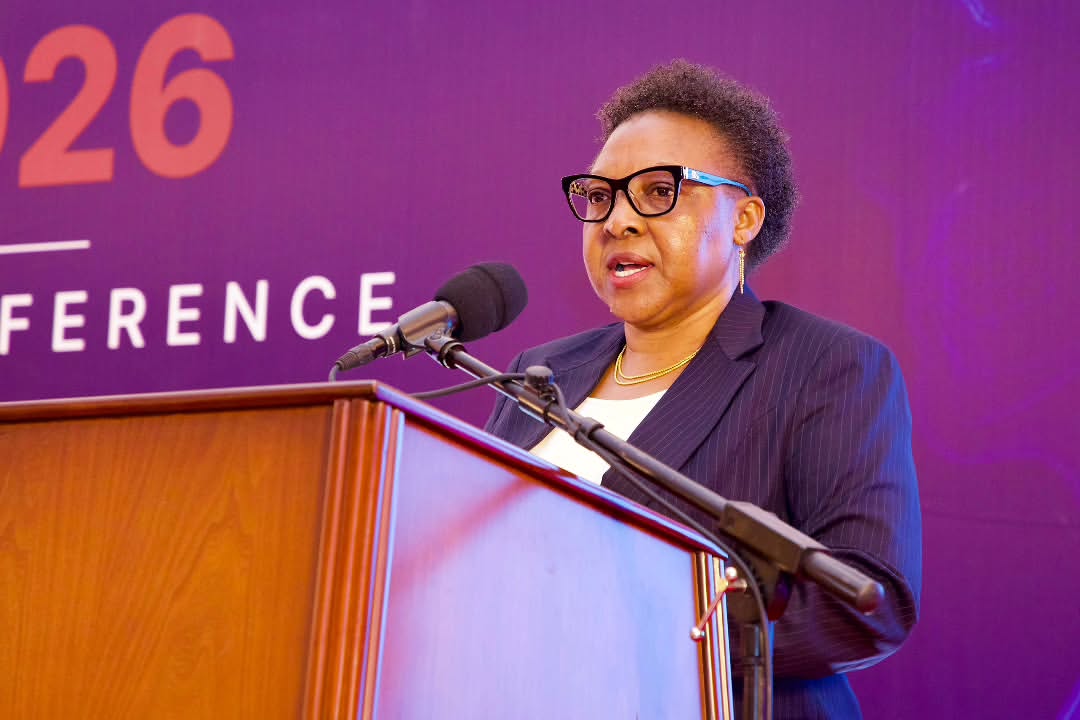
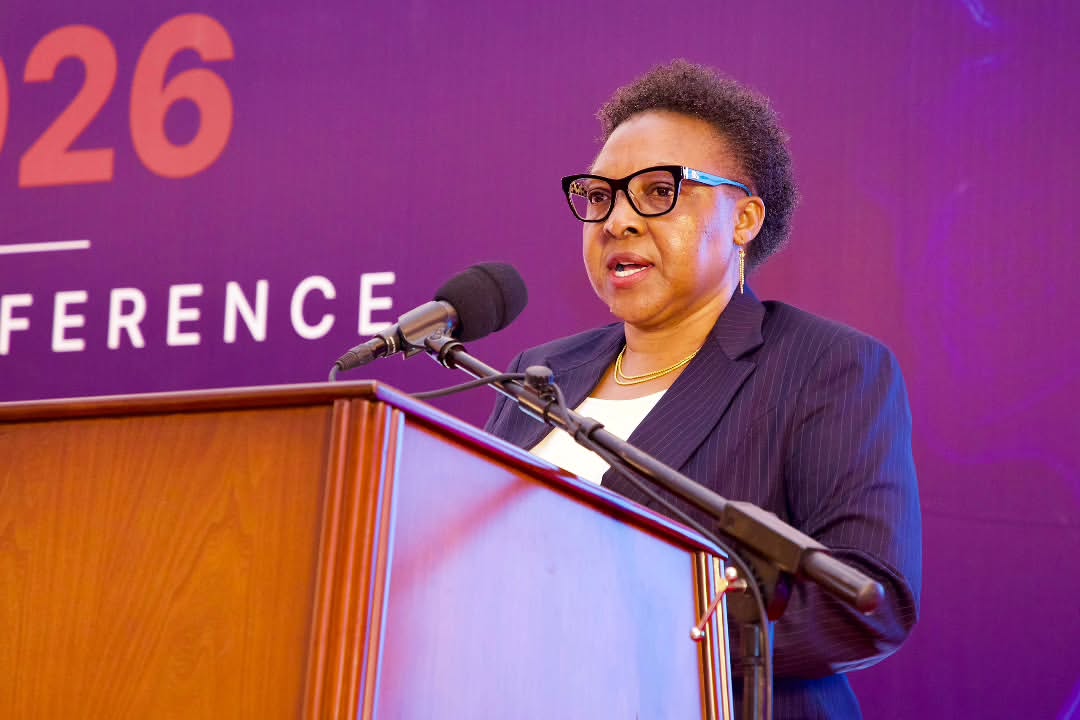
Speaking during the opening of the International Conference of the Society of Neuro-Oncology of Sub-Saharan Africa (SNOSSA 2026) in Dar es Salaam today, Deputy Minister for Health Dr Florence Samizi said the investments reflect the government’s commitment to improving cancer care and reducing deaths associated with late diagnosis.
Additionally, she said Tanzania has reached another milestone in cancer diagnosis following the installation of an advanced PET-CT machine with a Cyclotron at the Ocean Road Cancer Institute (ORCI), which has enhanced the country’s ability to detect cancer at early stages, plan treatment accurately and monitor patients’ progress.
“These developments have significantly improved our ability to provide timely and effective cancer services to patients,” Dr Samizi said.
According to the deputy minister, cancer remains a major health challenge, with data from GLOBOCAN 2022 showing that Tanzania records approximately 45,000 new cancer cases annually, while about 29,000 people die from the disease every year.
She said more than 70 per cent of cancer cases are diagnosed at advanced stages, making treatment more difficult and reducing patients’ chances of recovery.
Elaborating, she noted that brain and spinal cord cancers require highly specialised expertise despite affecting fewer people compared with other forms of cancer. Tanzania records approximately 198 new cases and 166 deaths from brain and spinal cord cancer annually.
ALSO READ: Tanzania unveils five priorities in bolstering specialized care for brain and spine patients
The Deputy Minister said the government is also investing in developing skilled health professionals to address the shortage of specialists in neurology and oncology.
Furthermore, Dr Samizi said the Dr Samia Suluhu Hassan Scholarship Programme has already supported more than 6,000 health workers pursuing specialised training in various medical fields, contributing to the expansion of the country’s specialist workforce.
Dr Samizi said the SNOSSA conference comes at an important time as it provides a platform for experts from Tanzania, Africa and beyond to exchange knowledge, share innovations and strengthen cooperation in improving diagnosis, treatment and management of brain and spinal cord cancers.