
DAR ES SALAAM: Education is widely recognized as one of the most powerful tools for transforming lives, reducing poverty and promoting sustainable national development. Beyond equipping children with knowledge and skills, schools are expected to provide an environment where every learner feels safe, respected and supported to reach their full potential.
According to the United Nations Educational, Scientific and Cultural Organization (UNESCO), nearly one in three students worldwide has experienced bullying at school, while millions more are exposed to physical violence, sexual abuse, discrimination and other forms of intimidation that negatively affect their learning and well-being.
The United Nations Children’s Fund (UNICEF) also estimates that around half of school-age children globally live in countries where corporal punishment in schools is not fully prohibited, leaving many learners vulnerable to violence and fear.
However, the quality of education cannot be measured only by academic performance or the availability of classrooms and learning materials. It also depends on whether children are protected from violence, bullying, discrimination, harassment and other forms of abuse that interfere with their ability to learn. In recent years, growing attention has been given to the importance of safe learning environments as an essential component of quality education.
ALSO READ: How Tanzania’s nickel strategy could transform global clean energy supply chains
Research has consistently shown that children who feel secure at school are more likely to attend classes regularly, participate actively in learning, develop confidence and achieve better educational outcomes.
On the other hand, learners who experience fear, intimidation or violence often suffer from poor academic performance, absenteeism and psychological distress, with some dropping out of school altogether. Recognizing these challenges, education stakeholders in Tanzania have intensified efforts to strengthen child protection systems and promote schools that are safe, inclusive and child-friendly.
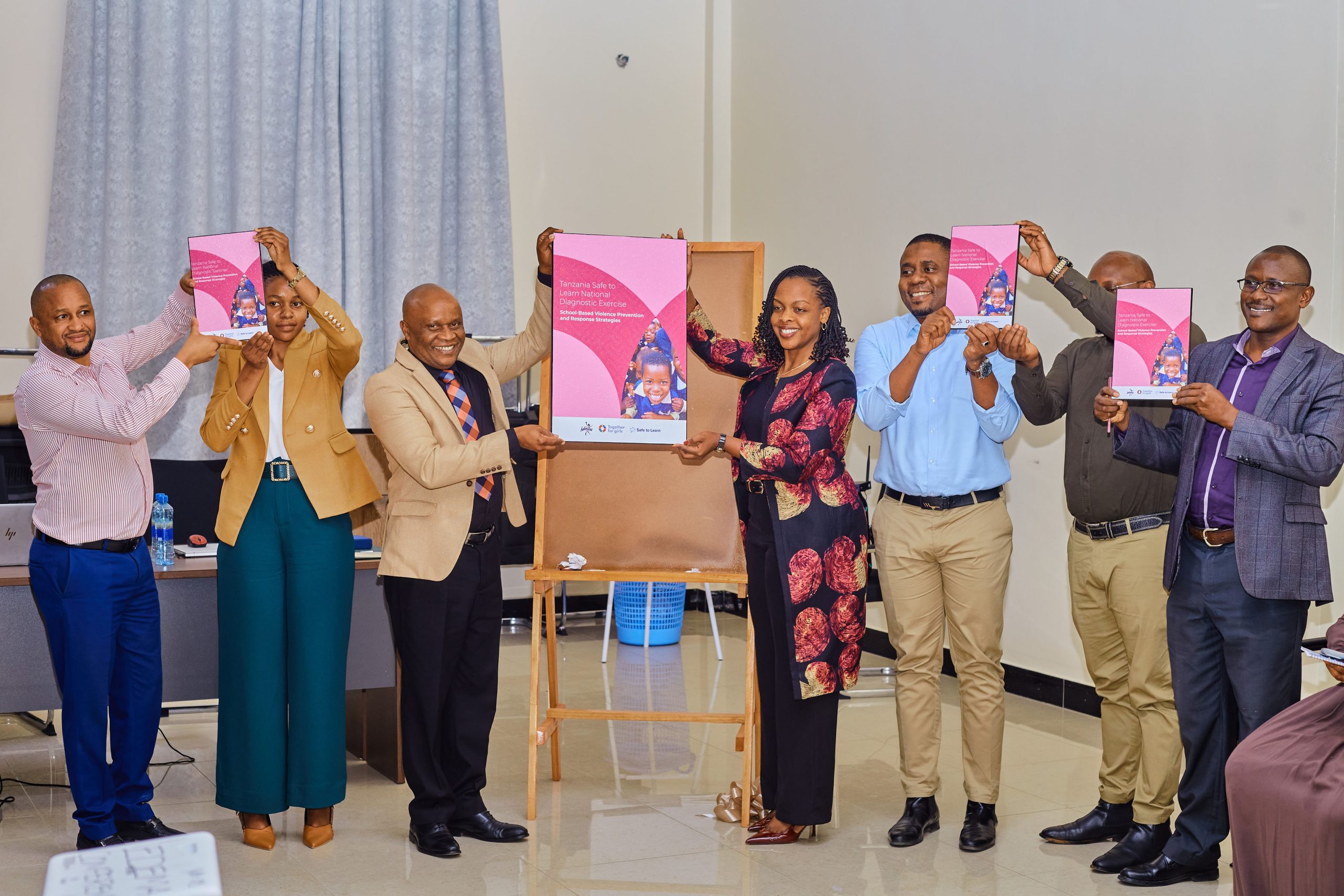
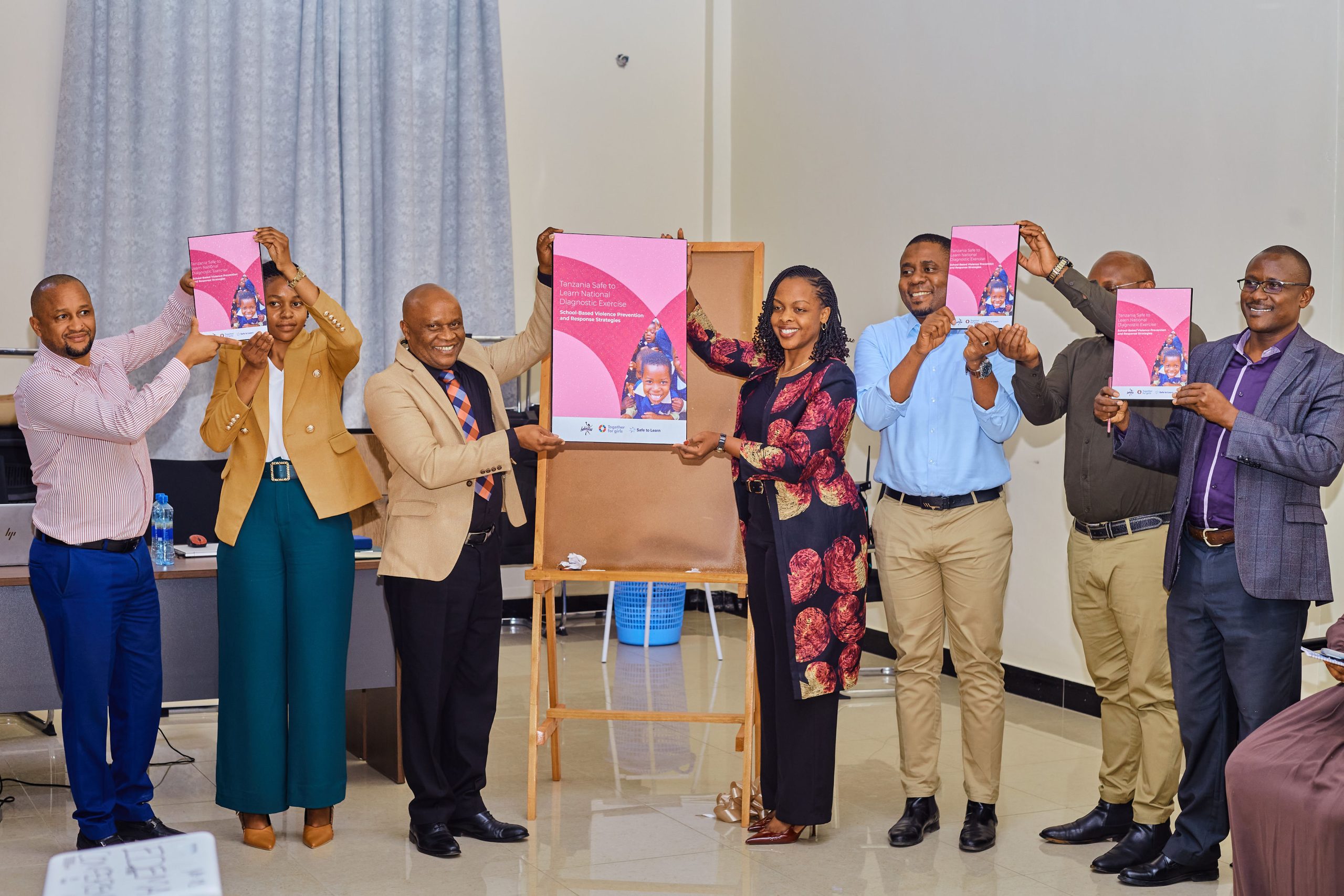
It is against this backdrop that HakiElimu, in collaboration with other stakeholders, launched the Safe Learning Assessment in Tanzania, a study aimed at generating evidence on the state of safety in schools and identifying practical measures to ensure that every child can learn in an environment free from fear, violence and discrimination.
Speaking during the launch of the safe learning assessment in Tanzania, organized by HakiElimu and another stake holders, The Head of Programmer’s at HakiElimu Godfrey Boniventura explain that, when a child is in a safe environment, they learn with confidence, attend school with peace of mind, actively participate in class, ask questions, develop their talents, and build positive relationships with teachers and fellow students.
However, when a child experiences violence, intimidation, humiliation, discrimination, or abuse, their ability to learn is directly affected.
He mentioned that, “At HakiElimu, we emphasize that a child’s right to education cannot be separated from their right to safety. Schools should be places of hope, not fear places of care, not pain and places that nurture children rather than break their spirit,” He echoed that, in addressing violence and strengthening safety in schools, HakiElimu has been working closely with various stakeholders, including the Government, civil society organizations, teachers, parents, and students.
“Among these efforts is our participation in the Safe School Coalition, a network of 22 member organizations working together to advance the agenda of safe schools and prevent violence against children,” he emphasized Boniventura mentioned that, “We also participate in the Coalition of Good Schools (CoGS), which promotes the concept of quality, safe, and child-friendly schools.
We believe that a good school is not defined only by its buildings, but by its ability to protect children, listen to their voices, and enable them to learn without fear,” He analyzed that, in addition, HakiElimu has supported the installation of suggestion boxes in 123 schools, providing children with a safe and confidential channel to report incidents of violence and make their voices heard.
ALSO READ: ROAD TO 2027 AFCON: Road construction on course
He said, the research we are launching today comes at a timely moment. It provides evidence on the extent to which students are learning in safe environments.
“The findings remind us that the challenges surrounding school safety require evidence-based action, strong collaboration, and collective commitment,” Boniventura explained He thanked that, “HakiElimu would like to express its sincere appreciation to the Together for Girls organization for generously funding this important research,” Boniventura concluded that, “We also extend our gratitude to the Government for its participation throughout the various stages of the study.
This collaboration has made it possible to generate valuable evidence on the state of safe learning environments in our schools,” To his part the University Dar es Salaam senior lecture Dr Hezron Onditi said that, the stronger and more coordinated child protection systems is to ensure that every child can learn in a safe, supportive and inclusive environment.
He stressed the need to review existing education laws and policies so that they are fully aligned with international child rights and protection standards.
According to him, strengthening legal and policy frameworks would help create schools where children are protected from all forms of violence, abuse and exploitation.
He further emphasized that, “The importance of enhancing the capacity of local government authorities to effectively implement child protection measures at the community and school levels,” Dr Onditi explained that, “This should include the establishing functional child protection structures in every school, with trained teachers who can identify and respond to cases of abuse, accessible counselling and psychosocial support services, and reliable reporting and referral mechanisms that encourage children to report incidents without fear of stigma or retaliation,”
Dr. Onditi also raised concerns over the growing risks associated with the increased use of digital technologies among children. He warned that cyberbullying, online sexual harassment, exploitation and other forms of unsafe online behaviour are becoming serious threats to children’s safety and well-being. To address these challenges.
He called for more research to better understand the nature and extent of online risks facing children, while urging the government, schools, parents, technology companies and other stakeholders to strengthen online safety measures, promote digital literacy and ensure that children are protected both inside and outside the classroom.
For her part, the National Coordinator of the Safe Schools Programme, Dr. Theresia Kuiwite, emphasized that creating safe learning environments requires the collective efforts of government institutions, schools, parents, communities and development partners. She said that children can only achieve their full academic and personal potential when they feel protected, respected and supported throughout their educational journey.
Dr. Kuiwite noted that, “School safety goes beyond protecting children from physical violence and also includes safeguarding them from emotional abuse, bullying, discrimination, sexual harassment and other forms of violence that negatively affect their well-being and academic performance,” She encouraged schools to strengthen child protection policies, establish effective reporting mechanisms and ensure that every child has access to guidance and counselling services.
She also urged that, “Parents and guardians to work closely with teachers in identifying and addressing child protection concerns at an early stage, stressing that children thrive when families and schools collaborate,” Furthermore, she called on communities to speak out against violence and create an environment where children’s rights are respected and protected.
According to Dr. Kuiwite, investing in safe schools is an investment in the country’s future, as it enables children to learn confidently, develop their talents and grow into responsible and productive citizens.