
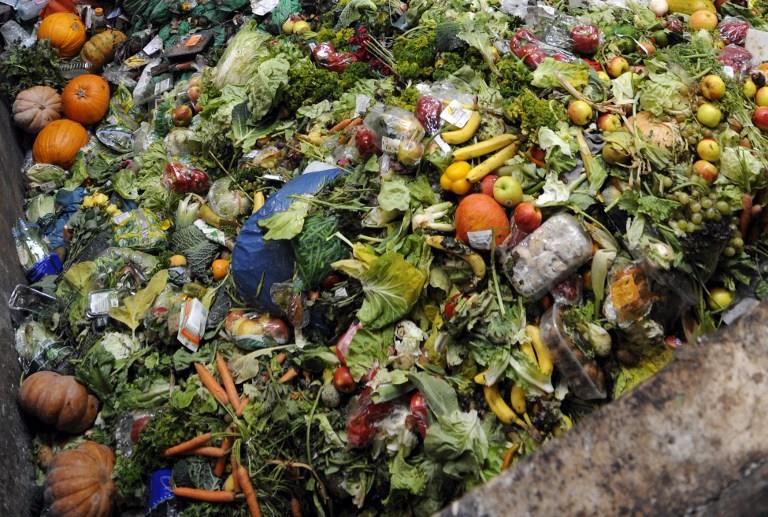

DAR ES SALAAM: EVERY day, thousands of households prepare meals with one purpose: To nourish their families. Breakfast fuels children before school, lunch sustains busy afternoons and dinner brings loved ones together at the end of the day.
Yet once the meals are over, leftovers often remain on plates, in cooking pots, or inside refrigerators, where they are forgotten until they spoil. Eventually, these once valuable food items are discarded and become part of the growing stream of household waste.
Although this habit may appear harmless, household food waste carries significant economic, social and environmental consequences that many families overlook. Every portion of edible food thrown away represents not only a missed opportunity to feed someone but also wasted money, squandered natural resources and an unnecessary burden on waste management systems.
Food waste begins long before it reaches the rubbish bin. Every grain of rice, slice of bread, vegetable, or piece of meat has already required considerable investment. Households spend hardearned money to buy food, transport it home, store it safely, and prepare it for consumption.
When edible food is discarded, those financial investments are lost together with the food itself. In many urban households, food waste has quietly become routine. Families often prepare more food than they can consume, buy groceries beyond their actual needs, or fail to store perishable items properly.
Fresh produce spoils before it is used, cooked meals remain untouched until they become unsafe to eat, and packaged products expire in cupboards. While a single wasted meal may seem insignificant, the cumulative impact over months and years is substantial.
A household that wastes only a small amount of food every week can lose hundreds of thousands of Tanzanian shillings over a year. That money could instead pay school fees, cover medical expenses, settle utility bills, or support small household investments. For low- and middle-income families already facing rising food prices and living costs, these avoidable losses place unnecessary strain on limited budgets.
Ironically, many households complain about the high cost of food while unknowingly wasting part of what they purchase. Research consistently shows that households are among the largest contributors to food waste, particularly in urban areas where busy lifestyles, supermarket shopping, impulse buying, promotional offers and limited meal planning encourage over-purchasing.
The financial impact of food waste extends beyond individual households. Every kilogramme of discarded food adds to the amount of waste that municipalities must collect, transport and dispose of.
In cities where waste management systems are already under pressure, increasing food waste raises operational costs and creates additional challenges. Where households pay directly for waste collection, larger volumes of rubbish may lead to higher fees. Even where waste management is publicly funded, taxpayers ultimately bear the cost.
ALSO READ: When homegrown contractors are building Tanzania’s future
In effect, households often pay twice: first for food that is never eaten, and again for managing the waste it creates. Food waste also has serious environmental consequences. When discarded food decomposes in landfills or illegal dumping sites, it releases methane, a potent greenhouse gas that contributes significantly to climate change.
Globally, food waste is estimated to account for between 8 and 10 per cent of greenhouse gas emissions. Every avoidable meal thrown away therefore contributes to global warming. Improperly managed food waste also creates public health concerns.
Decomposing food attracts rodents, flies and other disease-carrying pests, increasing health risks while creating unpleasant living conditions in surrounding communities. Beyond its financial and environmental costs, every wasted meal represents wasted natural resources.
Producing food requires land, water, energy, fertilisers, labour, machinery and transportation. Farmers invest months of effort cultivating crops and raising livestock before food reaches consumers. When that food is discarded without being eaten, all these valuable resources have been used without delivering their intended benefit. This issue is particularly important where agriculture depends on scarce resources.
Water shortages, limited arable land and rising production costs already place significant pressure on food systems. Wasting food undermines efforts to strengthen food security, conserve resources and promote sustainable development.
Some households recover part of this loss by feeding scraps to livestock such as chickens, ducks, pigs, or dogs, allowing leftovers to contribute to the production of meat or eggs. However, this practice is becoming less common, especially in urban areas where limited space, changing lifestyles and local regulations restrict backyard livestock keeping.
Consequently, most household food waste has no productive use and ends up in bins, collection points, or illegal dumping sites. Fortunately, reducing household food waste does not require expensive technology or major lifestyle changes. It begins with simple, practical habits that every household can adopt.
Meal planning is one of the most effective strategies. Before shopping, families should prepare lists based on actual household needs and planned meals.
Sticking to those lists reduces impulse purchases and discourages buying excessive quantities simply because products are discounted or sold in bulk. Buying only what is needed greatly reduces the likelihood of food spoiling before it is consumed.
Cooking appropriate portions is equally important. Preparing only the amount needed for household members helps minimise leftovers while ensuring meals remain fresh.
When leftovers cannot be avoided, they should be refrigerated promptly, stored safely, and eaten within a reasonable period rather than forgotten until they spoil. Ideally, households should use existing leftovers before preparing new meals, improving food management and reducing unnecessary waste. Proper food storage also extends shelf life and preserves quality.
ALSO READ: Lights, camera, no lunch allowance: AI boards the Tazara train
Fruits, vegetables, dairy products, and cooked meals all require suitable storage conditions to remain safe and fresh. Consumers should also check shelf life and “best before” dates before purchasing packaged foods, particularly if they will not be consumed immediately. Choosing products with sufficient remaining shelf life helps reduce spoilage at home.
Individual efforts, however, must be supported by broader public awareness. Schools, local governments, community organisations, and the media all have important roles in educating the public about the economic, social and environmental costs of food waste.
Awareness campaigns can encourage responsible consumption, improve household food management and promote greater appreciation of food as a valuable resource. It is contradictory for households to experience food insecurity while allowing significant quantities of edible food to go to waste.
Reducing avoidable food waste can strengthen household food security by ensuring that available food resources are used more efficiently. Ultimately, reducing household food waste is about much more than saving food. It is about protecting household finances, conserving natural resources, reducing environmental pollution and promoting responsible consumption.
Every meal saved represents money retained within the family budget, while every kilogramme of food prevented from becoming waste reduces the demand for additional land, water, energy, labour and transportation throughout the food supply chain.
The benefits extend even further. By wasting less food, households help reduce greenhouse gas emissions, ease pressure on municipal waste management systems, and contribute to cleaner, healthier communities. Collectively, these simple actions support a more sustainable, resource-efficient and foodsecure future.
The next time leftovers remain on the table or groceries are purchased without proper planning, it is worth remembering that food waste represents far more than discarded food. It reflects wasted money, wasted effort, depleted natural resources, and missed opportunities.
By valuing food more carefully and adopting better household food management practices, families can protect both their finances and the environment one meal at a time.
The writer is a lecturer at the University of Dodoma reachable via email: daudi. bigirwa@udom.ac.tz, davebigirwa@gmail.com and mobile: +255782609280