
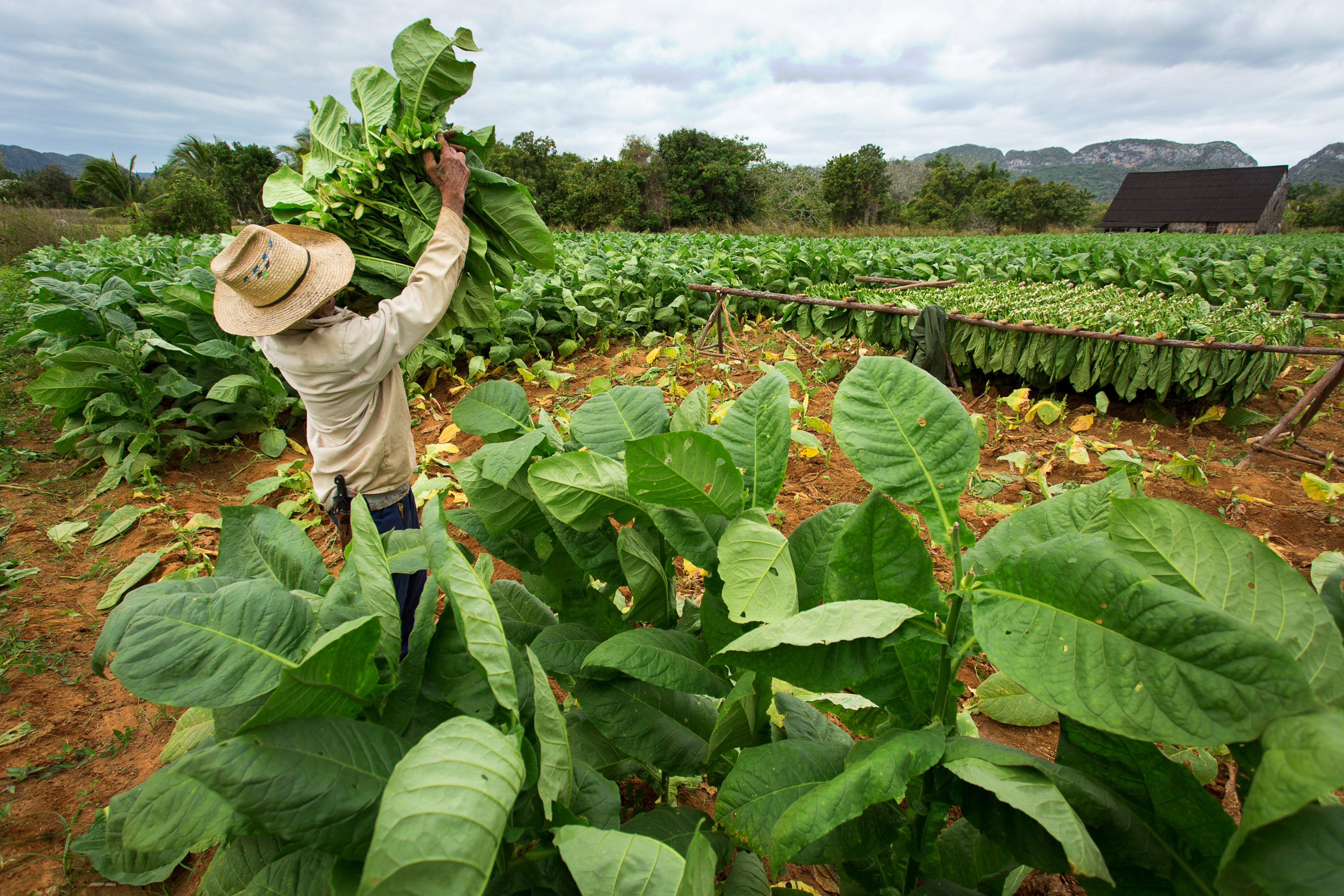
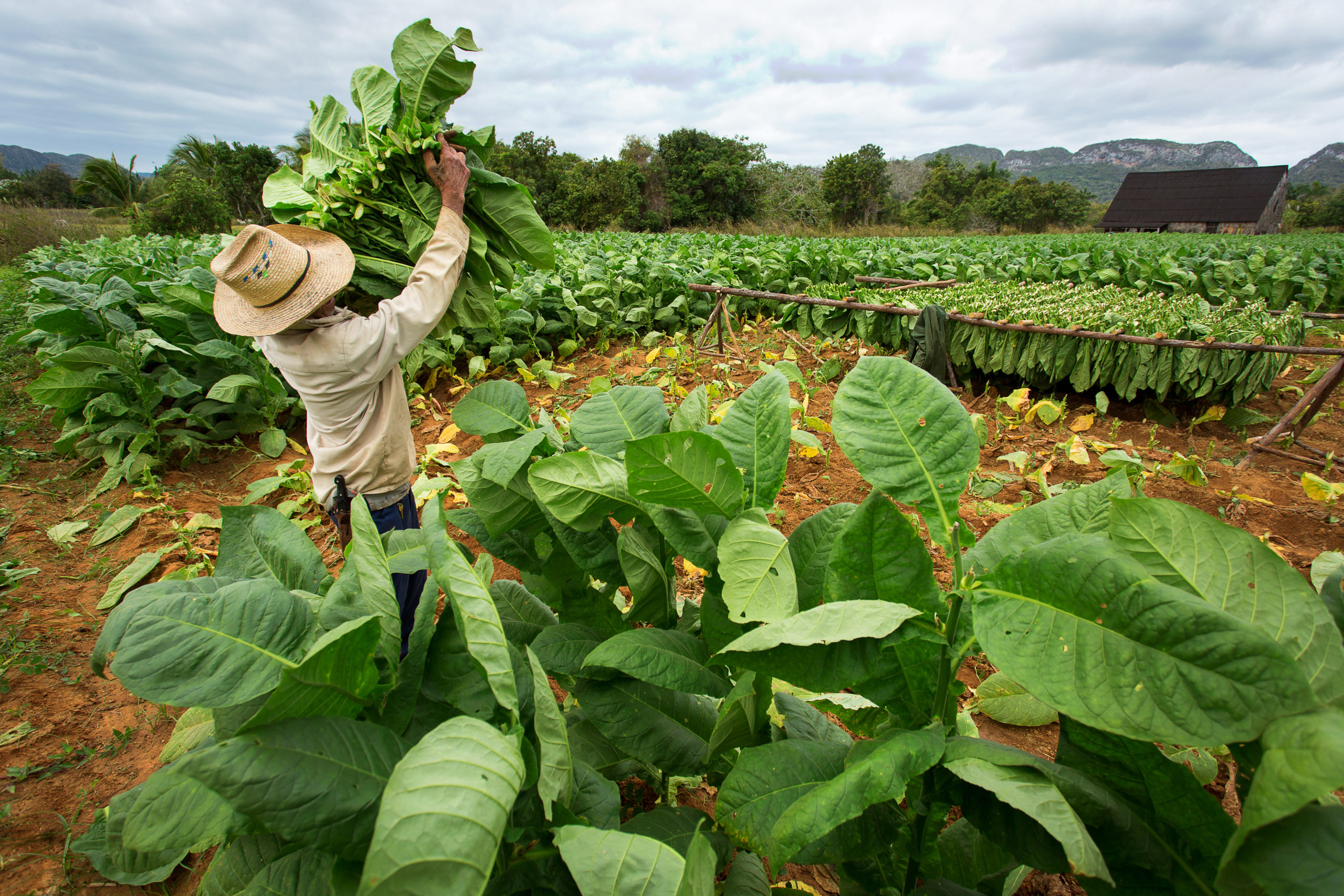
TABORA: TOBACCO farmers in Tabora Region are experiencing improved productivity following the introduction of new registered tobacco seed varieties by Alliance One Tobacco Tanzania Limited, with early results showing potential to increase yields, improve leaf quality and strengthen resilience against climate-related challenges.
The improved seeds, known as Alliance One Varieties (AOV), were developed by Alliance One International to support sustainable tobacco production and improve farmers’ returns.
The varieties currently introduced in Tanzania include AOV 212, AOV 405 and AOV 815, which underwent local testing and registration before being distributed to farmers. Farmers and agricultural experts say the new varieties have demonstrated better performance compared with traditional seeds such as RG 17 and K326.
They have shown higher yield potential, improved leaf quality, stronger disease resistance and better tolerance to drought conditions, which have become increasingly important as changing weather patterns continue affecting agricultural activities.
The introduction of the varieties comes as Tanzania focuses on improving agricultural productivity by increasing output from existing farmland rather than expanding cultivation areas. For tobacco growers, improved seed technology offers an opportunity to increase income while making better use of available land.
Field demonstrations and trials conducted in recent growing seasons have provided early evidence of the benefits of the new varieties. Farmers involved in the trials say the difference in production has been significant compared with traditional tobacco seeds.
ALSO READ: Every wasted meal costs more than you think
Mr Bora Maona, a tobacco farmer from Igwisi Primary Cooperative Society in Kaliua District, said the government-approved varieties had produced encouraging results during trials involving selected farmers. He explained that after adopting AOV seeds during the 2023/24 farming season, he recorded higher yields and improved income compared with traditional varieties.
“Traditional seeds produced about 1,350 kilogrammes per hectare, while AOV varieties have shown potential yields of between 3,000 and 3,500 kilogrammes per hectare,” he said.
The difference demonstrates how improved seed genetics can increase agricultural efficiency by allowing farmers to produce more from the same piece of land.
Another farmer, Mr Emmanuel Mija from Uyui District, said the new varieties produce more leaves per plant than conventional seeds, resulting in increased harvest volumes and better returns.
He noted that improved leaf development contributes not only to higher yields but also to better-quality cured tobacco, which is an important factor in determining market value. Agricultural experts say improved seeds are among the most effective tools for increasing farm productivity because they help farmers maximise output when combined with proper farming practices.
Beyond increasing yields, the new varieties have also shown potential to reduce production losses caused by diseases and periods of water shortages. These challenges have often affected tobacco production by reducing harvest volumes and increasing risks for farmers.
Alliance One Agricultural Extension Officer for Kaliua Region, Ms Gaudencia Mwilabuba, said the varieties were developed through scientific research aimed at improving productivity, sustainability and farmers’ livelihoods. She explained that before being introduced commercially, the seeds underwent extensive evaluation under Tanzanian conditions through trials conducted at Tanzania Tobacco Research Institute (TORITA) centres in Tumbi, Mtanila and Kahama.
The trials recorded promising results, with yields reaching up to 3,275 kilogrammes per hectare under recommended production practices. According to Mwilabuba, the varieties offer higher productivity and improved disease resistance, factors that can contribute to increased farmer incomes, stronger rural economies and greater agricultural output.
She, however, stressed that improved seeds deliver better results when combined with proper agronomic practices, including effective nursery management, timely transplanting, balanced fertiliser application and good crop management throughout the growing season.
ALSO READ: When homegrown contractors are building Tanzania’s future
Researchers involved in evaluating the varieties have also reported positive findings. TORITA researcher Ms Magdalena Raphael said the AOV seeds demonstrated consistent performance during a three-year evaluation programme.
She explained that researchers assessed yield potential, adaptability, disease resistance and overall crop performance under different environmental conditions before approving the varieties for commercial production. The successful evaluation process provided the scientific foundation for registering and introducing the seeds to farmers.
Industry stakeholders believe the improved varieties could strengthen Tanzania’s tobacco value chain by improving leaf quality and consistency at a time when international markets increasingly demand reliable supply and sustainable production practices.
Higher-quality tobacco can improve market competitiveness by helping processors and exporters meet international buyer requirements more effectively. The benefits of improved productivity extend beyond individual farms. Producing higher yields from the same area of land allows farmers to increase earnings, improve household incomes and strengthen local economies.
Higher farm incomes can stimulate demand for agricultural inputs, transport services, construction activities and consumer goods in tobacco-growing communities. Improved production can also strengthen contract farming arrangements by increasing the supply of quality tobacco without requiring similar increases in production costs. For processors and exporters, a more consistent supply of quality leaf improves operational efficiency and supports Tanzania’s position in global tobacco markets.
At the national level, tobacco remains an important export crop, contributing foreign exchange earnings, employment opportunities and government revenue through activities across the production, processing and marketing chain. The introduction of improved seed technologies demonstrates how research, innovation and cooperation between private companies, research institutions and farmers can contribute to agricultural development.
As more farmers adopt the Alliance One Varieties, producers in Tabora are optimistic that the improved seeds will help increase production, improve profitability and strengthen their ability to manage climate-related challenges. The continued use of better-performing varieties, combined with good farming practices, is expected to support a more productive, competitive and sustainable tobacco sector in Tanzania.