
DODOMA: THE country’s mineral testing capacity is expected to improve significantly with the completion of the Geological Survey of Tanzania (GST)’s state-of the-art mineral testing laboratory, which is scheduled to be ready by September next year.
The 690-day project, worth 14.3bn/-, aims to improve mineral sample testing services for miners in Tanzania and the wider region while enhancing the country’s position as a centre for laboratory services.
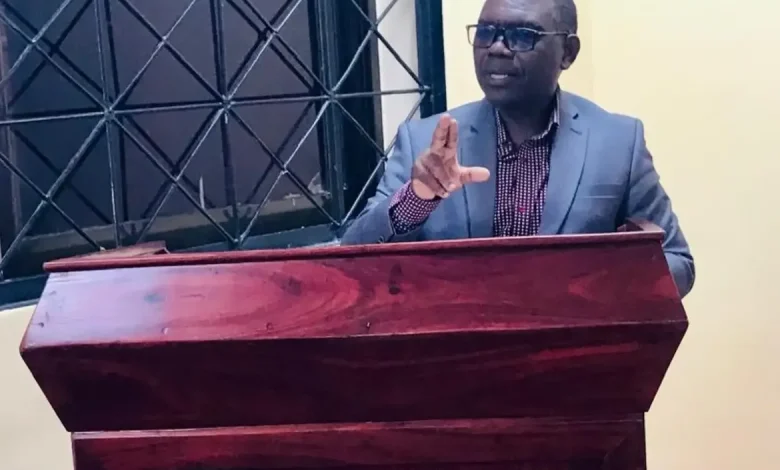
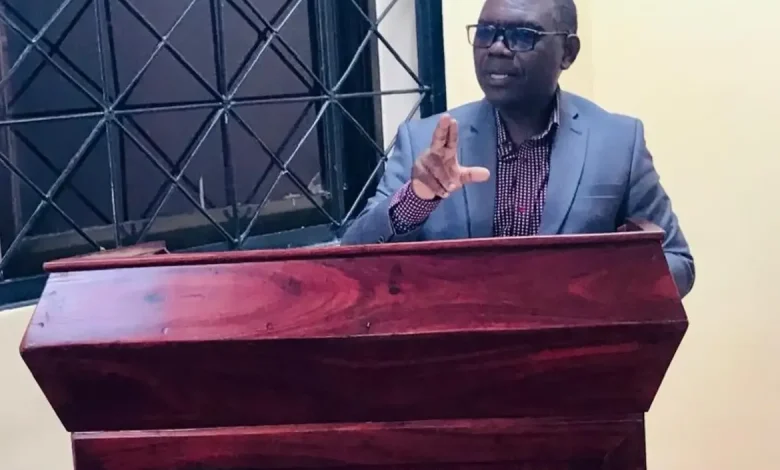
Minister for Minerals Anthony Mavunde said the government is committed to strengthening the mining sector by investing in modern infrastructure that supports mineral exploration and analysis.
He said miners have for many years faced challenges in identifying and analysing minerals, forcing some to send samples abroad for testing.
“We are constructing a modern laboratory with the capacity to serve many people in the country,” Mr Mavunde said.
He said the laboratory is expected to position Tanzania as a regional hub for mineral testing services while building the capacity of local experts and enhancing skills in the mining sector.
The minister directed the contractor to ensure the project is completed on schedule and in accordance with the required quality standards.
“We want this building to be completed on time and to meet the required quality standards so that it can achieve its intended objectives,” he said.
Mr Mavunde added that the government would continue investing in laboratory infrastructure to bring mineral testing services closer to miners, citing the construction of similar laboratories in Geita and Chunya.
GST Chief Executive Officer, Ally Samaja said the project forms part of efforts to improve mineral testing services in the country.
He said the main building, which will accommodate laboratories and offices, is 13 per cent complete, while construction of a separate building for handling mineral samples has reached 20 per cent.
ALSO READ: GST intensifies mineral exploration, laboratory services to bolster the sector’s efficiency
Once completed, the facility will enable GST to provide high-quality laboratory services to miners in Tanzania and neighbouring countries, according to Mr Samaja.
The project’s supervising engineer, Cyprian Mganga, said the laboratory is expected to be completed by the end of September next year.
He said the project has created temporary employment opportunities for local residents, with artisans and young people engaged in various construction activities alongside skilled workers from outside the region.
Mr Mganga said the modern laboratory will have the capacity to serve clients from across the country as well as other East African nations, significantly improving access to mineral testing services in the region.