
DAR ES SALAAM: “EVERYONE talks about the weather, but few people truly understand how much it influences every aspect of our lives.” Whether the sun shines brightly, heavy rain falls unexpectedly, or strong winds sweep across cities, weather quietly shapes the decisions we make every single day.
It determines what we wear, how we travel, what farmers harvest, and even how businesses operate. Although many people only notice the weather when it becomes extreme, it remains one of the most important natural systems on Earth. Weather refers to the short-term condition of the atmosphere at a specific place and time.
It includes temperature, rainfall, humidity, wind, air pressure, and cloud cover. Unlike climate, which describes average weather patterns over many decades, weather can change within hours or even minutes.
A sunny morning may quickly become a stormy afternoon, reminding us that nature is constantly changing. Understanding this difference helps people make better decisions in agriculture, transportation, construction, tourism, and disaster preparedness.
One of the greatest benefits of weather forecasting is that it allows people to prepare for changing conditions. Farmers depend on weather forecasts to decide when to plant crops, apply fertilizer, or harvest their produce. Pilots use weather information before every flight to avoid dangerous storms or strong winds.
Fishermen monitor forecasts before heading out to sea, while families use weather reports to plan holidays, sporting events, and outdoor activities.
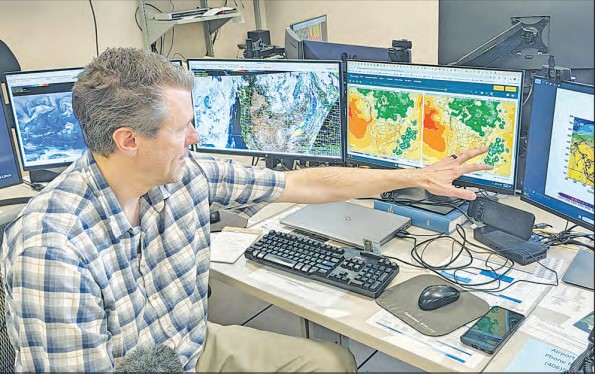
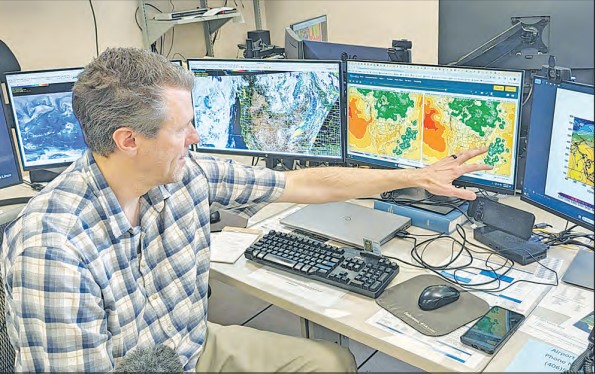
Without accurate weather predictions, daily life would become far more difficult and riskier. Modern technology has transformed the way meteorologists study the atmosphere. Weather satellites orbit the Earth, capturing images of clouds, storms, and changing weather systems.
ALSO READ: Thrown away today, valuable tomorrow: Rethinking Tanzania’s waste economy
Doppler radar tracks rainfall and thunderstorms, while weather stations collect data on temperature, humidity, and wind speed from thousands of locations around the world. Powerful computer models combine this information to predict future weather patterns with increasing accuracy.
Although forecasts are not always perfect, scientific advances have greatly improved our ability to prepare for severe weather events.
Extreme weather has become a growing concern in many parts of the world. Heatwaves, floods, droughts, hurricanes, tropical cyclones, and wildfires are affecting millions of people each year. These events damage homes, destroy crops, interrupt transportation, and sometimes lead to the loss of life.
Scientists continue to study how a warming climate may influence the frequency and intensity of certain extreme weather events, making preparedness and resilience increasingly important for communities everywhere. Agriculture is perhaps the sector most closely connected to weather.
A season with adequate rainfall can produce healthy crops and abundant harvests, while prolonged drought or excessive rainfall can cause major food shortages. In many developing countries, millions of farmers rely almost entirely on natural rainfall instead of irrigation systems.
Because of this, even small changes in weather patterns can have significant effects on food security, household income, and national economies. Weather also has a direct impact on human health.
During extremely hot days, people face a greater risk of dehydration, heat exhaustion, and heatstroke, particularly children and older adults. Heavy rainfall can increase the spread of waterborne diseases if clean water supplies become contaminated.
Cold weather, on the other hand, increases the risk of respiratory illnesses and hypothermia in vulnerable populations. These health challenges highlight why weather information is valuable not only for convenience but also for public safety. Many people think weather only affects rural communities, but cities are equally vulnerable. Heavy rainfall can overwhelm drainage systems and cause urban flooding.
Strong winds may damage buildings and power lines, while dense fog can reduce visibility and disrupt road, rail, and air transport. City planners are increasingly designing infrastructure that can withstand more extreme weather conditions, recognizing that resilient cities are essential for sustainable development.
Weather also influences wildlife and ecosystems. Birds often migrate according to seasonal weather changes, while flowering plants depend on temperature and rainfall for growth. Rivers, forests, wetlands, and oceans all respond to changing weather conditions.
When unusual weather persists for long periods, ecosystems may struggle to adapt, affecting biodiversity and the balance of nature. Protecting the environment therefore also helps protect the natural systems that regulate weather and climate.
Climate change has made conversations about weather more important than ever. Although no single storm or heatwave can be blamed entirely on climate change, scientists agree that rising global temperatures are influencing weather patterns in many regions.
Some areas are experiencing more intense rainfall, while others face longer droughts or stronger heatwaves. These changes require governments, businesses, and individuals to improve disaster preparedness, strengthen infrastructure, and reduce environmental damage wherever possible. Every individual also has a role to play in responding to weather-related challenges.
Simple actions such as planting trees, conserving water, reducing pollution, supporting clean energy, and following official weather warnings can make communities more resilient. Schools can educate students about weather safety, families can prepare emergency kits, and local authorities can invest in better forecasting systems and disaster response plans.
Perhaps the greatest lesson weather teaches us is that nature deserves both respect and understanding. We cannot control the wind, stop the rain, or command the sunshine, but we can prepare wisely, use scientific knowledge, and make responsible choices that reduce risks.
Every forecast reminds us that although weather changes from day to day, our preparedness determines how well we respond. As technology continues to improve, weather forecasting will become even more accurate, helping societies protect lives, strengthen economies, and adapt to a changing world.
The weather outside our windows may seem ordinary, but behind every cloud, every raindrop, and every ray of sunshine lies a complex system that keeps our planet alive. Understanding weather is not just about knowing whether to carry an umbrella it is about understanding one of the most powerful forces shaping life on Earth.
Weather is far more than a daily forecast it is a powerful force that influences our environment, our economy, and our way of life. From helping farmers grow food to ensuring safe travel and protecting communities from natural disasters, understanding weather has never been more important.
As climate patterns continue to change, individuals, governments, and organizations must work together to promote environmental sustainability, invest in modern forecasting technology, and prepare for extreme weather events. By respecting nature, staying informed, and taking responsible action, we can build safer, stronger, and more resilient communities for future generations.