
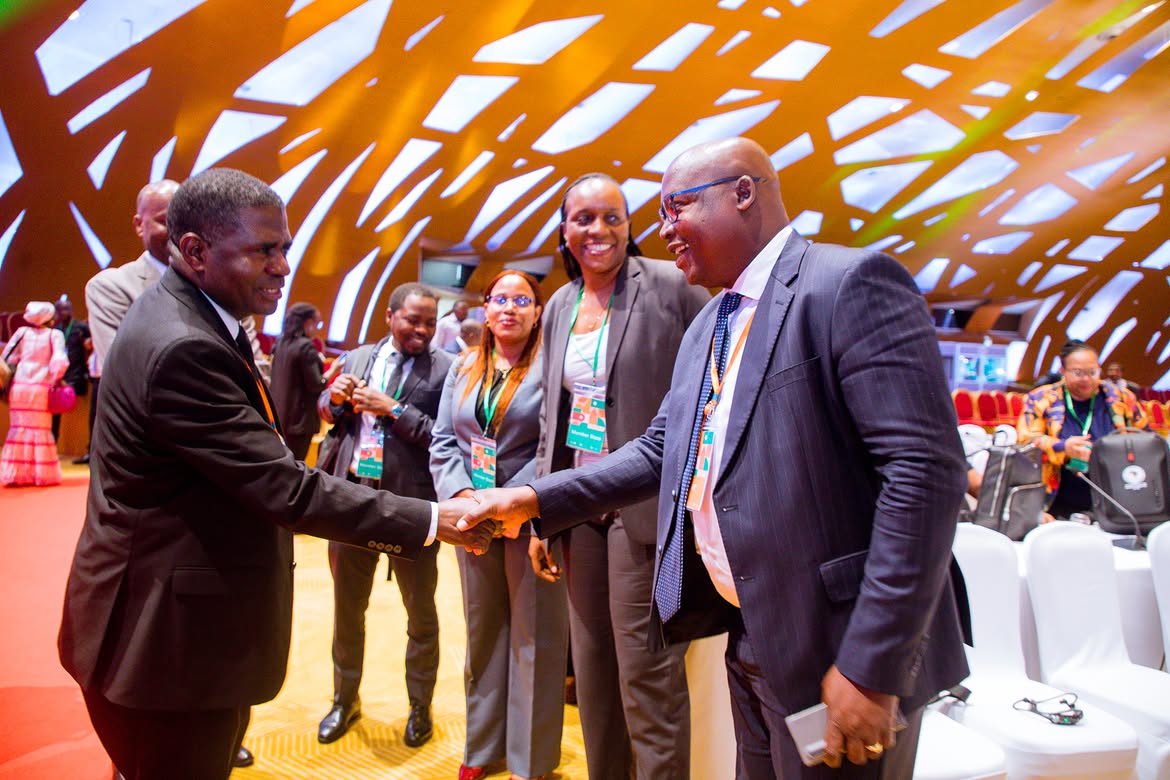
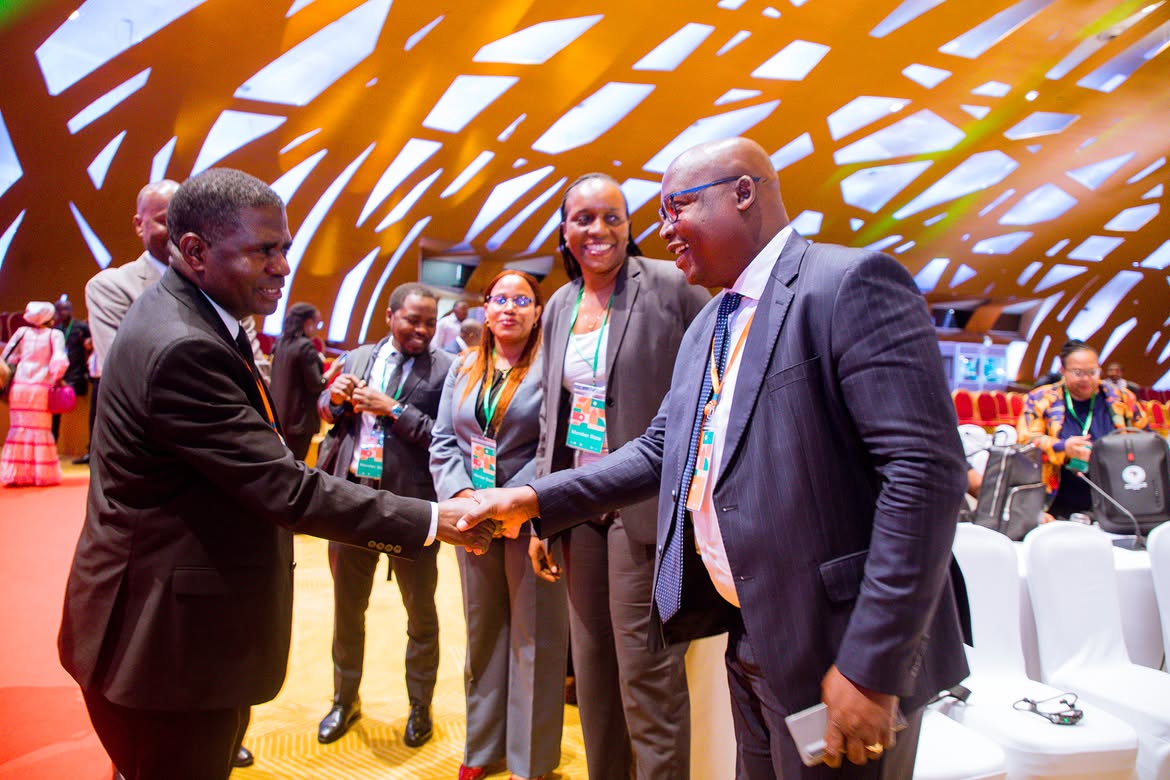
ABIDJAN: TANZANIA has called on African countries to adopt strategies that promote debt sustainability and reduce reliance on external financing, saying stronger domestic resource mobilisation is critical for achieving sustainable economic transformation.
The call was made by Deputy Minister for Finance, Eng Mshamu Ali Munde, who led the Tanzanian delegation at the Joint 9th Session of the Specialised Technical Committee (STC) on Finance, Monetary Affairs, Economic Planning and Integration and the 5th Session of the STC on Trade, Tourism, Industry and Minerals held in Abidjan, Ivory Coast, from July 20 to 24.
The meeting, convened by the African Union Commission (AUC) under the theme “Financing Africa’s Industrialisation for Sustainable Development,” brought together ministers, central bank governors, policymakers, technical experts, development partners, private sector representatives, academics and civil society organisations.
Eng Munde said Africa’s abundant natural resources, including minerals, trade and tourism potential, provide a strong foundation for economic growth if effectively managed through coordinated continental efforts.
“Africa is endowed with vast mineral resources, trade and tourism potential, which are key pillars capable of driving economic growth if there is strong and effective coordination among member states,” he said.
Speaking after the meeting, the deputy minister said the resolutions reached would support efforts to accelerate economic transformation by promoting value addition to Africa’s resources, strengthening regional cooperation and reducing dependence on external financing.
He said African countries need to develop sustainable financing models that enable them to invest in industrialisation while maintaining manageable debt levels.
Eng Munde also highlighted the importance of Africa’s youthful population, saying the continent’s young people could become a major force for industrial and economic transformation, if equipped with quality education, skills and opportunities.
“The continent’s youthful population, with its creativity and energy, can become a key driver of industrial and economic transformation if empowered through improved education and skills development,” he said.
He added that creating an enabling environment for emerging technologies, including Artificial Intelligence (AI), would help build a competitive workforce capable of supporting Africa’s industrial ambitions.
“Creating an enabling environment for the adoption of new and advanced technologies, including Artificial Intelligence, will help build a globally competitive workforce and accelerate industrial and economic transformation across Africa,” he said.
On regional trade, Eng Munde said African countries discussed measures aimed at removing tariff and non-tariff barriers, reviewing policies that hinder intra-African trade and developing new economic corridors to improve connectivity.
“These measures will facilitate the free movement of people, goods and services through the African Continental Free Trade Area (AfCFTA),” he said.
During the meeting, participants agreed to strengthen efforts to harness Africa’s natural resources, particularly strategic minerals, as catalysts for industrialisation through increased financing, value addition and expanded intra-African trade.
The discussions focused on mobilising resources and accelerating industrial transformation in line with the African Union’s Agenda 2063.
ALSO READ: AfCFTA: Tanzania’s gateway to bigger markets, greater investment
The Joint STC meeting provided a platform for member states to assess progress, strengthen policy coordination and develop financing mechanisms to support industrial development across the continent.
Key areas discussed included strategic mineral resources, green industrialisation, regional value chains and implementation of major continental frameworks such as Agenda 2063, AfCFTA, the African Mining Vision, the Accelerated Industrial Development of Africa (AIDA) and the Fourth