
DODOMA: THE government will begin implementing key tax reforms in the coming financial year to address longstanding concerns raised by citizens, businesses and investors, with the aim of creating a more supportive environment for local entrepreneurs and investors.
Prime Minister Dr Mwigulu Nchemba said the reforms are part of implementing directives issued by President Samia Suluhu Hassan following the submission of the report by the Presidential Commission on Tax System Reforms.
The commission was established in response to concerns raised by taxpayers, investors, business operators and development stakeholders over challenges within the existing tax regime.
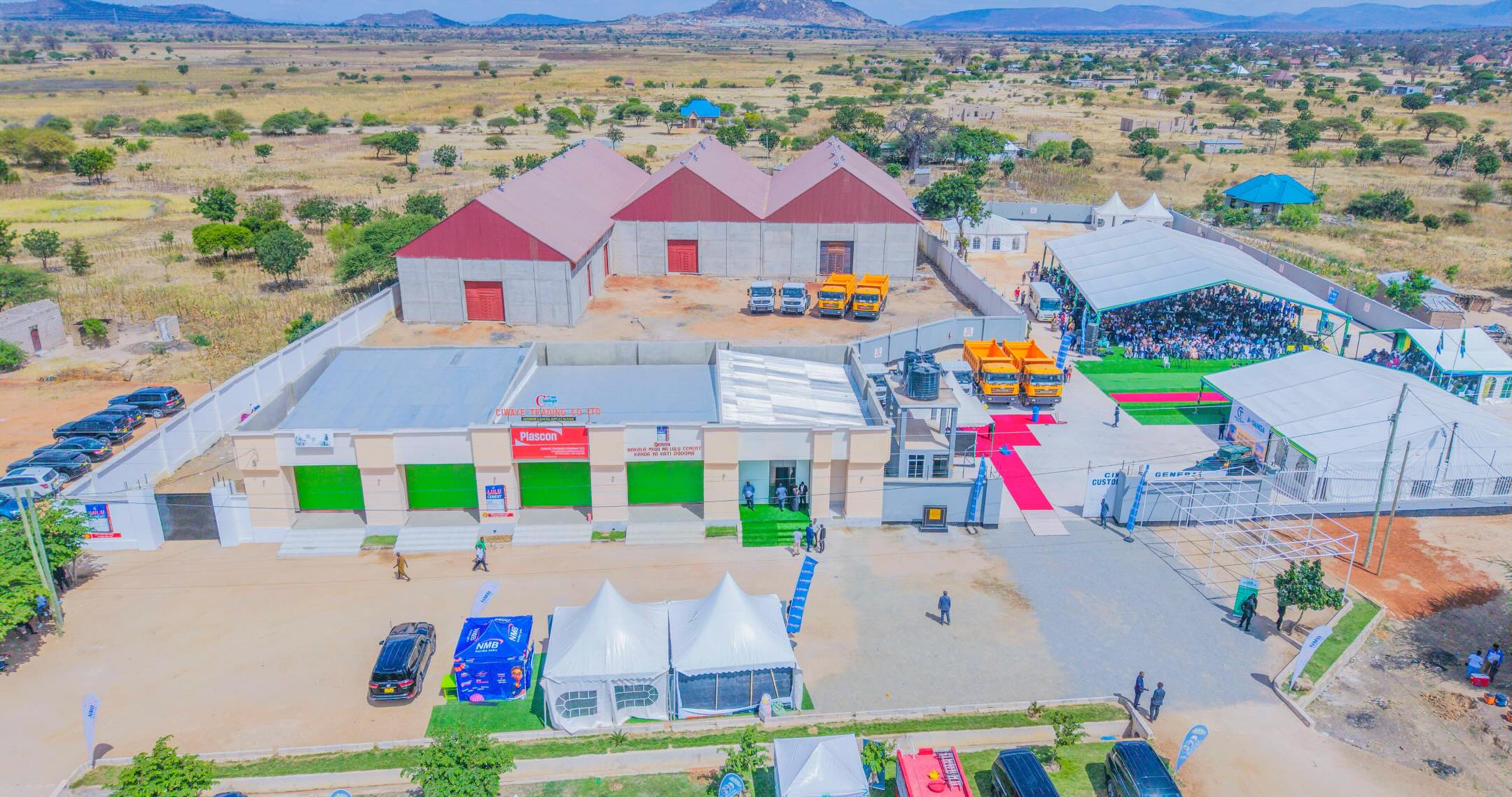
Speaking during the inauguration of a customs bonded warehouse owned by Ciwaye Trading Company Limited in Chamwino District, Dodoma Region, Dr Nchemba said Tanzanians would soon begin witnessing the implementation of the commission’s recommendations through the government budget and Finance Bill.
“I would like to assure Tanzanians that changes reflecting the directives of President Samia and recommendations of the Presidential Tax Commission are now being implemented,” he said.
Dr Nchemba said the reforms are intended to stimulate local investment and enable more Tanzanians to participate meaningfully in the country’s economic development.

ALSO READ:Samia to grace top taxpayers at TRA 30th anniversary
“The objective is to create more indigenous investors capable of driving our economy. The budget contains measures that many Tanzanians have been eagerly awaiting, particularly those aimed at improving the business environment and supporting local entrepreneurs,” he said.
He added that the government had already directed the Ministry of Finance and the Planning Commission to begin integrating the recommendations into fiscal policies and legal frameworks.
The Prime Minister stressed that the private sector remains a key partner in achieving the goals of the National Development Vision 2050, noting that its contribution to economic growth is more than double that of government investment.
He said President Samia has continued to champion reforms aimed at strengthening the private sector, including amendments to laws that provide greater opportunities for local investors to undertake major projects.
“In the past, incentives largely targeted foreign investors. Today, local investors are also benefiting. Previously, major projects were reserved for foreign companies, with Tanzanians limited to minority participation. The law now allows Tanzanians to undertake large-scale projects and employ foreign expertise where necessary,” he said.
Dr Nchemba cited the growing participation of local contractors in major infrastructure projects, including bridge construction, as evidence that the reforms are yielding positive results.
Ciwaye Trading Company Limited Director Ms Happy John said the company would operate the bonded warehouse in full compliance with customs regulations, transparency requirements and tax obligations.
She said the facility would create employment opportunities, support economic growth and improve cargo handling and logistics services.

Ms Happy also appealed to the government to allocate land for the establishment of a dry port in Dodoma, saying the facility would help reduce congestion at the Port of Dar es Salaam, increase utilisation of the Standard Gauge Railway (SGR) and strengthen Dodoma’s position as a logistics hub.
Speaking on behalf of the Tanzania Revenue Authority (TRA) Commissioner General, Deputy Commissioner for Customs Mr Wahabi Matengo said the bonded warehouse would facilitate trade, promote voluntary tax compliance and contribute to government revenue collection.
He said the facility had met all regulatory requirements and would also be used to store heavy machinery and vehicles pending customs clearance.
Mr Matengo noted that customs warehouses play a vital role in promoting international trade by facilitating the storage, movement and export of goods while ensuring compliance with customs laws.
He said TRA would continue monitoring operations at the facility to ensure it contributes effectively to revenue mobilisation and economic development in Dodoma Region and the country at large.
