
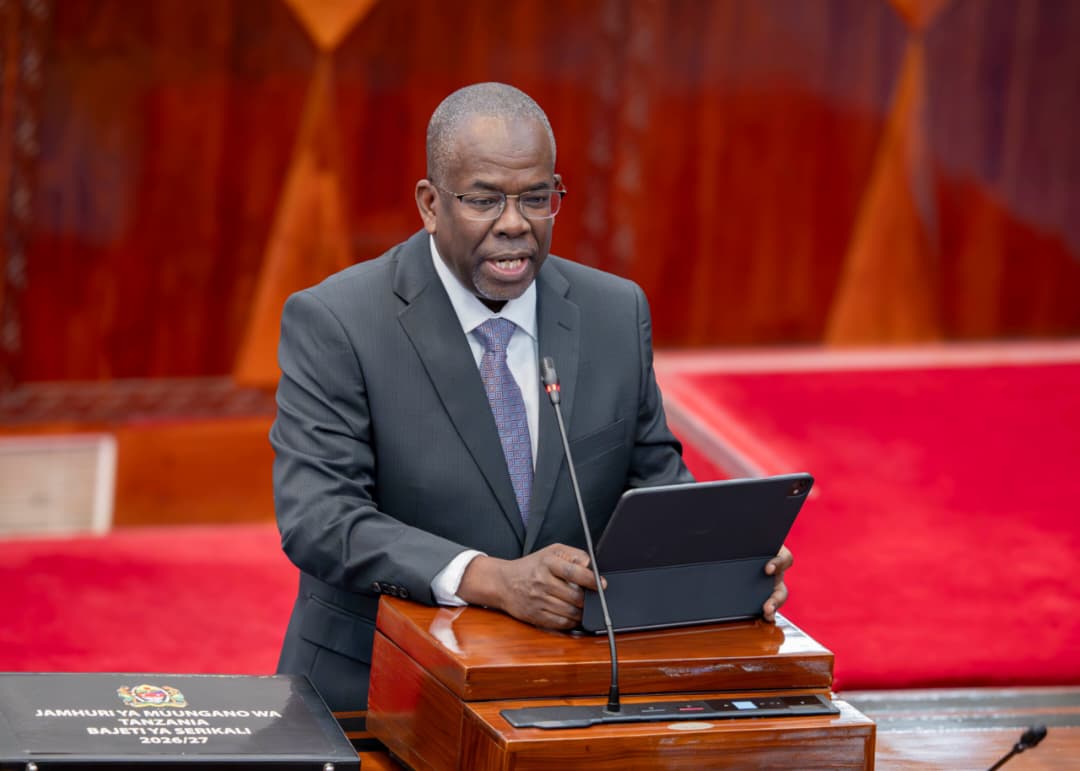
DODOMA: ELECTRIC vehicle users, investors and clean energy businesses are set to benefit from a package of tax incentives proposed in the 2026/27 budget as the government moves to accelerate the adoption of electric mobility, natural gaspowered transport and clean cooking technologies.
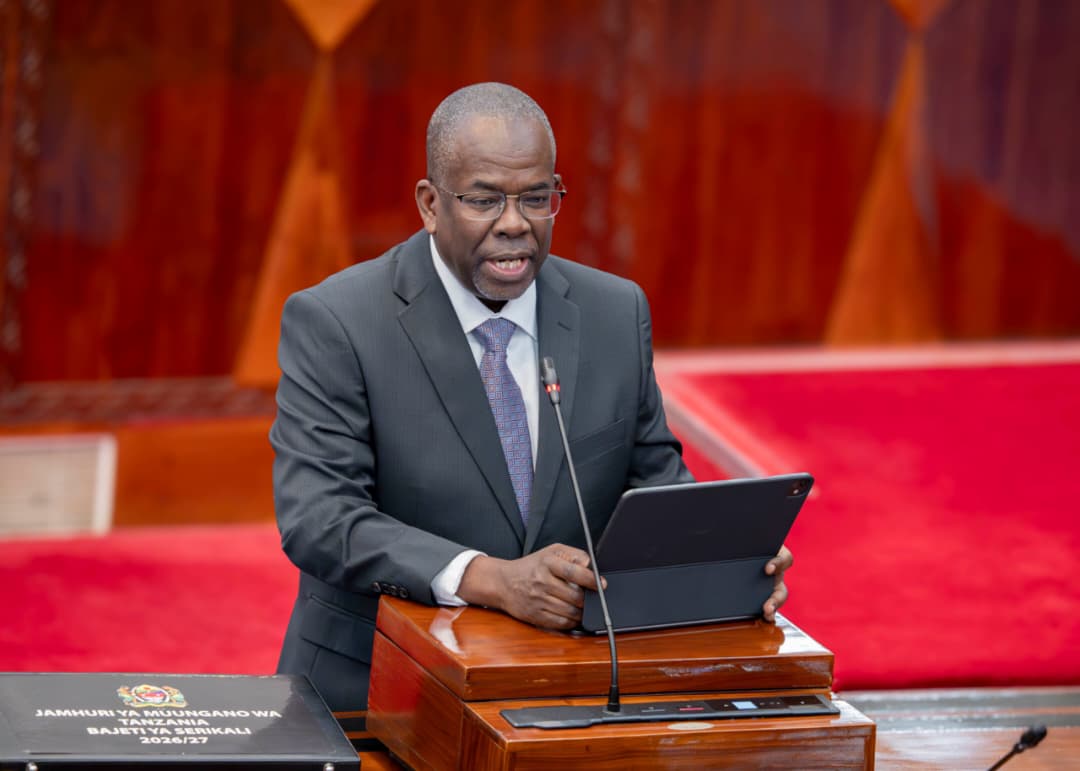
Presenting the 2026/27 National Budget in Parliament yesterday, Finance Minister Ambassador Khamis Mussa Omar announced measures aimed at reducing dependence on imported petroleum products while supporting the country’s transition to cleaner and more sustainable energy sources.
Among the key proposals is a Value Added Tax (VAT) exemption on equipment used in electric vehicle (EV) charging stations and a reduction in import duty on electric vehicles from 25 per cent to 10 per cent.
“To promote the use of electricity and natural gas, the government proposes for the 2026/27 financial year to exempt VAT on equipment to be used in electric vehicle charging stations,” Ambassador Omar said.
The reduction in import duty is expected to lower the cost of EVs and encourage wider adoption by consumers and businesses.
The minister also revealed that discussions are continuing with local vehicle assembly plants to explore additional tax incentives for manufacturers and assemblers of electric vehicles operating in Tanzania.
In a related move, public institutions have been directed to prioritise the procurement of new vehicles powered by electricity and natural gas in their plans and budgets.
“The goal of this measure is to reduce government expenditure arising from dependence on petroleum fuels imported from abroad,” he explained.
To support the clean cooking agenda, the government has proposed a VAT exemption on imported Liquefied Petroleum Gas (LPG) smart meters. The exemption will apply exclusively to LPG distributors to help expand access to modern cooking energy and increase adoption of cleaner household fuels.
The measure is expected to reduce government revenue by about 16.8 million shillings.
At the same time, the budget proposes the introduction of a five per cent excise duty on motorcycles, excluding emergency medical motorcycles as well as motorcycles powered by electricity and natural gas.
Ambassador Omar said the proposal is intended to encourage the use of environmentally friendly transport options while generating an estimated 30.4 billion shillings in additional government revenue.
ALSO READ: Govt allocates Sh1.3tn for health, debt clearance
The new incentives build on a range of existing measures designed to stimulate investment in clean energy and alternative transport systems. These include excise duty exemptions for electric and gas-powered vehicles, VAT exemptions on compressed natural gas (CNG) used in transport and tax relief on CNG distribution equipment such as compressors, metering systems, storage cascades, specialised transport vehicles and dispensers.
Additional incentives cover equipment used to convert conventional vehicles to gas or electric systems, imported raw materials used in manufacturing gas cylinders and electric batteries used by local vehicle and motorcycle assemblers.
Ambassador Omar said the government has also maintained customs duty incentives for local assemblers under the 2025 East African Community vehicle manufacturing regulations.
“The measures will help lower production costs, encourage investment in clean energy technologies and support Tanzania’s transition towards a more sustainable and energy-efficient economy,” he said.