
DODOMA:In a significant step towards improving road safety through home-grown technology, fourth-year students at the University of Dodoma (UDOM) have developed a smart digital system capable of detecting passengers who fail to fasten seat belts on long-distance buses and instantly alerting drivers and conductors.
An innovation expected to strengthen road safety and support Tanzania’s digital transformation agenda.
The innovation, known as the Wireless Seat Belt Monitoring and Alert System, is designed to help reduce deaths and injuries resulting from road traffic accidents by ensuring passengers comply with seat belt regulations throughout their journeys.
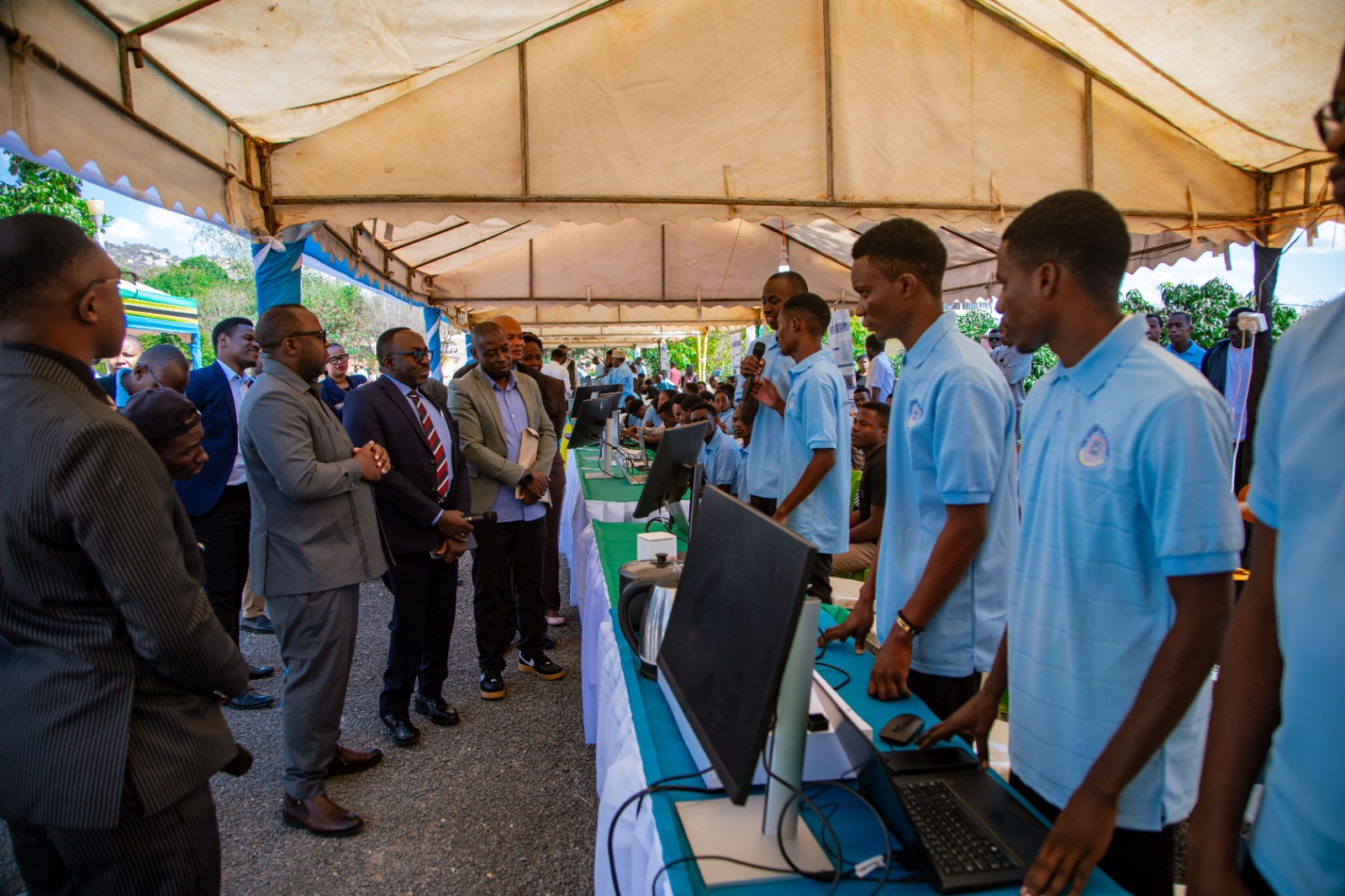
The system was unveiled during the College of Informatics and Virtual Education (CIVE) Research and Innovation Week, where students showcased technology-based solutions aimed at addressing real-life challenges facing the country.
One of the student innovators, Vicent Zakaria, said the project was inspired by the increasing number of passengers who ignore seat belt requirements despite their importance in reducing fatalities and serious injuries during road crashes.
He explained that the system operates in three stages. First, it identifies whether a seat is occupied by a passenger, luggage or is vacant. It then checks whether the passenger has properly fastened the seat belt before detecting attempts to bypass the system by placing the belt behind the body instead of wearing it correctly.
“If the system detects that a passenger has not fastened the seat belt or has attempted to trick the system, it immediately sends an alert indicating the seat number to both the driver and conductor so they can ensure the passenger complies with safety requirements,” Zakaria said.
Acting Deputy Vice Chancellor responsible for Academic, Research and Consultancy,Professor Razack Lokina, said the university encourages final-year students to develop practical innovations capable of solving national challenges while preparing them for the labour market.
He urged the students to continue refining their innovations so they can be commercialised and adopted for wider public use, noting that locally developed technologies have an important role in supporting Tanzania’s digital economy.
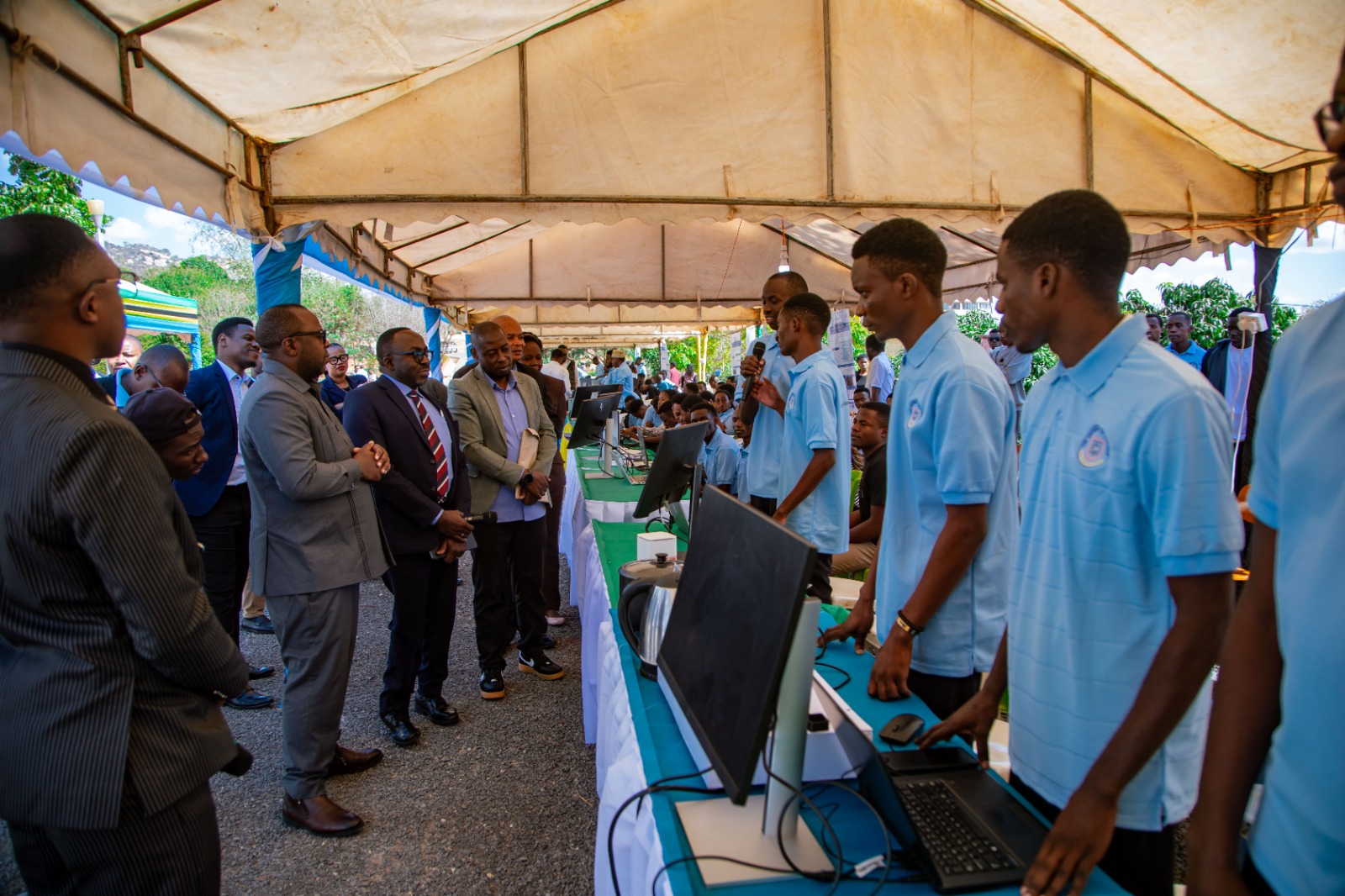
Representing the Permanent Secretary in the Ministry of Communication and Information Technology, Director of Systems Development, ICT Services and Compliance, Mohammed Mashaka, said the government is ready to collaborate with innovators whose projects demonstrate practical value and potential for national implementation.
He advised innovators to ensure their products meet key requirements, including proper identification, robust security, effective product promotion and long-term sustainability to improve their chances of successful deployment.
“We have seen and assessed your innovations. Those whose projects are still under development should continue improving them, while those with mature innovations will have opportunities to work with the government to bring these solutions into practical use,” he said.
Mashaka said this year’s theme, “Digital Innovation for Tanzania 2050: Driving Transformation, Empowering Lives,” reflects the country’s commitment to building a digital economy through innovation, technology and research.
He added that universities have a critical role to play in producing solutions that improve public service delivery, enhance safety and contribute to achieving the goals of the National Development Vision 2050.