
DAR ES SALAAM: BEFORE I travelled to Beijing, China existed in my mind as a distant giant, a country of ancient history, rapid technological advancement and breathtaking economic transformation.
But no article, documentary or photograph could have prepared me for the experience of seeing it with my own 30-year-old naked eyes.
From the moment the plane touched down after about a 15-hour journey, I found myself stepping into a world where scale seemed limitless, where modern infrastructure stretched as far as the eye could see, and where every day brought a new surprise.
After about a 15-hour journey from Dar es Salaam via Addis Ababa, Ethiopia, I stepped out of the aircraft expecting the usual routine of immigration counters and baggage claim.
Instead, I found myself inside what felt like a city disguised as an airport. Bright lights stretched endlessly above vast terminals, while a sleek tram quietly carried passengers from one gate to another.
As the train slidden through the massive complex, I caught myself staring through the windows in disbelief. This was my first glimpse of China, and it was larger than anything I had imagined.
Outside, the evening sun still hung in the sky as our vehicle joined a network of wide highways leading into Beijing.
Rows of carefully planted trees lined the roads, while modern bridges and interchanges unfolded one after another.
I dreamed one day of exploring the world, but upon landing in China, fatigue briefly gave way to curiosity. Every kilometre seemed to reveal another example of the scale and ambition for which China has become known.
Yet one of the biggest surprises came the following morning. At around 4:30am, sunlight was already streaming through my hotel window. Back home, dawn would still be hours away.
In Beijing, the day seemed eager to begin. The early sunrise, coupled with evenings that lingered long after sunset, gave the city a rhythm unlike any I had experienced before.
As we all know, China and Tanzania share a longstanding brotherly and cordial relationship. There are number of Chinese people in Tanzania and, in my experience, most of them are kind, humble with calm demeaner. Over the years, I had often wondered whether that warmth stemmed simply from being guests in our country.
But being in Beijing, however, quickly right at the Airport answered that question. My colleagues and I were welcomed by one of our hosts, and despite the exhaustion of our long journey, the hospitality we received was exceptional, this continued even to people I met on public transport, or even at market place and all the places our feet landed.
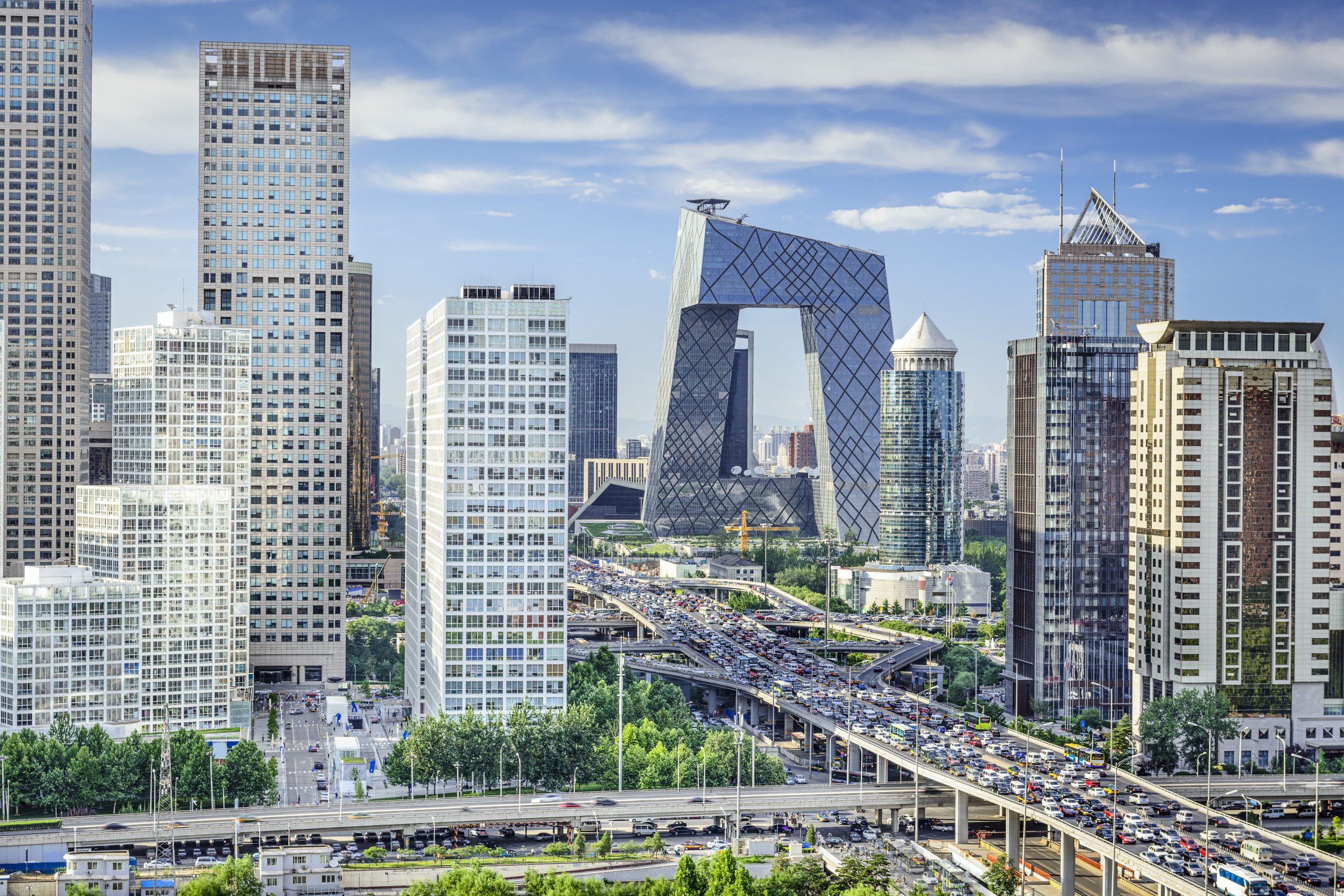
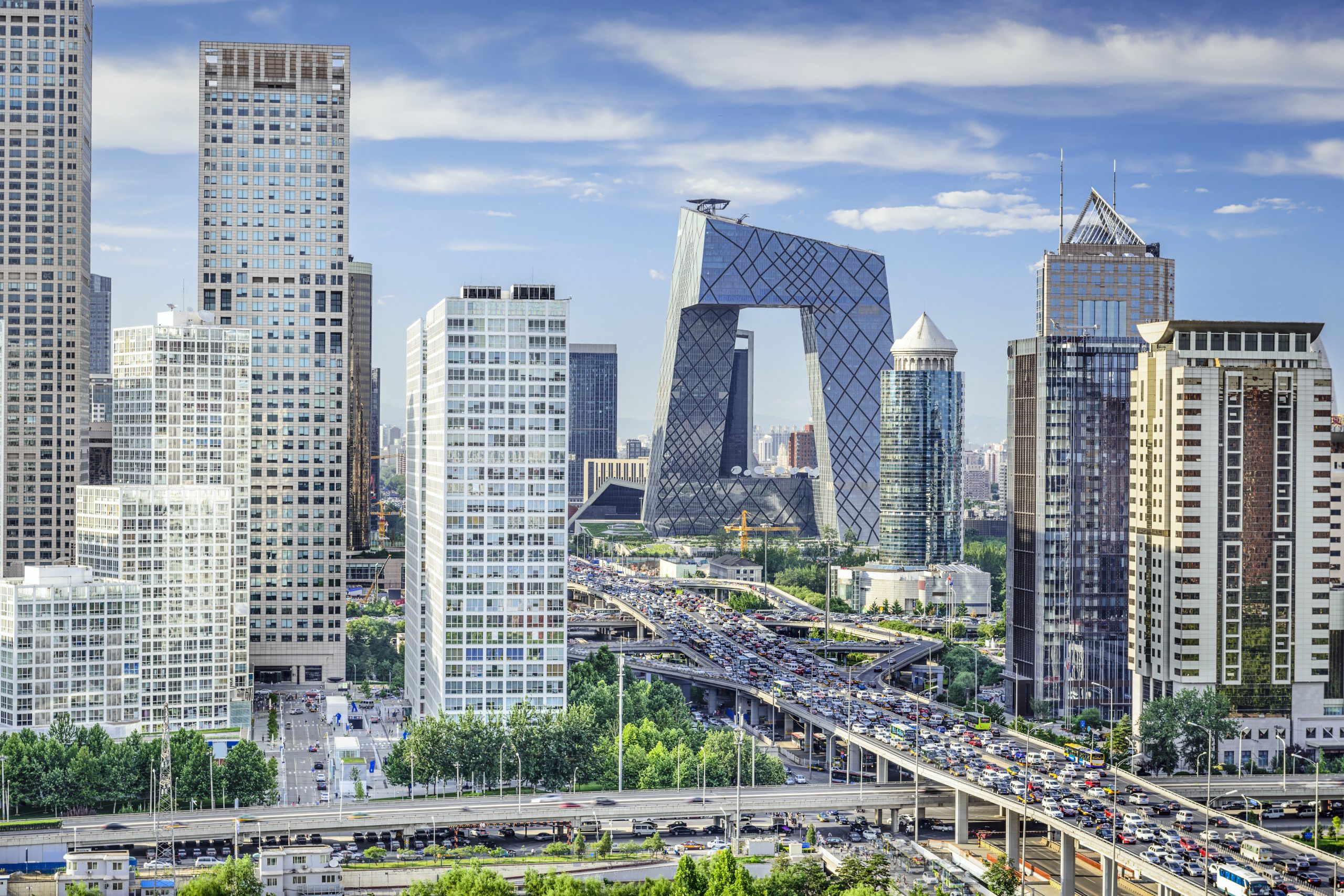
What surprised me most was the sight of a vast modern city that has successfully integrated technological advancement with environmental conservation. Despite its extensive network of modern roads and impressive infrastructure, environmental stewardship appears to be a priority rather than an afterthought.
Everywhere I looked, I saw rows of trees planted with remarkable precision. Some were supported by wooden stakes to ensure they grew straight and strong. In areas where trees were absent, colourful flower gardens filled the landscape, carefully arranged in patterns that resembled the work of a skilled artist.
What left me truly astonished was the way the pillars of major highways and interchanges had been transformed into living displays of greenery and flowers.
Flowers cascaded up the concrete structures and spread across their edges, giving the impression that these gigantic bridges had been built from plants rather than steel and cement. Throughout my stay in this magnificent city, I enjoyed a sense of freshness and clean air that I had not expected from one of the world’s largest capitals.
Before arriving, I had imagined that Beijing, as the political and international face of China, would be dominated by giant commercial billboards and flashing advertisements. Instead, I found a city where road signs, street names and building markers took precedence.
Advertisements were surprisingly few and appeared to have been carefully selected and strategically positioned. Even within bus stations and the underground metro system, advertising seemed restrained and thoughtfully integrated into the urban landscape.
I was told that Beijing is home to roughly 20 million people. Yet what struck me most was how convenient daily life appeared to be.
From electric buses equipped with charging systems to modern trams and an extensive underground metro network, nearly every important destination seemed connected. Offices, hotels, shopping areas and residential areas were all within easy reach.
Even after leaving a station, affordable shared bicycles were readily available to help commuters complete the final stage of their journey.
For those seeking a faster and more private option, taxi services are available at the touch of a button. Unlike Bolt or Uber, which are used in Tanzania, the version platform of such applications in China is Didi.
The service even allows passengers to share journeys with others travelling in the same direction, reducing costs further. Public transport remains the most affordable option, however, with fares of just three to five yuan, roughly equivalent to between 1,000/- and 1,500/-.
As I admired the spotless roads, towering flyovers and efficient underground rail system, I found myself reflecting on the country’s official name, the People’s Republic of China. Looking at the infrastructure around me, I could not help feeling that many of these developments had been designed with the practical needs of ordinary citizens firmly in mind.
Perhaps one of the most remarkable aspects of modern life in Beijing is that almost everything exists at one’s fingertips. Whether ordering food, purchasing clothes, arranging services or making payments, smartphones have become the gateway to daily life. Goods can be delivered directly to one’s doorstep based on a precise address, while payments are completed almost entirely through QR codes using platforms such as Alipay and WeChat.
Beyond the impressive technology and infrastructure, I was equally impressed by the people themselves. Apart from the kindness shown by our hosts, we continued to experience warmth and respect wherever we went. While travelling on the metro to local markets, strangers willingly stopped to help us navigate stations and explain connecting routes.
During visits to shopping streets and markets, many people expressed curiosity upon seeing us. Some asked to take photographs, while others used translation applications on their phones to bridge the language barrier. Despite our inability to speak each other’s languages, communication often came easily through technology, smiles and genuine goodwill.
One thing I found particularly striking was the confidence with which people went about their daily lives. Children played freely in parks and open spaces. People walked while using their smartphones without hesitation, and women moved around comfortably even late into the night.
At first, I simply admired the sense of safety. Later, I learnt that this confidence is supported by an extensive network of surveillance cameras installed throughout the city to strengthen public security. As a foreign visitor, I too felt remarkably safe during my stay in China.
I also observed that many business owners and shopkeepers in Beijing place great emphasis on customer service. Even when they could not speak English, they patiently used translation tools to ensure customers understood prices, products and services. Their commitment to serving customers left a lasting impression on me and prompted reflection on the value of excellent customer care back home in Tanzania.
My time in Beijing also offered a deeper appreciation of China’s unique cultural heritage and more than 5,000 years of civilisation. I learned how to use chopsticks and gained insight into the importance of Chinese green tea. I was told that when a Chinese host offers you tea, it is regarded as a gesture of great respect and sincere hospitality.
Across the city, I noticed numerous open spaces, parks and recreational areas designed for exercise and leisure. Sports facilities catered for both children and adults, while in the evenings I often witnessed groups of middleaged residents gathering in public squares to dance together as a form of exercise.
At first glance, it appeared to be nothing more than a social gathering. Later, I came to understand that it forms part of a broader lifestyle deeply rooted in health, wellbeing and community. Watching these scenes prompted me to reflect on how highly this society values physical fitness, mental wellbeing and the pursuit of a long and healthy life.
As the days passed, Beijing became far more than a city of skyscrapers, highways and cutting-edge technology. It revealed itself as a living lesson in how development, culture, environmental stewardship and public welfare can coexist. Every street, every train journey and every interaction offered another glimpse into a nation that continues to balance ancient traditions with modern ambitions on an extraordinary scale.
Yet there was still so much more to explore. Beijing is a sprawling megacity where thousands of years of ancient history coexist with hyper-modern urban living.
ALSO READ:Zero Tariffs: The larger test for China-Africa cooperation lies in capacity building
It remains the ultimate custodian of China’s imperial and dynastic legacy while continuing to reinvent itself as one of the world’s most advanced capitals.
From its glittering skyline of neon-lit skyscrapers and luxury shopping areas to the architectural marvels of the Olympic Park, including the iconic Bird’s Nest Stadium, Beijing offers a remarkable blend of old and new.
Its UNESCO World Heritage treasures, such as the Forbidden City, stand alongside landmarks like Tiananmen Square, while just beyond the city’s outskirts lies one of humanity’s greatest engineering achievements, the majestic and breathtaking Great Wall of China.
By the time my visit came to an end, I realised that Beijing had given me far more than memorable sights. It had offered valuable lessons on urban planning, public service, environmental care, technology and community life. It is a city that not only embraces the future but does so without losing sight of its rich history and cultural identity