
FARMERS and the general public have been advised to embrace the cultivation of fruit trees, bananas, and spices that have undergone scientific research, as these crops offer both health and economic benefits to consumers.
Agricultural experts emphasize that improved, research-backed crop varieties can significantly increase productivity, improve food quality, and enhance household incomes.
The call highlights a growing push toward modern, sciencebased agriculture in Tanzania, where researchers are working to ensure farmers have access to improved planting materials that are better adapted to local conditions and market demands.
Research-based agriculture for better productivity
The advice was given by Emmanuel Pallangyo, a researcher at the Tanzania Agricultural Research Institute (TARI) based at the Tengeru Centre in Arusha Region.
Speaking to Raia Mwema Digital, Pallangyo explained that TARI is actively conducting research on a wide range of crops, including fruit trees, spices and condiments, maize, rice, and other staple and commercial crops. He noted that the institute’s primary goal is to develop improved varieties that can help farmers increase yields while also improving resilience to pests, diseases, and changing climate conditions.
According to him, these innovations are essential for strengthening Tanzania’s agricultural sector and ensuring long-term food security.
Pallangyo urged farmers to adopt these improved crops, stressing that they come with multiple benefits that extend beyond increased production to include nutritional value and market competitiveness.
Home gardens as a source of nutrition and income
The researcher further explained that crops such as bananas, fruits, and spices can easily be grown in home gardens, making them accessible even to small-scale farmers and urban households. He encouraged citizens to take advantage of available researchbased seedlings to improve both household nutrition and income generation.
According to him, home gardening is an effective way to ensure food security at the household level while also contributing to environmental sustainability. Families can grow a variety of crops that provide essential vitamins, minerals, and medicinal benefits, while also reducing reliance on market purchases.
TARI showcases improved seeds at Sabasaba Fair
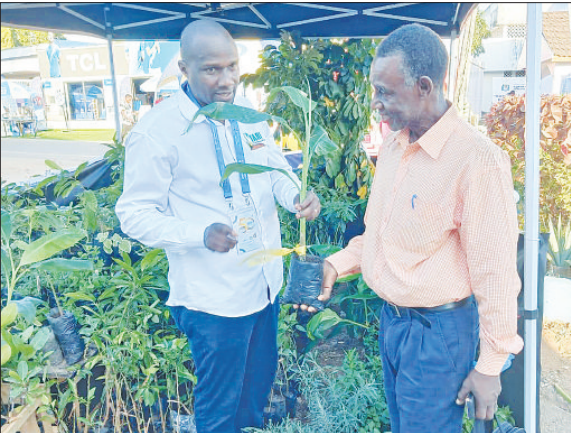
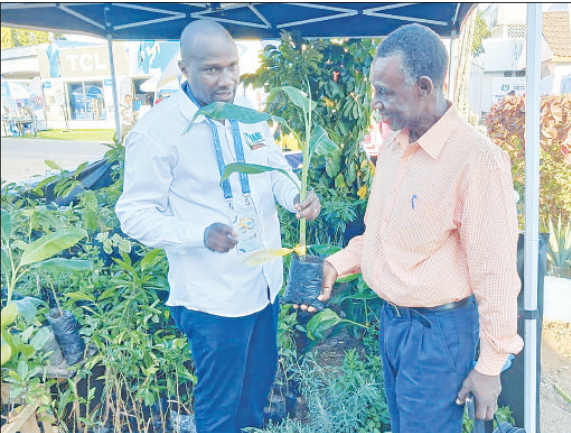
Pallangyo made the remarks while inviting the public to visit the Tanzania Agricultural Research Institute (TARI) booth at the Dar es Salaam International Trade Fair (DITF), popularly known as Sabasaba. He said the institute is showcasing a wide range of improved seedlings, including cloves, avocado, pears, bananas, cashew, and other high-value crops developed through scientific research.
“We are here at Sabasaba with seedlings of cloves, avocado, pear, bananas, cashew, and many others. Come and benefit from your institute,” he said.
He emphasised that all seeds and seedlings produced by TARI are based on rigorous scientific research aimed at ensuring they are suitable for different agroecological zones across Tanzania.
Promoting medicinal and nutritional value of spices
Pallangyo also highlighted the importance of spices and condiments in daily diets, noting that they not only enhance flavour but also carry medicinal properties. He encouraged increased use of spices in food and beverages, including tea, to improve both taste and health benefits.
He explained that scientific research has shown many spices contain natural compounds that support human health, making them valuable additions to regular diets.
Their aromatic properties also improve food quality, encouraging better consumption habits among households. Despite the availability of improved seed varieties, Pallangyo expressed concern that many farmers continue to rely on outdated and low-yielding seeds.
ALSO READ: Z’bar revenue jumps 41pc to 1.2tri/-
He said this practice limits productivity and prevents farmers from fully benefiting from advancements in agricultural research. He warned that continued use of traditional seeds reduces yields, increases vulnerability to pests and diseases, and ultimately affects farmers’ incomes. He urged farmers to shift toward improved varieties that have been tested and proven to perform better under local conditions.
According to him, bridging the gap between research and adoption remains one of the key challenges in transforming Tanzania’s agricultural sector.
Farmer’s experience as positive response to improved seedlings
One of the farmers who attended the TARI exhibition, Martin Mayengela from Chalinze in Bagamoyo District, Pwani Region, expressed satisfaction with the improved crops on display. He said he was impressed by the quality of seedlings produced by TARI and decided to purchase some for planting on his farm.
“I came here to buy banana and avocado seedlings to plant on my farm. I believe they will do very well,” he said. His experience reflects growing interest among farmers in adopting improved agricultural technologies as awareness of research-based farming continues to increase.
Bridging research and farming communities
Experts note that institutions such as TARI play a critical role in connecting scientific research with practical farming needs. By developing improved crop varieties and making them accessible to farmers, they help bridge the gap between laboratory innovation and field application.
This connection is essential for increasing agricultural productivity, especially in a country where a large portion of the population depends on farming for their livelihoods. Agriculture remains one of Tanzania’s most important economic sectors, contributing significantly to employment, food supply, and export earnings.
Improving productivity through better seeds and modern farming practices is therefore seen as a key strategy for national development. High-value crops such as bananas, avocados, cashew nuts, and spices also present strong opportunities for export markets, potentially increasing foreign exchange earnings and supporting rural development. The message from TARI underscores a broader national push toward modernising agriculture through science and innovation.
By encouraging farmers to adopt improved seeds and embrace research-based farming practices, experts believe Tanzania can significantly boost productivity and strengthen food security. As more farmers gain access to improved seedlings and knowledge, the agricultural sector is expected to become more resilient, profitable, and sustainable. Ultimately, the transition from traditional to research-driven farming holds the promise of transforming rural livelihoods and supporting long-term economic growth across the country.