
DAR ES SALAAM: By any measure, 37 years is a remarkable milestone. For MSI Tanzania, however, the anniversary is about far more than longevity.
It is about the millions of lives touched, the women who survived childbirth because they could plan their pregnancies, the young people empowered to make informed choices about their reproductive health, and the remote communities that now receive healthcare once considered beyond reach.
Yet as the organisation celebrates nearly four decades of service, it faces perhaps its greatest challenge: sustaining life-saving reproductive healthcare at a time when global donor funding is shrinking. Rather than retreating, MSI Tanzania is charting a different course, one built on innovation, partnerships and financial sustainability.
“We are celebrating 37 years of MSI’s presence in Tanzania and our contribution to reproductive health and family planning,” says MSI Tanzania Country Director Patrick Kinemo.
“Over the years we have recorded tremendous achievements and will continue working closely with the government, development partners and other stakeholders to ensure every woman and family can access quality reproductive healthcare.” His optimism comes with realism.
Across Africa, donor support that once financed large-scale health programmes has become increasingly uncertain. Organisations that relied almost entirely on external funding are being forced to rethink how they operate.
“There are significant challenges related to the availability of funding for healthcare programmes,” Mr Kinemo acknowledges. Instead of waiting for circumstances to improve, MSI has diversified its approach.
The organisation now combines donor support with revenue generated through hospitals, clinics and social marketing of reproductive health commodities. Women and families who are able to pay for services, or whose treatment is covered by health insurance, help finance free services for low-income and vulnerable communities. It is a model that blends social impact with financial sustainability.
ALSO READ: Over 2,000 livestock vaccinated in Monduli
“We provide services to paying clients and the surplus generated after covering operational costs is invested in services for people who cannot afford to pay,” Mr Kinemo explains.
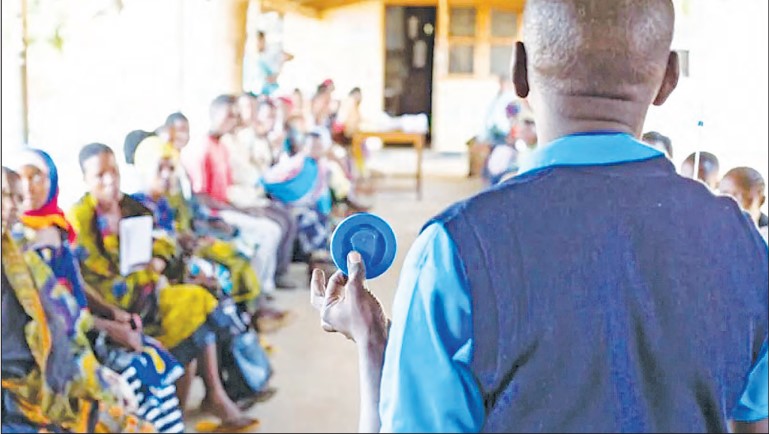
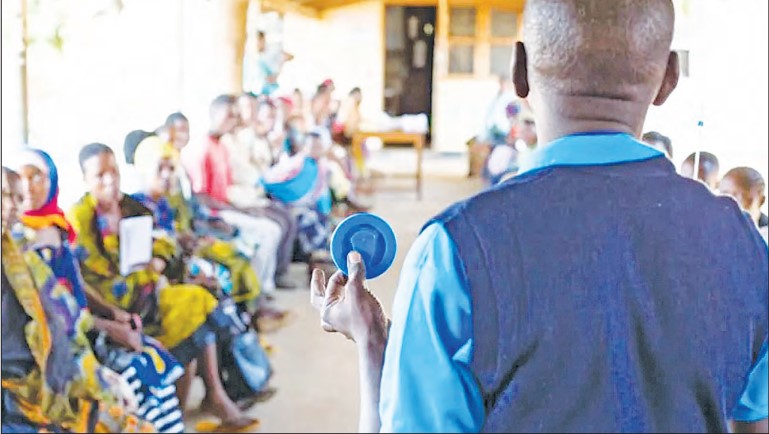
The approach also includes marketing family planning products, including contraceptives and condoms, while continuing mobile outreach services that take healthcare directly to remote villages where hospitals and clinics remain scarce.
For thousands of women living in rural Tanzania, quality healthcare does not begin inside a hospital. It arrives in a four-wheeldrive vehicle carrying nurses, doctors and medical supplies. These outreach clinics have become one of MSI’s defining contributions over the past three decades. Rather than expecting women to travel long distances, often at considerable cost and inconvenience, healthcare professionals travel to them.
The result is simple but profound, women receive family planning services and reproductive healthcare that might otherwise remain inaccessible. Behind every outreach visit lies a partnership. MSI provides transport, logistics and financial support, while government healthcare workers deliver services alongside the organisation’s teams.
For many communities, that partnership represents the only reliable access to reproductive healthcare. For beneficiaries, the impact extends far beyond medical treatment. In Kisarawe District, 29-year-old Neema (not her real name) recalls giving birth to her first two children within less than three years.
“It was difficult. I wanted to rest before having another baby, but I did not know much about family planning,” she says. Everything changed when an MSI-supported outreach team visited her village.
“They explained the different methods and allowed me to choose what was best for me. Now I can take care of my children properly and even run my small business. I feel healthier and more confident about the future,” says the mother of two.
Her experience mirrors those of countless women across Tanzania whose lives have been transformed simply by gaining access to information and services. According to MSI Board Chair Magreth Ngasani, family planning remains one of the country’s most effective tools for reducing maternal deaths.
“The government has made deliberate efforts to reduce maternal mortality and encouraging progress has been achieved. But these achievements have not come through government efforts alone. They have also been made possible through organisations working alongside us,” she says.
Research consistently shows that voluntary family planning enables women to safely space pregnancies, reducing pregnancy-related complications and improving the health of both mothers and children.
“Family planning is not only about preventing unintended pregnancies, it is also a life-saving intervention,” Ms Ngasani emphasises.
Beyond direct service delivery, MSI has invested heavily in strengthening Tanzania’s health system. Healthcare workers receive training in planning, budgeting and management, enabling health facilities to prepare effective annual operational plans and improve service delivery.
The result is stronger institutions capable of serving communities more efficiently and sustainably. In Njombe Region, Mariam, a mother of four, remembers travelling almost 40 kilometres to the nearest health facility whenever reproductive health services were needed.
“When the outreach teams started coming, everything became easier. We no longer spend an entire day travelling. We receive services near our homes. We are not alone anymore,” she says.
Healthcare workers describe similar changes. One district nurse says MSI’s logistical support has enabled government teams to reach villages previously visited only occasionally.
ALSO READ: Samia, El-Sisi broaden ties
“Without transport and outreach support, many women would still be waiting,” she says. For development partners, sustaining these gains has never been more important.
Speaking during the anniversary celebrations, the United Kingdom’s Foreign, Commonwealth and Development Office representative, Ms Getrude Mapunda, praised MSI’s determination to reach communities regardless of the obstacles. She recalled travelling with outreach teams through muddy roads to isolated villages where staff endured difficult conditions simply to ensure women and girls received life-saving healthcare.
“The change you have brought to the lives of countless women, young girls and young men is profound and remarkable,” she said.
She warned that progress in advancing women’s rights and reproductive healthcare cannot be taken for granted. Strong partnerships, supportive government policies and sustained investment remain essential. She also reminded the audience that sometimes relatively modest investments produce extraordinary results.
As Tanzania pursues universal health coverage and seeks to further reduce preventable maternal deaths, organisations such as MSI are demonstrating that sustainability is about more than funding.
It is about building partnerships that endure. It is about strengthening public health systems rather than replacing them. Above all, it is about ensuring that no woman is denied essential healthcare because of where she lives or what she can afford.
Thirty-seven years after opening its doors in Tanzania, MSI’s greatest achievement may not simply be the services it has delivered. It is the confidence it has given millions of women to make informed choices, protect their health and shape their own futures. That legacy continues, one village, one family and one life at a time.