
DAR ES SALAAM: SUCCESS stories often begin with impressive résumés: Master’s degrees from prestigious universities, international careers, boardroom appointments, awards and leadership positions. But every so often, you encounter a story that asks a deeper question: Where does greatness really begin?
For Renée Sinamtwa, a Senior Consultant in Corporate Secretarial Services in the United Kingdom and Rhona Sinamtwa, an environmental engineer and researcher advancing sustainable economic systems in Canada, the answer is remarkably simple. It began at home. Not in a wealthy household. Not in elite schools.
Not through privilege. It began with two parents who believed that character is a greater inheritance than wealth. Listening to Richard Sinamtwa reflect on the upbringing of his daughters, one truth emerges above all others: Nothing about their development was left to chance.
“My wife Regina and I made a deliberate decision very early that our daughters would never be limited by the circumstances into which they were born.” That single sentence captures a philosophy that is becoming increasingly rare. Many parents hope their children will become successful. Richard and Regina chose something far more intentional, they prepared them to become successful.
Long before university applications, international scholarships or professional careers entered the picture, they were shaping something even more important… mindset. They nurtured ambition while their daughters were still young.
They taught them to believe that the world was not reserved for other people’s children, it was waiting for theirs too. In many homes, conversations revolve around professions: Doctor, lawyer, engineer, business executive. But inside the Sinamtwa household, another conversation always came first: Integrity, humility, discipline, service and respect. In short, character came before career. Richard speaks passionately about one lesson he wanted his daughters to understand.
“Your name is your greatest asset. Degrees, careers and positions may come and go, but a reputation built on honesty, humility and respect will open doors that money never can.” That is more than parental advice. It is a philosophy of leadership. Today, Renée is recognised for strengthening corporate governance and promoting more inclusive workplaces. Rhona is contributing to global conversations on environmental sustainability and circular economies. Different professions. Different continents.
ALSO READ: Dodoma RC orders timely Nanenane preparations
The same values. Perhaps the most profound lesson from the Sinamtwa family is that children learn less from instruction than from observation. “Children rarely become what we tell them to be,” Richard says. “They become what they consistently see.” Renée independently confirms exactly that. When asked whether her parents demanded excellence, she replied: “What stood out was not pressure, it was example.” She remembers watching her mother excel in her legal career, often working late into the night to meet demanding deadlines while remaining deeply committed to her family.
She remembers her father building businesses with determination, demonstrating through action that hard work creates opportunity. Neither parent demanded perfection. Instead, they modelled discipline. Their daughters simply followed what they witnessed every day. If Richard cultivated discipline, Regina nurtured purpose. Renée recalls spending weekends accompanying her mother to charitable organisations.
Those experiences taught a lesson that has remained with her throughout her life: If you possess more than you need, someone else probably needs it more. Service was never presented as charity. It was presented as responsibility.
Even Renée’s decision to study law can be traced back to a conversation with her mother. As a little girl, she dreamed of becoming Tanzania’s first female President, not for prestige, but because she wanted to improve people’s lives.
Her mother gently replied, “The best politicians are often lawyers.” One sentence. One conversation. A lifetime redirected. Richard taught another equally powerful lesson: Success is earned. Renée smiles as she recalls one of her father’s favourite stories. After buying a BMW convertible, he proudly told his daughters, “This is what hard work looks like.” The car was never the lesson.
The discipline behind it was. Good grades earned meaningful rewards. Summer holidays reflected effort. Even their first mobile phones were linked to academic commitment, not because achievement was everything, but because effort mattered. The message was unmistakable: Discipline creates opportunity. One sentence from Richard may explain why two daughters from Tanzania now thrive on the global stage.
“The world is not reserved for other people’s children; it is also waiting for ours.” That belief changes everything. Many talented young Africans possess exceptional ability but hesitate because they doubt they belong. Richard and Regina deliberately dismantled that mental barrier long before their daughters boarded international flights.
They encouraged curiosity, reading, asking questions, learning from different cultures and seeing the world not as something to admire from afar, but as a place where they could make meaningful contributions. Today, Renée works in one of the world’s leading financial centres. Rhona conducts research that shapes sustainability discussions across continents.
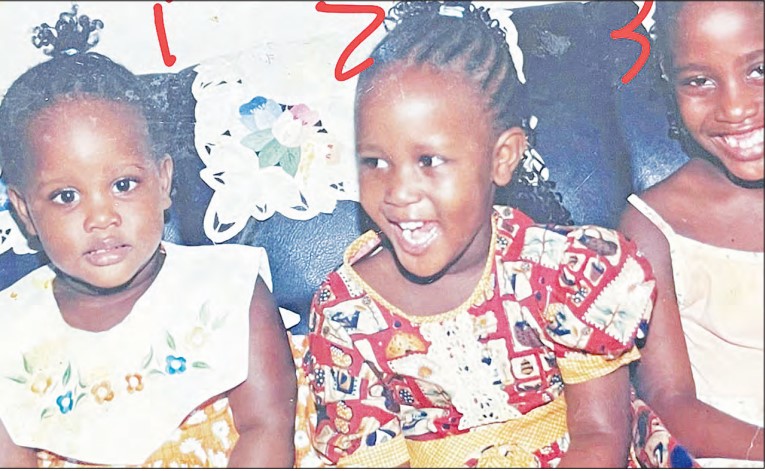
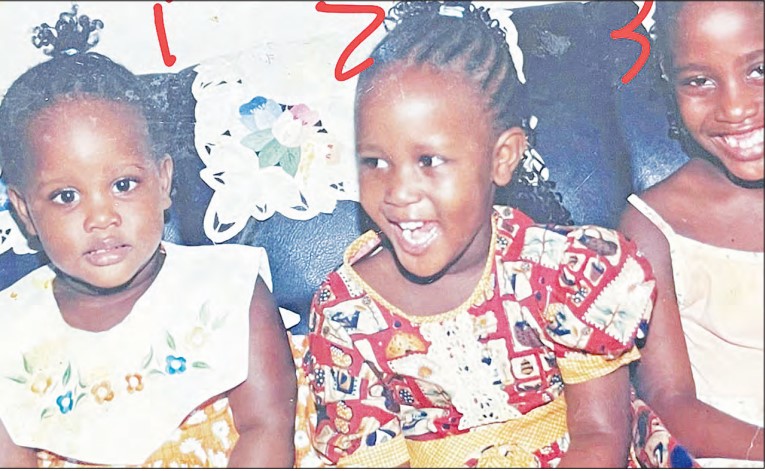
Neither appears intimidated by global spaces. They were raised to see themselves as citizens of the world while remaining proudly Tanzanian. One of the most moving aspects of Richard’s reflections is his refusal to claim personal credit. Instead, he speaks about family, his wife Regina and their eldest daughter, Rafaella. Together, the sisters became affectionately known as “The Three Rs.” Richard explains that he and Regina intentionally nurtured unity among them.
Whether attending church, sharing sleepovers or navigating everyday challenges, the sisters learned to encourage, protect and celebrate one another. Rafaella naturally embraced the role of mentor and role model. Success was never viewed as an individual accomplishment. It was always a family project. In a world increasingly shaped by individualism, that commitment to togetherness is both refreshing and deeply inspiring.
ALSO READ: NSSF urges employers to seize penalty waiver
Perhaps Richard’s most powerful lesson concerns wealth itself. He challenges conventional definitions. “Creating value for others is, in itself, a lasting form of wealth.” In other words, success cannot be measured solely by income, possessions or professional titles.
Real wealth is reflected in lives transformed, communities strengthened, institutions improved and future generations inspired. It is no coincidence that both daughters have chosen careers rooted in public value. Renée strengthens governance and workplace inclusion. Rhona advances environmental sustainability.
Different disciplines. The same purpose. Ultimately, the Sinamtwa story is not simply about raising successful daughters. It is about raising responsible citizens.
It reminds us that greatness does not emerge overnight. It is cultivated through thousands of deliberate, everyday decisions. A mother who teaches generosity.
A father who models discipline. Parents who demonstrate integrity. A family that celebrates effort more than entitlement. Sisters who lift one another instead of competing. Faith that shapes conduct. Humility that tempers ambition. Curiosity that never stops learning. Together, these become the invisible architecture of leadership.