
DAR ES SALAAM: TANZANIA is stepping up efforts to secure a larger share of the rapidly expanding global carbon market, with the National Carbon Monitoring Centre (NCMC) tasked to strengthen governance, attract green investment and maximise benefits from the country’s natural resources.
Permanent Secretary in the Vice-President’s Office (Union and Environment), Dr Richard Muyungi, said the country must transition from being a mere participant to a leading player in the carbon market by building credible systems that support high-integrity carbon projects.
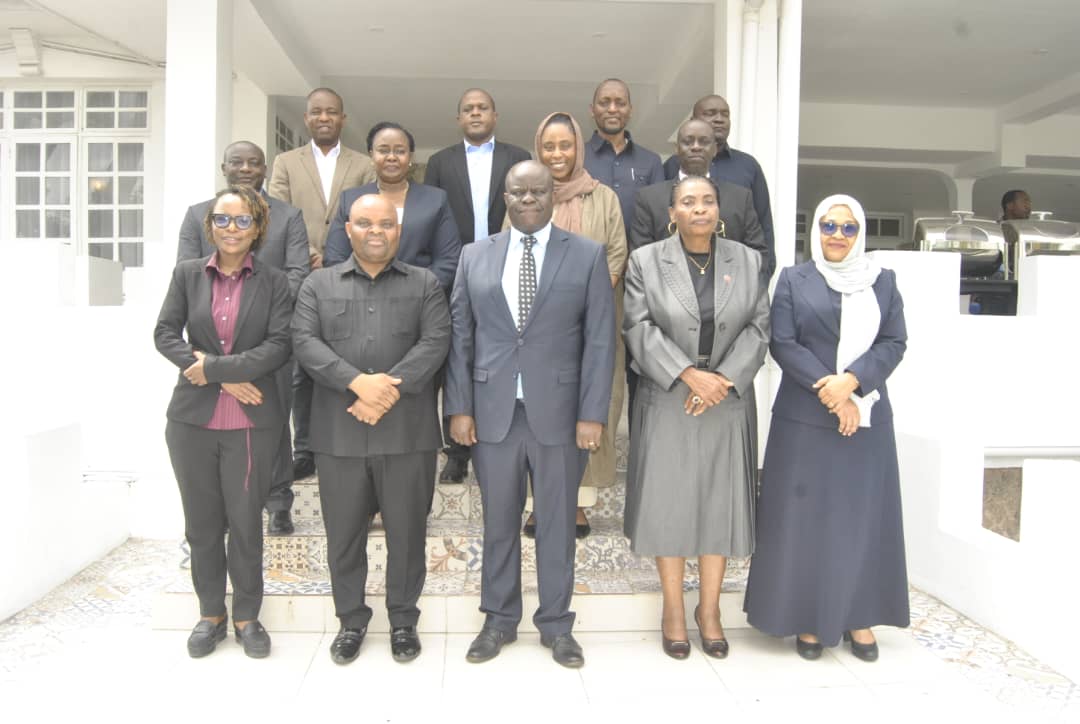
Speaking during the first Board of Directors meeting of the NCMC for the 2026/2027 financial year held in Dar es Salaam yesterday, Dr Muyungi said the growing carbon economy presents a strategic opportunity to boost national revenues while advancing climate change mitigation efforts.
“Our challenge now is not merely to participate in carbon markets, but to lead them,” he emphasised.
He noted that the global carbon market is currently valued at over 107 billion US dollars annually, with Africa projected to generate about six billion US dollars each year by 2030 if it fully harnesses available opportunities.
Dr Muyungi said Tanzania is well-positioned to benefit from the sector due to its vast forests, wetlands, and coastal and marine ecosystems, as well as opportunities in clean energy and climate-smart agriculture.
He revealed that the country has so far registered 99 carbon projects, with more than 13.4 million carbon credits already issued. However, he cautioned that Tanzania is yet to fully realise the economic value of these initiatives.
“These achievements do not reflect the full benefits we expect from the carbon sector. We need to ensure that projects move into implementation and start generating tangible value for the nation and communities,” he said.

He challenged the NCMC to strengthen carbon project registration systems, accelerate implementation of Article 6 mechanisms under the Paris Agreement and improve Measurement, Reporting and Verification (MRV) systems to enhance transparency and investor confidence.
Dr Muyungi also underscored the importance of ensuring equitable distribution of benefits from carbon projects, particularly to local communities, while building local capacity across the carbon value chain.
“Tanzania must establish a carbon market system that attracts investment, safeguards environmental integrity and guarantees citizens benefit from the opportunities created,” he stressed.
He added that effective management of the carbon sector will support the implementation of the National Development Vision 2050 by increasing government revenue, attracting green investments, strengthening climate resilience and promoting sustainable economic growth.
The Permanent Secretary further directed the Centre’s management to prioritise completion of key operational systems, including improving the Carbon Registry, submitting the Centre’s Strategic Plan and strengthening institutional frameworks.
He also called for a comprehensive report on all registered carbon projects and those that commenced implementation between January and July 2026, detailing their progress, investment levels and expected national benefits.
Dr Muyungi urged the Board and management to uphold professionalism, integrity and accountability, noting that strong leadership will be crucial in ensuring Tanzania secures meaningful gains from the global carbon economy.
NCMC Board Chairperson, Dr Albina Chuwa, pledged to implement the directives and intensify public awareness on carbon trade, alongside strengthening governance in the sector.