
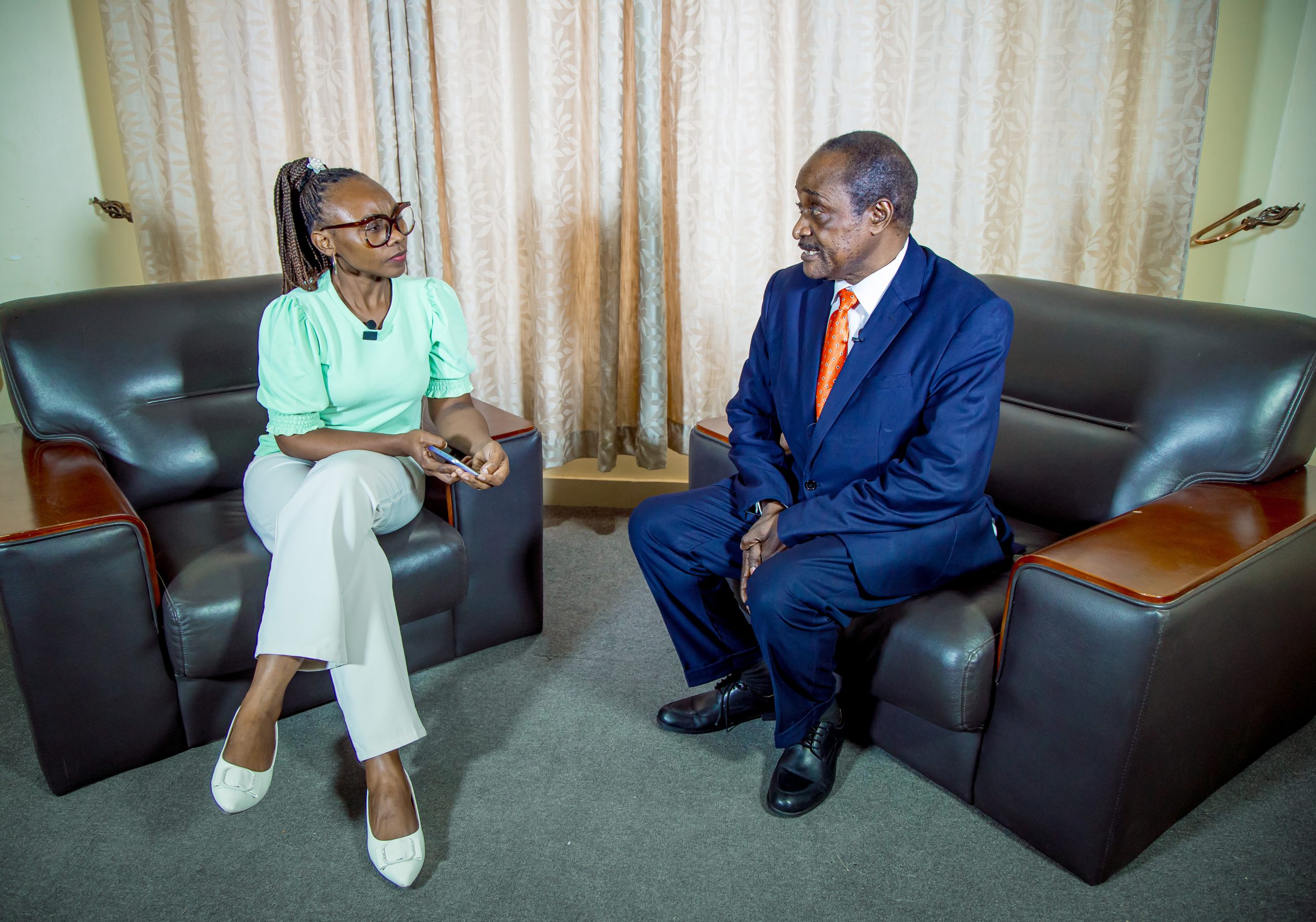
DAR ES SALAAM: TANZANIANS have been urged to reject any actions that threaten peace and instead work collectively to safeguard the stability that has enabled the country to pursue social and economic development.
Political, reconciliation and peace analyst, Dr Dennis Mwichongozi, made the statement in Dar es Salaam noting that peace remains the foundation upon which economic growth, investment and national progress are built, warning that instability can reverse development gains.
“Peace is everyone’s responsibility. Leaders, citizens, young people, religious institutions and the private sector all have a role to play in protecting the peace that allows the country to develop,” he said.
Elaborating, Dr Muchunguzi stated that Tanzania’s reconciliation efforts, particularly the recent agreement between Chama Cha Mapinduzi (CCM) and ACT-Wazalendo in Zanzibar, demonstrate the importance of dialogue in resolving differences and maintaining national harmony.
He explained that peace does not mean the absence of disagreements, but the ability of people and institutions to address challenges through dialogue, understanding and compromise.
“Countries will always face political, economic and social challenges. What matters is how societies manage those differences,” he said.
According to the analyst, a peaceful environment allows communities, businesses and institutions to operate effectively, while creating conditions for faster implementation of development programmes.
He said the benefits of peace are felt directly by citizens through stronger social relations, increased economic opportunities and improved delivery of public services.
Dr Muchunguzi pointed to experiences from Kenya, Zimbabwe, South Africa and Rwanda, saying reconciliation and peace-building processes in those countries helped restore stability and support national recovery after periods of tension where he called on Tanzanians to continue promoting a culture of dialogue and peaceful conflict resolution, saying the country’s stability is a shared responsibility.
ALSO READ: Tanzania, Japan affirm cooperation in conserving UNESCO’s World Heritage sites
“Without peace, people cannot work together effectively. Stability creates an environment where everyone can contribute to building the nation,” he said.
Meanwhile, Dr Muchunguzi said Tanzania has demonstrated that African countries have the capacity to resolve their own challenges through dialogue, unity and home-grown solutions.
Speaking with the Daily News in Dar es Salaam, he said the Zanzibar’s reconciliation process sends a strong message to Africa and the international community that Tanzania is capable of managing its affairs without external intervention.
He said the agreement between CCM and ACT-Wazalendo shows Tanzania’s commitment to addressing political differences peacefully and strengthening national unity.
“The message we are sending to Africa and the world is that Tanzania has the capacity and willingness to solve its own problems. We can handle our reconciliation issues locally and nationally,” he said.
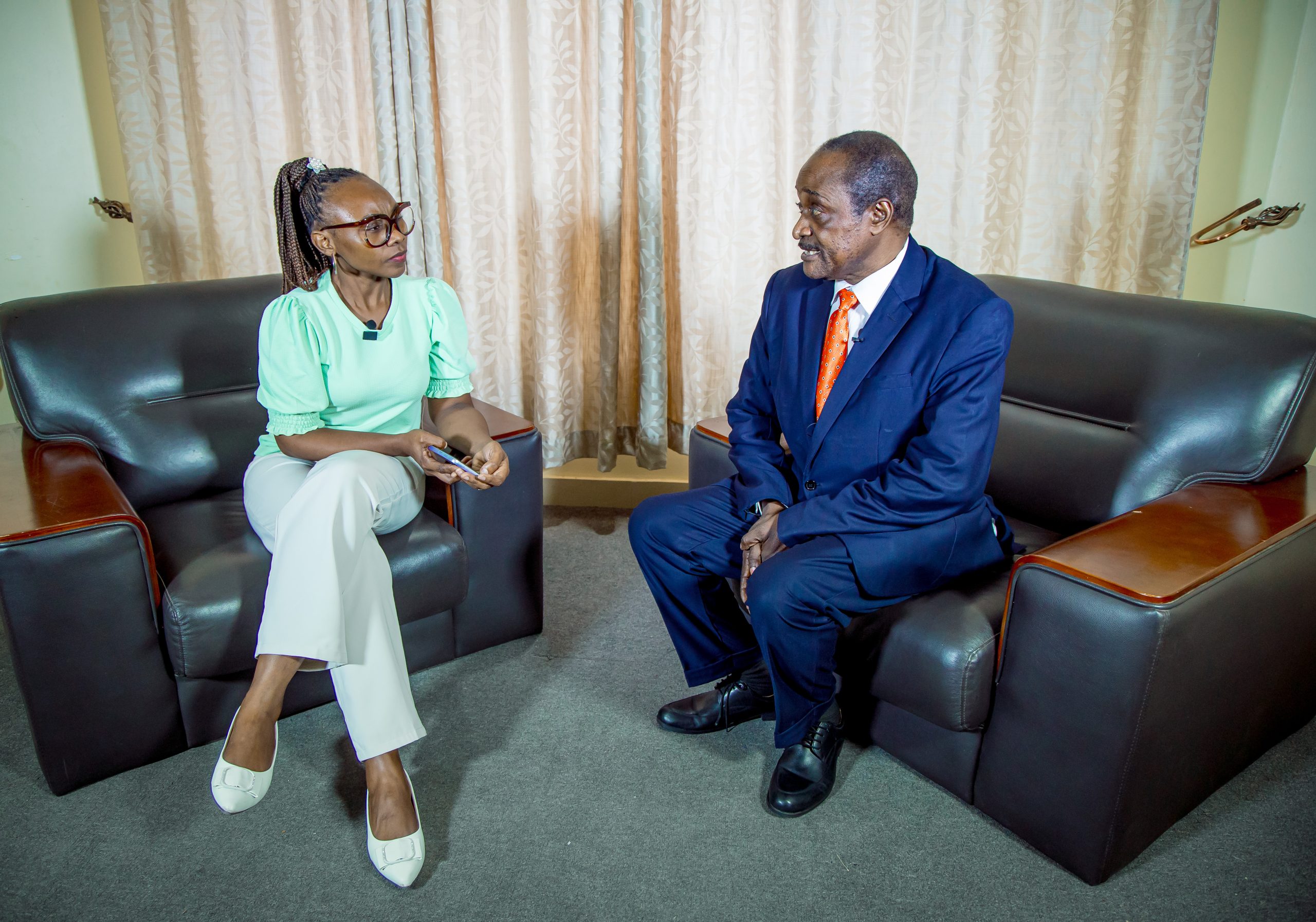
The analyst said Tanzania’s experience should encourage other African countries facing political challenges to embrace dialogue rather than confrontation.
He cited reconciliation experiences in Kenya, Zimbabwe, South Africa and Rwanda as examples showing that nations can overcome difficult situations through cooperation.
Moreover, he also congratulated President Samia Suluhu Hassan for demonstrating leadership by promoting dialogue and standing firm against individuals seeking to disrupt peace and stability in the country.
He said the President’s approach reflects strong leadership because protecting national unity requires courage and the ability to make difficult decisions.
“President Samia has shown that leadership is about bringing people together. Those who think reconciliation is a weakness misunderstand leadership. Building bridges requires strength and wisdom,” he said.
He further praised the President’s commitment to the Four Rs agenda, Reconciliation, Resilience, Rebuilding and Reform, saying it provides a foundation for addressing challenges and moving the country forward.
He said attempts by some groups to undermine reconciliation and create divisions should not distract Tanzania from its development path.
“Tanzania should not allow people who want to create instability to derail its progress. The country has shown that it can resolve issues through dialogue and unity,” he said.
ALSO READ: Analyst hails the CCM-ACT-Wazalendo reconciliation as a symbol of political maturity
Dr Muchunguzi said the planned national reconciliation process should involve all Tanzanians, including political parties, civil society organisations, religious groups, private sector players, youth, women and other stakeholders.
“Zanzibar has shown the way. Tanzania has the capacity, the willingness and the desire to reconcile and continue building a stronger nation,” he said.