
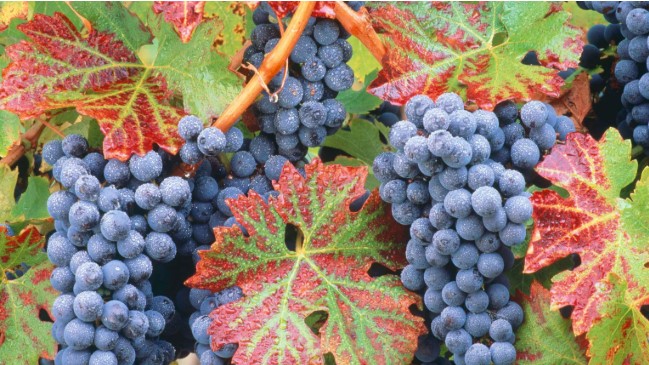
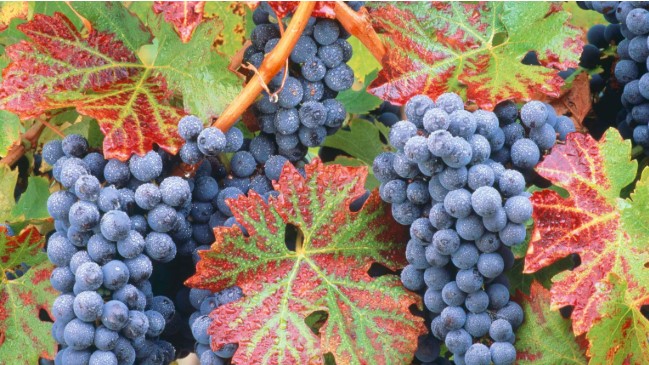
DODOMA: WHEN Beatrice Temu planted her first five acres of grapes, few imagined the vineyard would one day grow into one of Dodoma’s most ambitious wine businesses. Today, the entrepreneur is helping shape Tanzania’s wine industry while creating opportunities for hundreds of farming families.
Her journey reflects what determination, patience and vision can achieve. What began as a small farming venture has grown into Zuchi Vineyard, one of the country’s expanding wine producers, working with more than 300 grape farmers and steadily positioning Tanzanian wine for regional and international markets.
For Ms Temu, success did not begin in a vineyard, like many professionals, she spent years in formal employment before deciding it was time to pursue a different path. Looking for an opportunity to build something of her own, she turned to agriculture.
Since Dodoma is widely known as Tanzania’s grape-growing heartland, grape farming appeared to be the perfect place to begin.
“After leaving employment, I started looking for opportunities to venture into business. Agriculture became that opportunity. Since Dodoma is well known for grape production, I was inspired to start grape farming,” Ms Temu says. She started modestly, cultivating grapes on five acres and selling fresh produce to the market. As demand continued to grow, so did her ambitions.
Today, her vineyards cover nearly 315 acres.
“I started with five acres. Today, I am approaching nearly 315 acres of grape farms. Beyond my own farms, we also work closely with more than 300 grape farmers who supply grapes to our processing facilities,” she says.
Her remarkable growth mirrors the transformation taking place within Dodoma itself. Grapes were first introduced to the region by Catholic missionaries in 1938, and over the decades Dodoma has become the country’s leading grape-producing region, accounting for more than 70 per cent of Tanzania’s grape production. Yet for Ms Temu, producing quality wine begins long before grapes reach the factory.
“Many people can establish a winery, but what makes your wine unique is the quality of your grapes. That is why we say good wine starts in the vineyard,” she says.
That philosophy has shaped the way Zuchi Vineyard operates, rather than relying entirely on purchased grapes, the company invested in managing the production process from the vineyard to the bottle, giving it greater control over quality at every stage.
“We started from the farm because we wanted to ensure quality from the very beginning. Many farmers stop at producing grapes and selling them as fruit. But when you produce wine from grapes that you have personally cultivated and managed, you understand every stage of production and can guarantee quality,” Ms Temu said.
As the business expanded, so too did competition.
Only a few years ago, Dodoma had a handful of wineries. Today, nearly 40 wine-processing facilities operate in the region, reflecting growing confidence in Tanzania’s wine industry. Rather than viewing that growth as a threat, Ms Temu sees it as evidence that more people are recognising the potential of locally produced wine.
“People are beginning to appreciate wine more than before. What we encourage Tanzanians to do is support local products because Dodoma produces excellent-quality wine that can compete with imported brands,” she says.
Beyond producing wine, she believes the greatest achievement lies in the lives touched through the business.
“Our work has touched entire families. Grape farming is a family enterprise. Fathers, mothers and young people all participate,” she says.
ALSO READ: Discover why Zanzibar attracts global investors
She adds that women have particularly benefited through their involvement in both grape farming and value addition. Working with hundreds of outgrowers has also created reliable markets for farmers, helping strengthen household incomes while contributing to the local economy. Like any growing industry, however, challenges remain.
One of the biggest is the limited number of grape varieties available for cultivation in Tanzania.
“Compared to other wine-producing countries, we have very few grape varieties. Most of us rely heavily on Makutupora grapes. If we want to improve wine quality and produce different wine styles, we need more grape varieties,” she says.
She also believes sustainable farming practices will be essential for the industry’s future. Improving vineyard management, expanding organic farming practices and reducing excessive chemical use, she says, will help produce healthier grapes and higherquality wines.
Once harvested, every batch of grapes undergoes careful quality assessment before processing begins. Sugar levels are tested, the grapes are crushed to extract juice and fermentation follows under controlled conditions to ensure the final product meets quality standards. Ms Temu also hopes more consumers will better understand how wine is produced.
“Wine is a fermented product. Fermentation naturally produces alcohol, but we follow standards and regulations to ensure that alcohol levels remain within approved limits,” she explains.
Compliance with standards set by the Tanzania Bureau of Standards has helped strengthen consumer confidence while supporting the industry’s continued growth. Recognition has also followed her achievements. Earlier this year, she received the Malikia wa Nguvu in Agriculture, Business and Industry 2026 award, an honour she describes as one of the proudest moments of her career.
“Winning that award was a very special experience for me. It was my first time being featured widely in the media, my first major interview, my first time standing on a big stage and seeing such a huge crowd. It was an exciting and humbling moment,” she recalls.
The recognition has encouraged the company to think even bigger.
“We started as a small local company, but now we are investing in modern machinery and advanced processing technology. Our vision is no longer limited to Tanzania—we are preparing for international markets,” she says.
Her confidence is shared by many who believe Tanzania’s wine industry is entering a new chapter. With expanding vineyards, growing consumer appreciation and increasing investment in quality production, local wines are steadily earning recognition beyond the country’s borders.
For Beatrice Temu, the journey from five acres to one of Dodoma’s growing wine enterprises demonstrates that agriculture is not simply about cultivating crops. It is about creating opportunities, supporting farming families and showing that with vision, persistence and a commitment to quality, Tanzanian businesses can compete on the global stage.
“We have already proven that quality wine can be produced in Tanzania,” she says. “The next step is to show the world what Tanzanian wine can achieve.”