
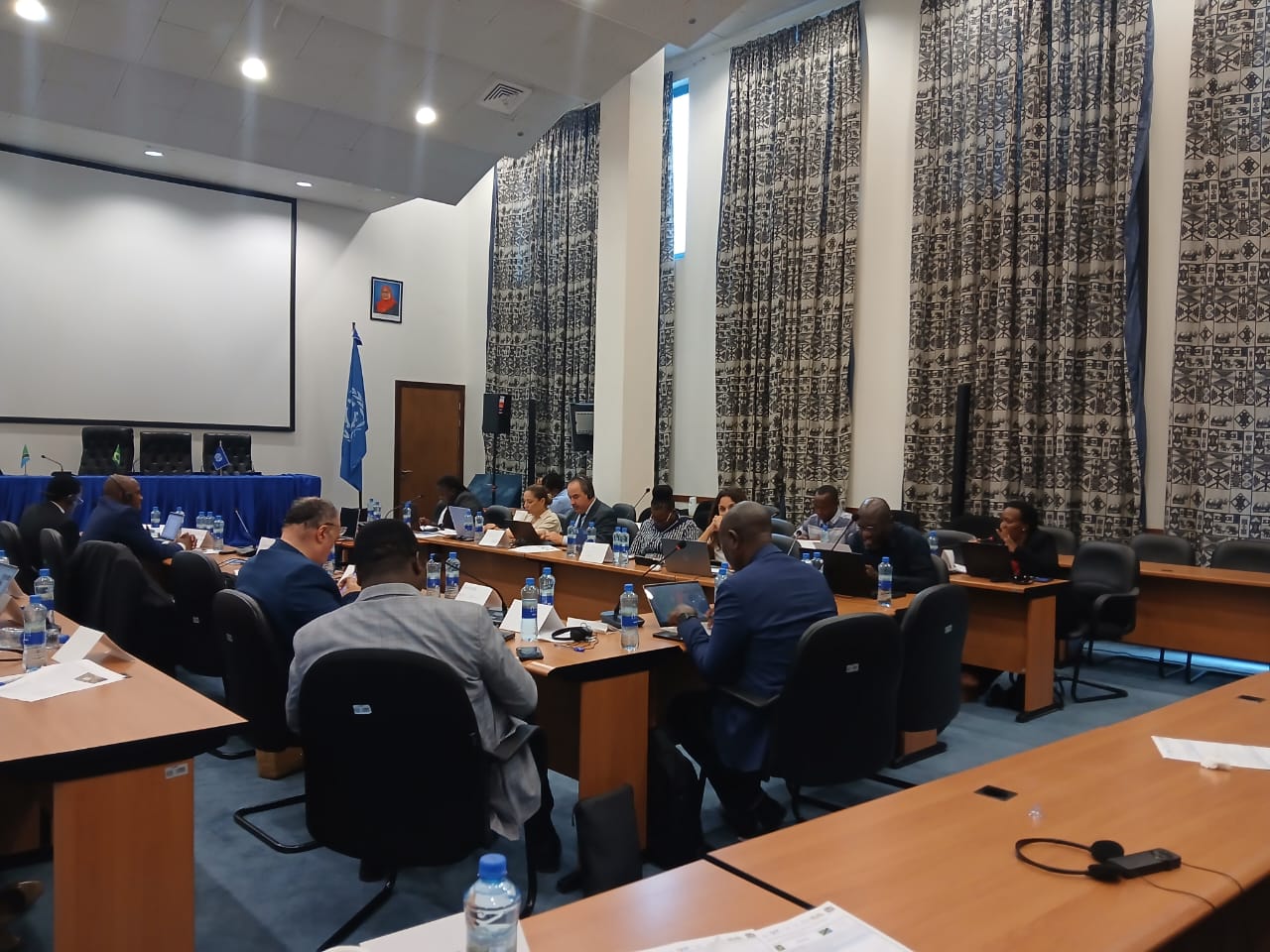
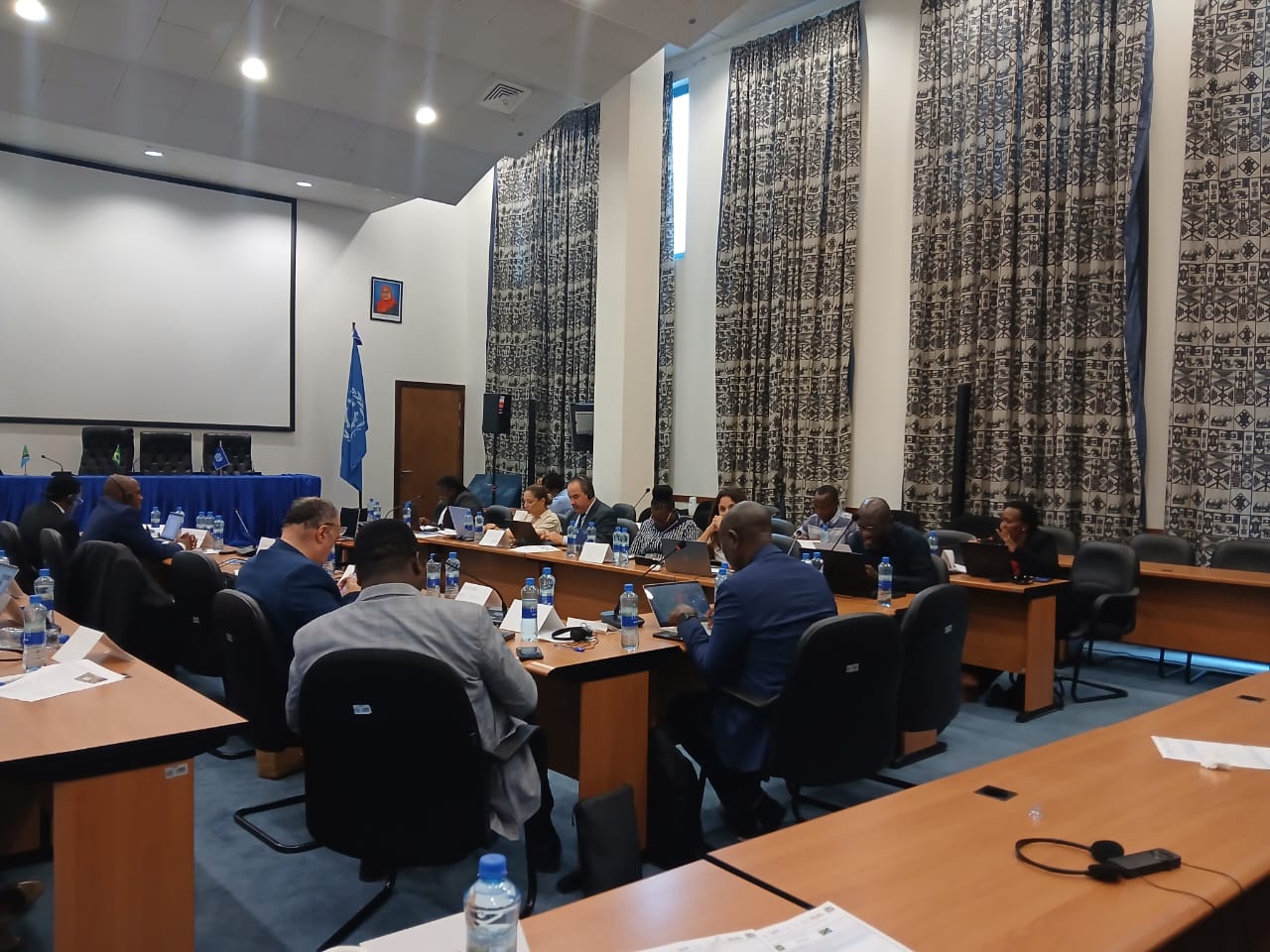
DAR ES SALAAM: THE Cotton with Decent Work project, implemented through cooperation between the governments of Tanzania and Brazil, has continued to register significant achievements in the fight against child labour while also strengthening occupational safety and health and expanding social protection services for communities engaged in cotton farming.
Speaking recently in Dar es Salaam during a three-day meeting focused on combating child labour in cotton farming through the Cotton with Decent Work project coordinated by the International Labour Organization (ILO), ILO Programme Officer Noreen Toroka said the initiative has made notable progress since its launch.
She explained that the project began in January 2025 and is expected to conclude in December 2026. Its primary objective is to strengthen the capacity of public institutions, workers’ unions, and employers’ organizations to develop and implement policies aimed at eliminating child labour in the cotton sector.
According to Toroka, the project focuses on improving labour inspection systems, promoting occupational safety and health (OSH), and expanding access to social protection services as key strategies to prevent children from engaging in work that threatens their well-being.
She noted that Meatu District in Simiyu Region was selected as the main implementation area because of its significant contribution to Tanzania’s cotton production. Statistics indicate that during the 2021/2022 farming season, Simiyu accounted for approximately 61 percent of the country’s total cotton production, with Meatu ranking among the highest-producing districts while also facing challenges related to child labour.
During the implementation period, officials from the Prime Minister’s Office responsible for Labour, Youth, Employment and Persons with Disabilities (PMO-LER), together with representatives from OSHA, participated in exchange programmes in Brazil alongside participants from Belize, Suriname, Colombia, Ethiopia, Peru, and Uganda.
The training covered child labour issues, labour inspection, occupational safety and health, and fundamental labour rights. Knowledge gained through this cooperation has helped improve various activities in Tanzania, including training labour inspectors, conducting social protection studies, providing psychosocial support services, and enhancing safety across the cotton value chain.
Toroka further stated that the project has successfully carried out special labour inspections in cotton-producing areas during the 2024 and 2025 harvesting seasons. The inspections began in Meatu District before being expanded to Shinyanga and Mwanza regions.
Through these inspections, 30 Agricultural Marketing Cooperative Societies (AMCOS) and four cotton-processing factories received training on the dangers of child labour, employers’ responsibilities, and the importance of occupational safety and health. Farmers and cooperative leaders were also educated on protecting children from hazardous work and maintaining safe working environments.
Meanwhile, Fernanda Barreto, Head of ILO’s South-South Cooperation Programme from Brazil, said Tanzania and Brazil have continued to strengthen their partnership in combating child labour and improving social protection systems through the joint project coordinated by the ILO.
She said the project has enabled both countries to engage in in-depth discussions on child labour challenges and ways to strengthen social protection for people working in various productive sectors.
Barreto noted that Tanzania has made significant progress through the project, including developing a national strategy to eliminate child labour and implementing awareness campaigns aimed at educating communities about the harmful effects of the practice.
“We have been in Tanzania for one week discussing child labour and social protection issues. We are encouraged by the progress achieved, particularly in the preparation of a national strategy to eliminate child labour and the awareness campaigns conducted in different areas,” Barreto said.
She added that the project has also created a platform for dialogue between Tanzania and Brazil on how to expand social protection systems that can effectively reach farmers and agricultural workers who often face economic and social challenges.
ALSO READ: Tanzania joins global institutions in a renewed fight against child labour
According to Barreto, project evaluations indicate that many of the objectives set at the beginning have been successfully achieved, prompting the Tanzanian Government to express interest in extending the cooperation into another phase.
“We have received a request from the Government of Tanzania to further expand this project. The Government of Brazil will hold consultations to determine the best way to continue these activities through trilateral cooperation involving Brazil, ILO Tanzania, and the labour ministries of both countries,” she said.