
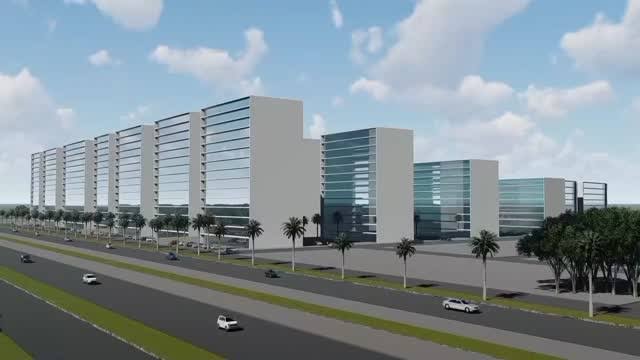
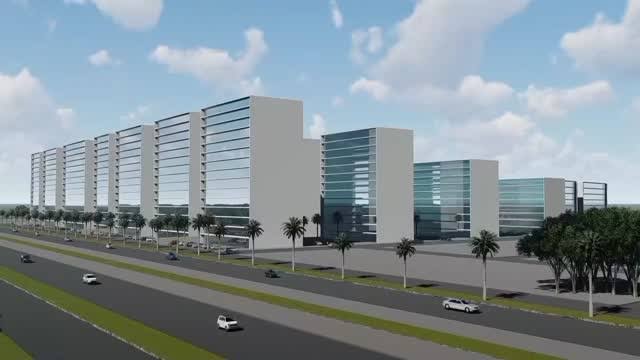
DAR ES SALAAM: SINZA, one of Dar es Salaam’s densely populated residential suburbs, has been designated for a major 20-year redevelopment programme that will transform it into a mixed-use urban hub for housing, commerce, and investment under a government plan running from 2026 to 2046.
Information made available to this journalist from the Ministry of Lands, Housing and Human Settlements indicates that the area has been “designated as part of the development corridor of Dar es Salaam City as a strategic measure to address rapid urban population growth, increasing economic activities and rising development needs.”
Eleuteri Mangi, Director of Government Communications at the ministry responsible for land, housing, and human settlements said in a public notice that the plan, known as the Sinza Area Redevelopment Plan (2026–2046), positions the neighbourhood for higher-density development and upgraded infrastructure aligned with national urban growth priorities.
The notice links the initiative to the country’s long-term development framework, stating that “Vision 2050 provides a clear direction for transforming Tanzania into an inclusive nation with a modern knowledge-based economy driven by technology, urban competitiveness, and a high-quality living environment that contributes to security, stability, and economic growth. This plan forms part of the implementation of these national aspirations.”
According to Mangi, Sinza’s transformation reflects a broader trend of urban redevelopment already seen in parts of Dar es Salaam, including Posta, Kariakoo, Upanga, and Masaki, where low-density residential areas have gradually shifted to mixed-use developments and intensified commercial activity. The government notes that “the concept of urban redevelopment is not new in Tanzania,” adding that such changes have historically increased land value and improved economic productivity in key city zones.
It is further stated that “the current value of land in Sinza does not adequately reflect the level of investment or development that has taken place, making this redevelopment plan essential for the prosperity of Sinza and its residents.”
The government has stressed that residents and landowners will remain central to the planning process. “The residents and landowners of Sinza are the primary stakeholders in this initiative. For this reason, they continue to be involved in all stages of the preparation of the redevelopment plan,” the public notice states.
It adds that public awareness and stakeholder consultations are ongoing from street level upwards to ensure community participation in the process.
Urban planners say the move comes amid mounting pressure from rapid urbanisation in Dar es Salaam, where infrastructure, housing, and land-use systems continue to lag behind population growth.
According to UN-Habitat assessments, sub-Saharan Africa is experiencing some of the fastest urban growth globally, with Dar es Salaam projected to nearly triple in population by 2050 under current trends, increasing pressure on housing, transport, and drainage systems.
World Bank urban development studies similarly indicate that planned densification of centrally located suburbs can improve land efficiency and infrastructure use while reducing urban sprawl, particularly when paired with inclusive planning and compensation mechanisms.
The government has also cautioned against misinformation surrounding the redevelopment process, urging citizens to remain vigilant against false information spread by individuals who do not have the best interests of Sinza residents and the nation at large.
If implemented as planned, the Sinza redevelopment programme is expected to mark one of the most significant urban transitions in the area’s history, reshaping it from a largely residential suburb into a strategic growth node within Dar es Salaam’s expanding urban corridor.