
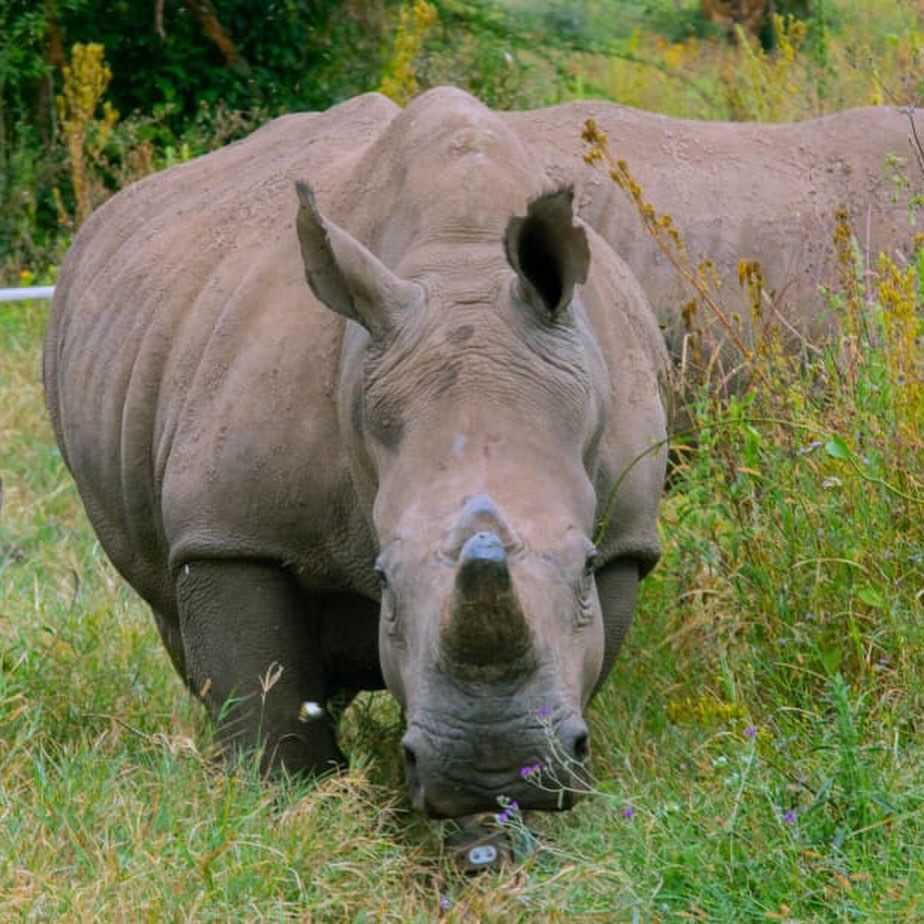
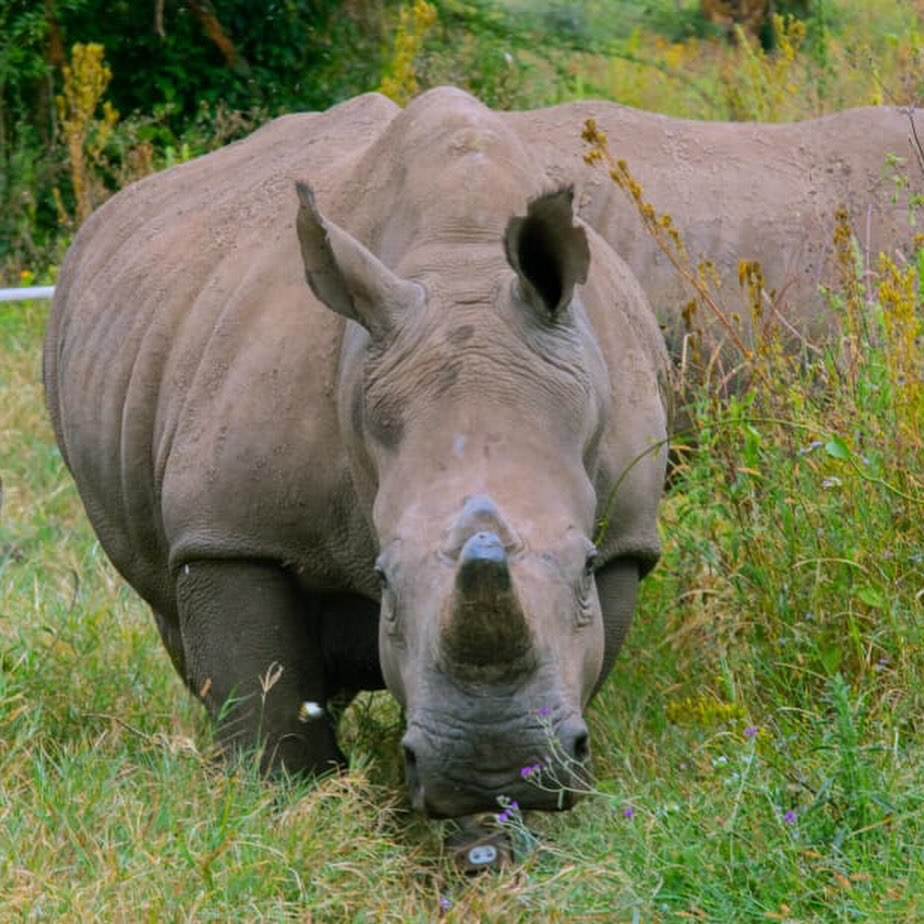
NGORONGORO: THE Tanzanian government affirmed its commitment to protect white rhinos, which face the threat of extinction, through the implementation of a Strategic White Rhino Conservation Project aimed at enhancing research, conservation, and wildlife education across the country.
The statement was made by Deputy Minister for Natural Resources and Tourism, Hamad Hassan Chande, during a special ceremony to release 17 white rhinos from a protected enclosure into a wider conservation area within the Ngorongoro Conservation Area. The project is funded by AndBeyond in partnership with the Government of South Africa.
Chande described the initiative as a significant step toward strengthening wildlife conservation while creating opportunities for researchers, students, and other conservation stakeholders to gain knowledge and practical experience in white rhino conservation.
“This project has been designed with great innovation and offers substantial benefits to the country’s development. Its objective is to promote research, strengthen conservation efforts, and provide education. Many people from different parts of the world, including students and experts, will come to learn through these rhinos,” Chande said.
The Deputy Minister also commended President Samia Suluhu Hassan for her contribution to advancing natural resource conservation efforts in Tanzania. He further expressed gratitude to the South African government for its cooperation in making the project a success.
ALSO READ: Why white rhinoceros roamed freely at Ngorongoro
Speaking on behalf of the Permanent Secretary of the Ministry of Natural Resources and Tourism, the ministry’s Director of Wildlife, Dr. Alexander Lobora, said the release of the rhinos from the fenced sanctuary would allow them to access a larger grazing area while remaining protected through advanced wildlife monitoring systems within the conservation area.
Dr Lobora noted that the government is ready to receive additional white rhinos under the second phase of the project, following the experience and successes achieved during the initial phase.
“The tourism and conservation sector as a whole is prepared to receive more rhinos in the second phase. We have learned valuable lessons from the implementation of the first phase, and the primary goal of this project is to strengthen the conservation of endangered species in line with international agreements that Tanzania has ratified,” he said.
The project is part of broader international efforts to protect wildlife species facing the risk of extinction. Tanzania continues to work with both domestic and international partners to strengthen the conservation and sustainable management of its natural resources.