
DAR ES SALAAM: THE World Health Organization (WHO) Regional Director for Africa, Prof Mohamed Janabi, has stressed the importance of rapid patient monitoring and investment in health systems as key pillars of controlling Ebola in Africa.
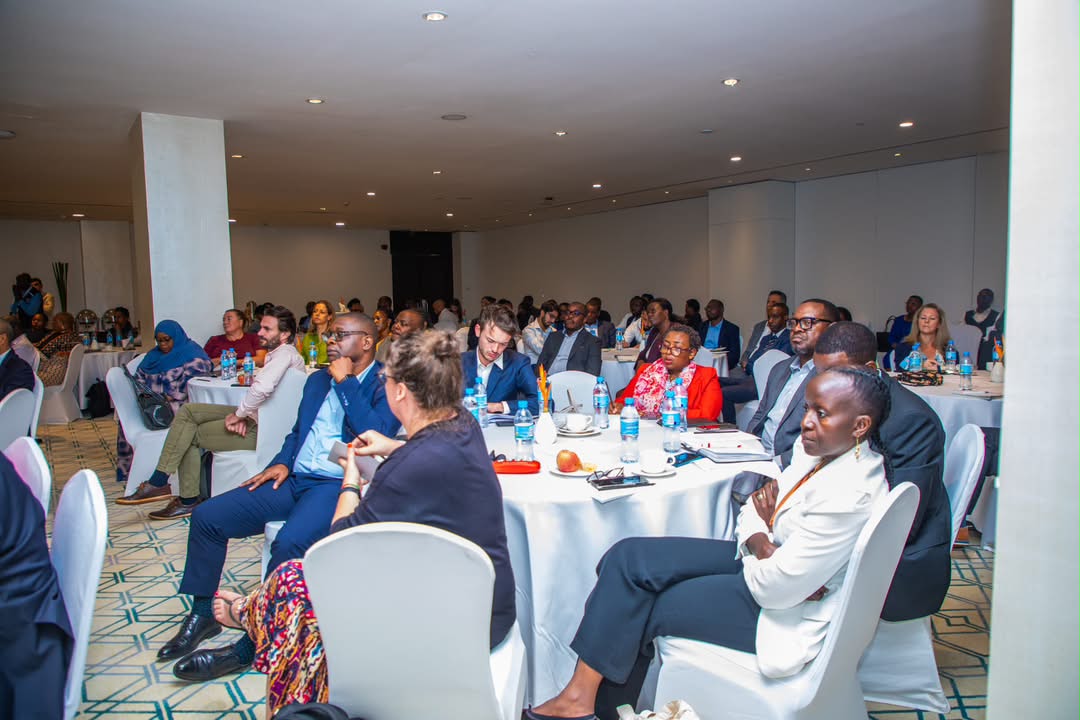
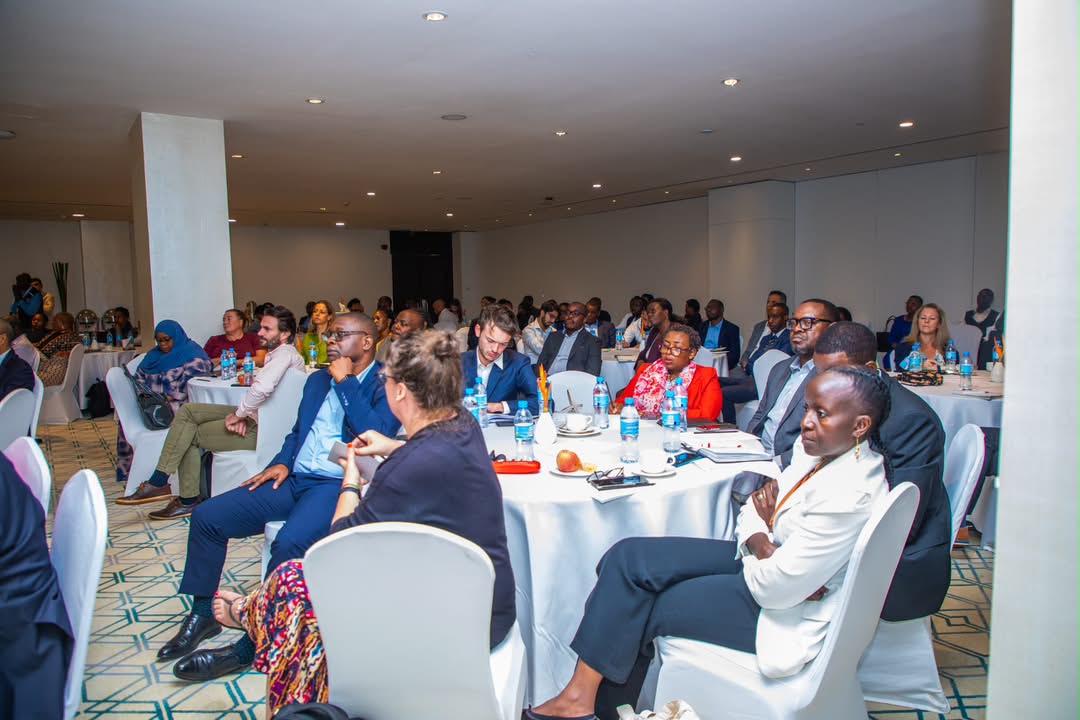
Prof Janabi said this today, June 25, 2026, in Dar es Salaam at a special meeting to discuss the future of combating Ebola that brought together the World Health Organization (WHO), the Ministry of Health and development stakeholders.
Prof Janabi explained in detail the strategies to control Ebola, emphasizing the importance of rapid patient monitoring and strong investment in health systems in Africa.
Prof Janabi noted that Ebola was first identified in the DRC, and since then it has continued to pose major health and public health security challenges.
Citing the history of previous outbreaks, he recalled the 2007 outbreak in the Budi Bunya area of Uganda, where its control was successful due to the strength of the public health system, and noted that subsequent outbreaks presented greater challenges, especially due to the delay in diagnosing the disease and changing transmission patterns.
“One of the key pillars in controlling Ebola is the monitoring of people who have come into contact with patients (contact tracing), where its success depends on a high level of monitoring that should reach between 75 and 95 percent and in some areas that level has been low, a situation that increases the risk of continued spread of infection” said Prof Janabi.
ALSO READ: Tanzania bolsters its emergency and critical care systems in preparedness for Ebola outbreak
He also explained that in some cases, the number of people being monitored can increase, which shows the magnitude of the challenge of controlling such outbreaks, emphasizing the importance of close cooperation between countries, WHO and development partners to ensure timely information is available and prompt action is taken.
In many ways, he has emphasized that investment in the health sector is not a cost but a profitable investment, stressing that every early step in preventing outbreaks saves lives, reduces the burden of treatment and strengthens the resilience of health systems in Africa.