
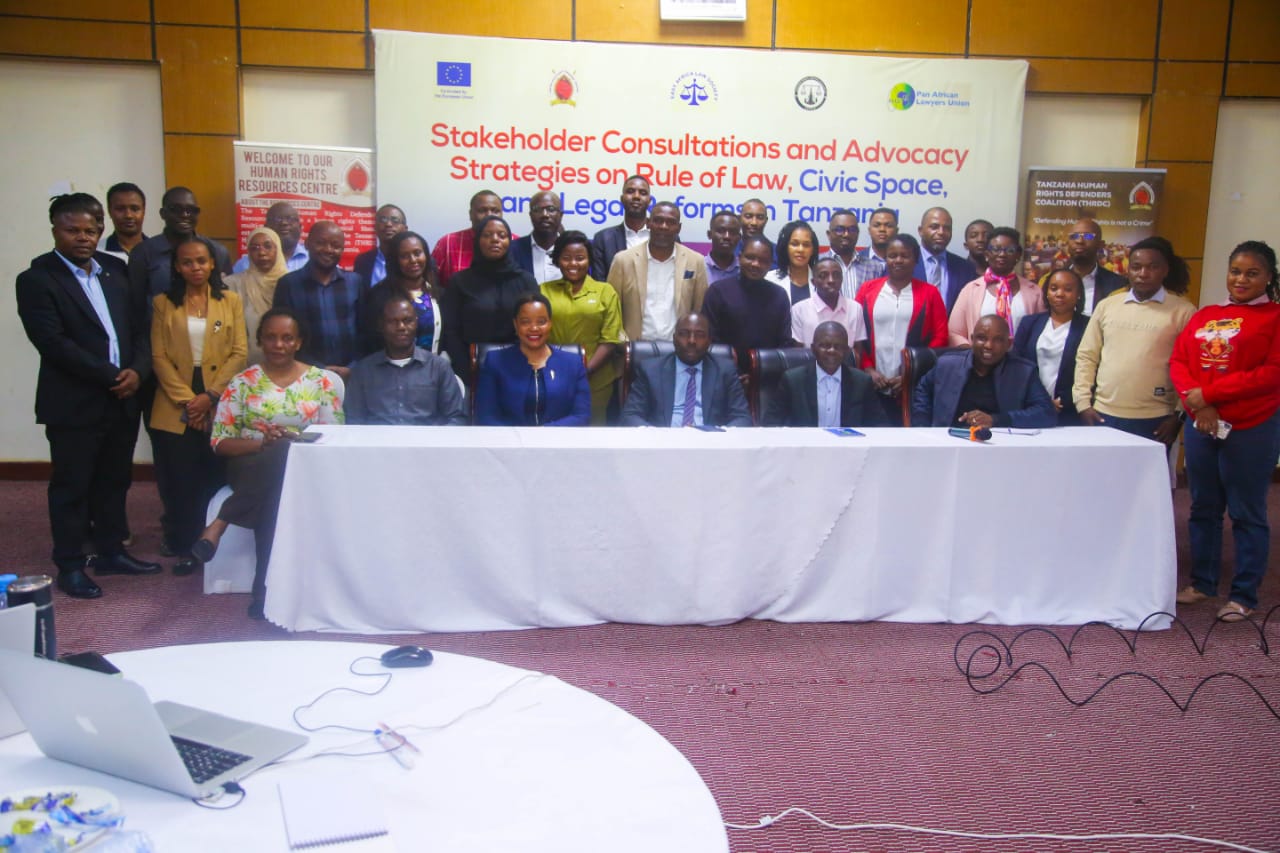
DODOMA: MEDIA organizations and civil society groups have called for greater involvement of news outlets in advancing public interest advocacy, arguing that the media remains one of the most effective channels for informing citizens and promoting accountability.
The call emerged during a stakeholders’ discussion on media engagement and digital advocacy held in Dodoma where representatives from the Marginalized Communities Advocacy and Information Programme (MAIPAC), the Media Institute of Southern Africa Tanzania Chapter (MISA-Tan) and Media Brain highlighted the need to strengthen collaboration between advocacy groups and the media.
Speaking at the forum, MAIPAC Executive Director, Mussa Juma said civil society organisations and legal advocacy groups must make better use of both traditional and digital media platforms to ensure critical issues, including human rights, reach a wider audience.
He noted that despite the rapid expansion of digital communication, traditional media continues to command significant public trust and influence.
Citing findings from a Twaweza study, Juma said 87 per cent of Tanzanians still rely on radio as a key source of information, underscoring the enduring relevance of conventional media platforms
“With more than 260 registered radio stations across the country, there is a huge opportunity to use these platforms to increase public awareness and participation in advocacy issues,” he said.
Juma added that digital platforms also present growing opportunities, noting that internet access now reaches approximately 56.3 million Tanzanians, while mobile phone subscriptions have climbed to about 99.3 million.
“These figures demonstrate the immense potential of digital advocacy in reaching citizens and promoting public engagement,” he said.
MISA-Tan chairman, Edwin Soko sai that although public confidence in some traditional media outlets has been affected by various challenges facing the sector, professional journalism remains an important source of credible information.
He revealed that MISA-Tan plans to expand efforts aimed at enhancing journalists’ skills in producing accurate and impactful public interest stories.
“We intend to strengthen the capacity of more than 200 journalists to improve the quality of reporting on issues that matter to citizens and contribute to informed public discourse,” he said.
ALSO READ: Media key to advancing healthcare PPP reforms, stakeholders told
Media Brain representative, Nelvin Meena stressed the importance of specialised training in human rights reporting, saying such issues require a deep understanding of legal, social and governance frameworks.
“Not every journalist is adequately equipped to report effectively on human rights matters. Building their capacity and ensuring they are involved in advocacy processes is therefore essential,” he said.
Moderating the discussion, civil society expert,Annastazia Rugaba said media freedom should remain a priority as Tanzania moves towards implementing the National Development Vision 2050.