
DAR ES SALAAM: THE Tanzania Meteorological Agency (TMA) has received five vehicles worth 300,000 US dollars (about 788m/-) from the United Nations Development Programme (UNDP) to strengthen weather monitoring and early warning services.
The support is expected to enhance data collection from monitoring and observation stations across the country, improving the agency’s ability to provide timely weather information to the public.
The vehicle support forms part of the Systematic Observations Financing Facility (SOFF) project worth about 13.5 million US dollars (over 35bn/-), an investment aimed at strengthening climate resilience, preparedness and the protection of lives and livelihoods.
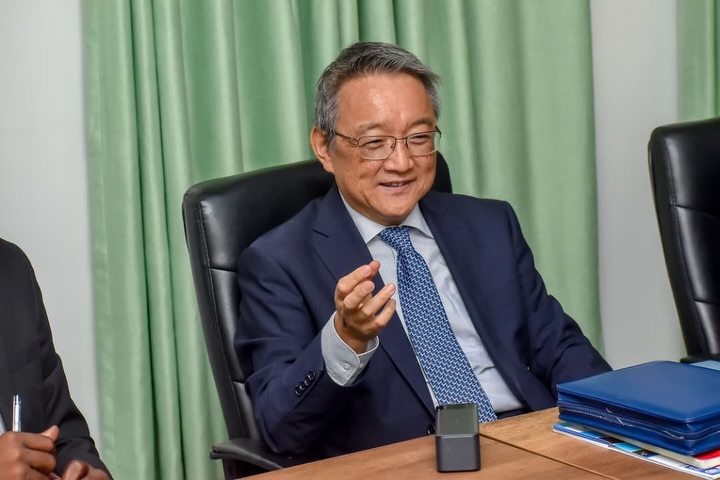
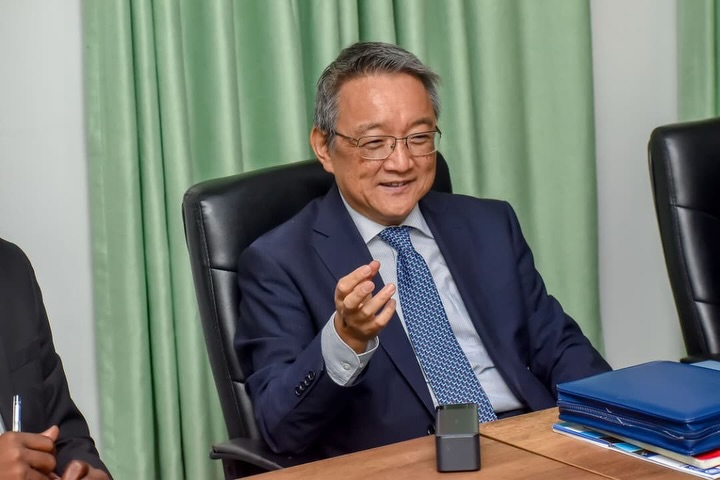
Speaking during the handover ceremony in Dar es Salaamy, UNDP Resident Representative in Tanzania, Mr Shigeki Komatsubara, said the investment reflects Tanzania’s commitment to ensuring it has the data and services needed to build resilience against climate change and weather-related hazards.
Mr Komatsubara said the vehicles, together with new and upgraded surface and upper-air observation stations, training programmes and institutional strengthening initiatives, will help TMA sustainably operate and maintain a modern meteorological observation network that serves Tanzania and contributes to the global observing system.
“At first glance, today’s handover may appear to be about vehicles. In reality, it is about enabling the collection of high-quality weather and climate data that underpin modern forecasting, early warning systems, climate services and disaster risk reduction,” he said.
Mr Komatsubara noted that reliable observations are the foundation of effective meteorological services.
“Without accurate observations, forecasts become less reliable, early warnings arrive too late and communities, farmers, transport operators, businesses and governments are less able to prepare for weather- and climate-related hazards,” he said.
He added that the vehicles will support the installation, maintenance, calibration and monitoring of critical meteorological equipment, helping ensure observations are collected consistently and transmitted in accordance with international standards.
Mr Komatsubara reaffirmed UNDP’s commitment to supporting Tanzania’s efforts to strengthen climate resilience, disaster preparedness and sustainable development.
“As climate variability and extreme weather events become increasingly frequent and severe, the importance of robust observation systems and effective early warning services cannot be overstated,” he said.
Director General of the Tanzania Meteorological Authority and Vice Chair of the Intergovernmental Panel on Climate Change (IPCC), Dr Ladislaus Chang’a, thanked UNDP and other development partners, including the Danish Meteorological Institute and the World Meteorological Organisation, for their continued support and collaboration.
He said the vehicles will enhance the effectiveness of TMA engineers in reaching monitoring and observation stations across the country.
“It is a significant achievement for us, particularly in supporting the operation of weather stations installed nationwide,” Dr Chang’a said.
He noted that the vehicles will enable engineers to regularly inspect and repair stations whenever necessary, ensuring their effective operation.
ALSO READ: Climate funds tightened as government orders strict compliance
As a result, he said, the quality of data collected will improve, strengthening the issuance of early warnings and helping the public take precautionary measures against climate-related risks such as floods and extreme temperatures.
Given TMA’s growing capacity to collect and analyse weather data, he urged citizens to continue following weather advisories to make informed decisions.
Dr Chang’a said Tanzania is expected to experience relatively higher temperatures during this year’s cool season due to global warming, which has also contributed to heat waves in other parts of the world, including Europe.
He added that some coastal and Lake Zone regions may continue to receive rainfall in June, demonstrating TMA’s readiness and capacity to collect and disseminate real-time meteorological information.
At the global level, Dr Chang’a noted that the past three years—2023, 2024 and 2025—have recorded the highest temperatures in the history of the planet.
He said global temperatures increased by 1.55 degrees Celsius in 2024 and 1.48 degrees Celsius in 2025.
“The more temperatures rise, the greater the impacts of climate change,” he said.
Citing Tanzania as an example, he said the country recorded exceptionally high rainfall within 24 hours in May 2024, when Kilwa Weather Station received 316 millimetres of rainfall compared to the monthly average of 96.6 millimetres.
He attributed the increase partly to the effects of Cyclone Hidaya.
Dr Chang’a urged Tanzanians to continue protecting the environment through measures such as tree planting and the adoption of clean cooking energy to reduce pollution and mitigate the effects of climate change.A