
DAR ES SALAAM: FOR many women running small businesses across the country, access to capital remains one of the biggest obstacles standing between survival and growth.
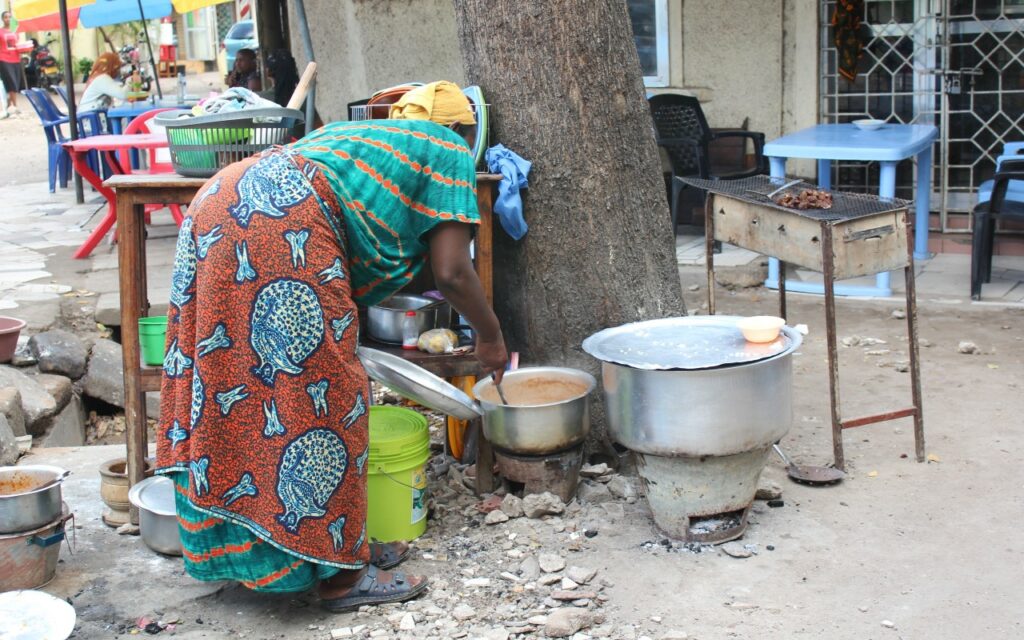
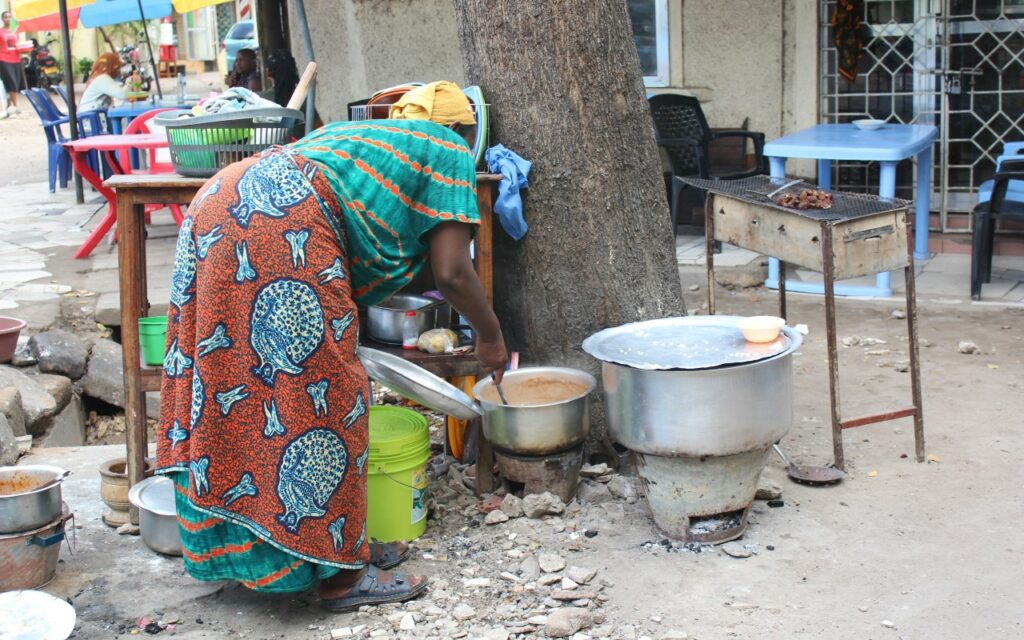
Whether it is a Mama Ntilie hoping to buy a larger cooking stove, a market vendor wishing to expand her stock or a young entrepreneur looking to turn a business idea into reality, lack of affordable financing often limits their ambitions.
This is why the government’s proposal to increase the allocation of Local Government Authorities’ revenues from 10 per cent to 15 per cent for loans and business development programmes targeting women, youth and persons with disabilities have generated optimism among economists and entrepreneurs.
The new arrangement will retain 10 per cent for interest-free loans while directing an additional 5 per cent towards improving markets, business centres and entrepreneurship infrastructure.
Economic analysts believe the move could become a game changer for thousands of women who continue to face difficulties accessing loans from conventional financial institutions.
Economist Beatrice Chacha of Saint Augustine University of Tanzania (SAUT), the proposal represents a deliberate effort to promote self-reliance by increasing support for entrepreneurship.
“Many women operating small businesses struggle to access commercial loans because they lack collateral, formal business records or stable income,” she said.
She explained that affordable financing can help women move beyond subsistence businesses and build enterprises capable of creating employment and generating higher incomes.
For a Mama Ntilie, access to capital may mean purchasing better cooking equipment, improving food hygiene standards, increasing production and serving more customers.
For a market trader, it could mean expanding stock and diversifying products to attract a wider customer base.
For women with disabilities, the funding could provide an opportunity to start or expand businesses that might otherwise struggle to secure financing through traditional lending systems.
Studies consistently show that when women earn more, families often benefit through improved access to education, healthcare, nutrition and housing.
As household incomes increase, communities become more economically resilient and local economies grow. Ms Chacha said that the programme could help reduce poverty and promote greater social inclusion by empowering groups that have historically faced economic barriers.
“Effective implementation could strengthen small businesses, create jobs and increase contributions to the national economy,” she said.
However, she cautioned that financing alone may not be enough. Beneficiaries also require mentorship, business development support and financial literacy training to ensure businesses remain sustainable.
ALSO READ: Project launched to empower women entrepreneurs
Among those welcoming the proposal is Aurelia Venus, founder and Chief Executive Officer of Curiosity in Art, an Arusha-based enterprise specialising in handcrafted woven jewellery. Like many young entrepreneurs, she understands the challenge of starting a business with limited capital.
“In most cases, our biggest challenge is financing. This arrangement will allow many young entrepreneurs to move from ideas to actual businesses much faster,” she said.
She noted that many entrepreneurs spend years trying to save enough money to launch businesses, delaying opportunities for growth and employment.
“Instead of waiting to accumulate capital, young people can begin their entrepreneurial journey earlier and contribute to economic development,” she added.
Beyond financing, the proposal’s focus on improving market infrastructure is expected to benefit women who depend on local markets for their livelihoods.
Improved trading spaces can provide safer, cleaner and more organised environments where women can operate throughout the year regardless of weather conditions.
Presenting the 2026/27 budget proposals in National Assembly, Finance Minister Ambassador Khamis Mussa Omar said the initiative forms part of broader government efforts to strengthen the informal sector, improve access to financial services and create employment opportunities.
For thousands of women striving to grow their businesses, the proposal offers more than additional funding.
It represents an opportunity to transform small enterprises into sustainable sources of income, create jobs and strengthen the economic independence of women across the country.
If effectively implemented, the initiative could become one of the most significant tools for expanding women’s participation in economic development and ensuring that ambition is no longer limited by lack of capital.