
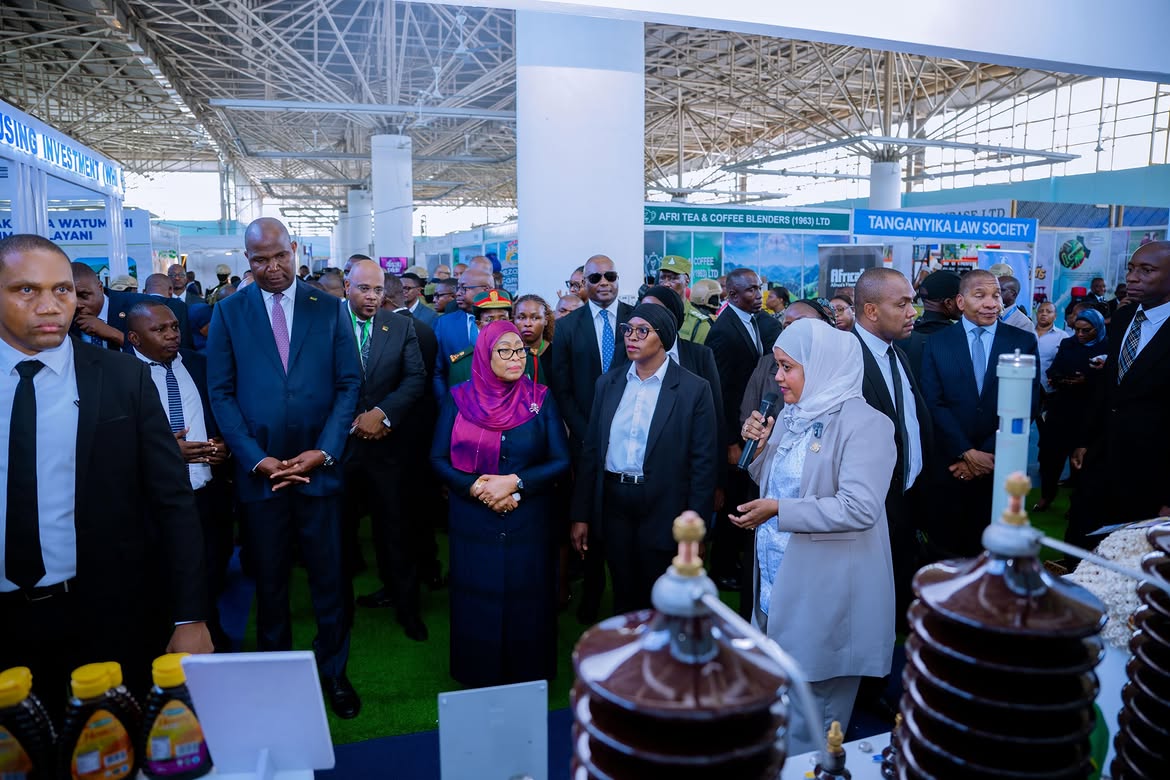
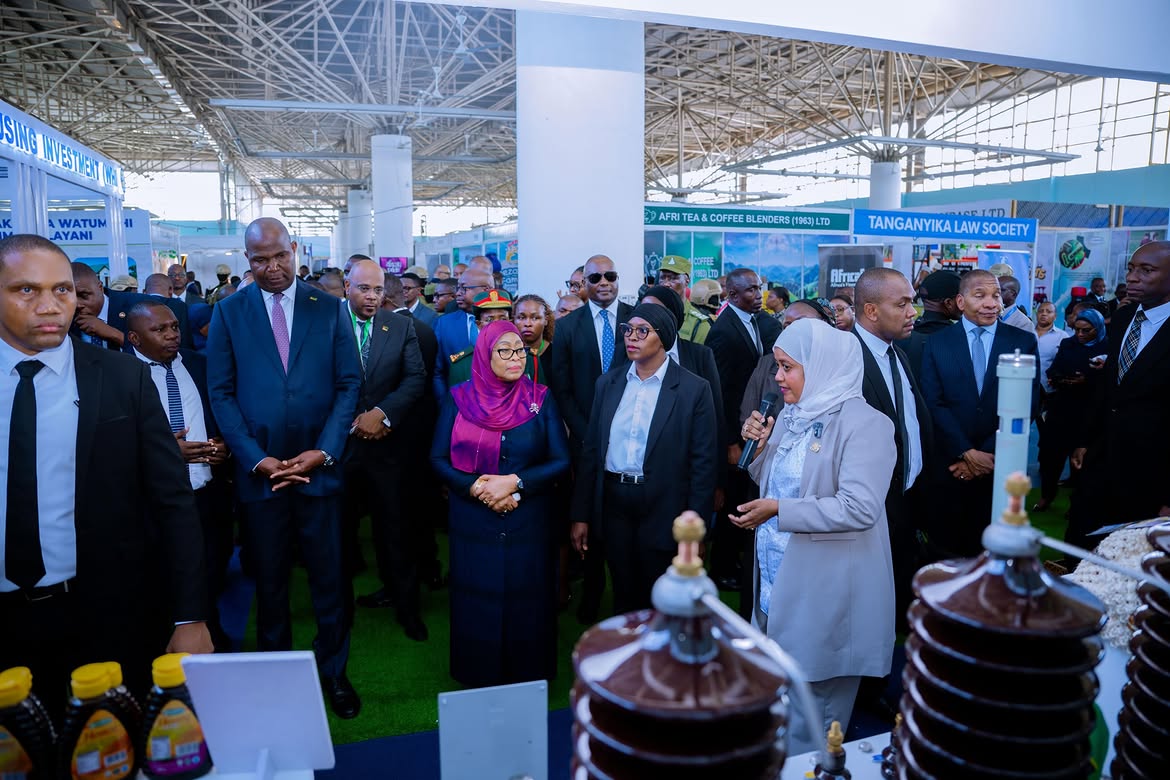
DAR ES SALAAM: ECONOMIC experts have described Mozambican President Daniel Chapo’s visit to Tanzania as a strategic opportunity to deepen trade, attract investment and accelerate regional economic integration between the two neighbouring countries.
In his address on Friday at the opening of the 50th Dar es Salaam International Trade Fair (DITF), President Chapo urged Tanzania and Mozambique to capitalise on their complementary economies and position themselves as a single investment destination for East and Southern Africa.
He called for stronger regional value chains, expanded cross-border trade and increased investment in sectors including energy, agriculture, mining, tourism, logistics and infrastructure.
Commenting on the speech, economic analyst Dr Hildebrand Shayo said the proposal represents a shift from traditional bilateral cooperation towards deeper economic integration.
He said treating Tanzania and Mozambique as one investment destination would enable the two countries to complement rather than compete with each other for foreign investment.
“Tanzania’s larger market, industrial base and transport infrastructure complement Mozambique’s natural gas reserves, mineral wealth and ports. Together, they can attract investments that would be difficult to secure individually,” he said Dr Shayo added that closer cooperation could reduce transaction costs, harmonise investment policies and strengthen cross-border value chains, positioning the TanzaniaMozambique corridor as an important gateway to both the Southern African Development Community (SADC) and the African Continental Free Trade Area (AfCFTA).
However, he stressed that political commitment must be backed by institutional reforms, including harmonised regulations, coordinated customs procedures and improved border management.
Mzumbe University senior economics lecturer Dr Eliaza Mkuna said high-level state visits create opportunities for governments and businesses to identify new areas of cooperation.
He noted that non-tariff barriers remain one of the biggest obstacles to regional trade despite Africa’s vast economic potential.
“These visits are important because they help address barriers that continue to limit trade among African countries,” he said. Dr Mkuna urged the two governments to align their economic priorities and formalise cooperation through agreements that clearly define areas of collaboration.
St Augustine University economist Dr Venance Ndalichako said trade between Tanzania and Mozambique remains relatively low compared to Tanzania’s trade with Kenya, Uganda, Rwanda and Burundi.
He said President Chapo’s visit could provide fresh momentum for expanding bilateral trade and identifying products and services that both countries can supply competitively.
“Although language differences present some challenges, the historical relationship between Tanzania and Mozambique provides a strong foundation for stronger economic cooperation,” he said.
Economist and researcher Dr Bravious Kahyoza said geographical proximity and abundant natural resources give the two countries enormous potential to expand economic cooperation.
He said closer collaboration in managing natural resources and developing the Indian Ocean corridor could strengthen trade, investment and regional economic transformation.
“Trade is increasingly shifting towards maritime corridors, and Tanzania and Mozambique occupy a strategic position that can drive regional growth,” he said.
Eastern Zone Manager for Cereals and Other Produce Regulatory Authority (COPRA), Ms Mary Majule, speaking at the ongoing DITF, said Tanzania should take advantage of renewed cooperation by expanding agricultural exports to Mozambique and other regional markets.
She urged producers to improve the quality of products, invest in value addition and use trade fairs such as DITF to secure regional buyers and strengthen agricultural value chains.
Exhibitor Christopher Mwaya also encouraged Tanzanian businesses to participate in an international trade exhibition in Mozambique this August, saying it would provide an opportunity to showcase locally manufactured products, attract investors and establish long-term commercial partnerships.