
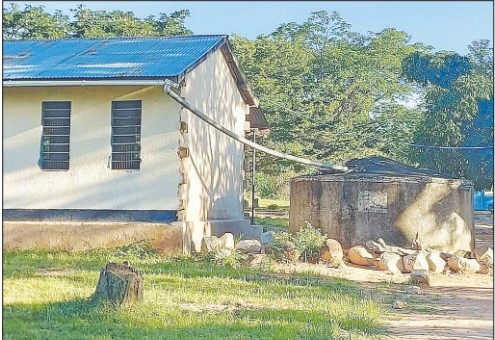
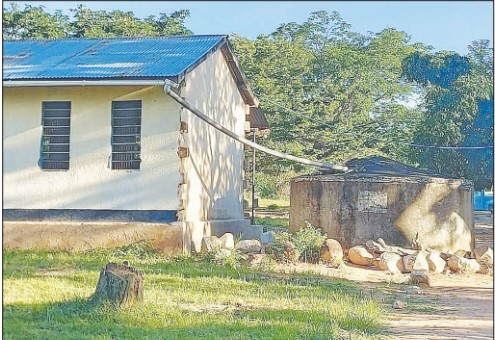
TABORA: WATER is one of the most essential resources for life, yet in many parts of Tanzania, its availability is becoming increasingly uncertain. Rapid population growth, urban expansion, climate variability and rising demand from agriculture and industry are placing significant pressure on existing water sources.
Although the country is endowed with major rivers, lakes and groundwater systems, access to clean and reliable water remains uneven. In this context, rainwater harvesting presents a practical, affordable and sustainable solution that can significantly strengthen water security across the country.
Rainwater harvesting refers to the collection and storage of rainwater for later use rather than allowing it to flow into drains, rivers and eventually the ocean. It is one of the oldest water management practices, yet it remains underutilised despite its strong relevance to current and future water challenges.
In Tanzania, where rainfall is increasingly unpredictable, harvesting rainwater can improve household water availability, reduce dependence on public supply systems and enhance resilience during periods of scarcity.
At the household level, rainwater harvesting can reduce water expenses, allowing families to allocate income to other essential needs. It also serves as an important safeguard during water rationing, particularly in the dry season when water levels in key supply sources such as the Lower and Upper Ruvu rivers decline.
These rivers are major sources of water supplied by DAWASA to Dar es Salaam and Coast regions, and reduced flows often result in intermittent supply and shortages. In such situations, households that harvest rainwater are better protected against disruptions, ensuring continued access for domestic uses such as cleaning, cooking and sanitation.
In urban areas where households are not connected to formal water supply systems, rainwater harvesting can be a major breakthrough in improving access to water. Many residents rely on water vendors or travel long distances to obtain water, often at high cost. Collecting rainwater from rooftops provides a more affordable and reliable alternative, especially during rainy seasons when rainfall is abundant but largely underutilised.
In semi-arid areas, rainwater harvesting becomes even more critical, as water scarcity is persistent and livelihoods depend heavily on livestock keeping and small-scale agriculture. Stored water in natural ponds, earth dams, or household tanks can support livestock survival and improve food security, making communities more resilient to drought conditions.
Rainwater harvesting also promotes environmental sustainability by reducing pressure on water supply utilities and decreasing the need for households and institutions to extract water directly from natural sources such as rivers, lakes and groundwater systems.
By capturing and using rainwater locally, dependence on centralised water infrastructure and natural water bodies is reduced, helping to conserve these resources and support their long-term availability. However, it is important to note that most rainwater in Tanzania still goes unharvested.
The majority of households do not collect or store rainwater, meaning it ultimately flows into drainage systems, rivers and eventually the ocean without being utilised. In many cases, households still experience water shortages even shortly after rainfall events, sometimes within just a few hours after rain has stopped, particularly during periods of water rationing.
ALSO READ: Saba Saba must not become a day of fear
The reasons for this situation are not fully clear, but limited awareness of the benefits of rainwater harvesting is likely a major contributing factor. Cost is another significant barrier.
The initial investment required for storage systems remains relatively high for many households. For example, a 1000-litre water tank can cost more than 350,000/-, an amount that is not easily affordable for the majority of people in Tanzania.
As a result, many households are unable to adopt rainwater harvesting without external support or targeted financial assistance. For this reason, government intervention is essential. Support mechanisms such as subsidies, tax reliefs and targeted incentives for water storage systems could significantly accelerate adoption.
Such measures would make rainwater harvesting more accessible, especially for low- and middle-income households, and help steer the country toward more sustainable water management practices.
Without such support, adoption is likely to remain limited despite its clear benefits. Large-scale rainwater harvesting also offers important environmental and infrastructural advantages. In flood-prone areas such as the Lower Rufiji floodplains, capturing rainwater can help reduce flood intensity by slowing runoff and lowering peak flows into river systems. This reduces damage to infrastructure, settlements and agricultural land.
At the same time, stored water can be used during dry periods, creating a dual benefit of flood control and water supply enhancement. In a broader sense, rainwater harvested in one region can also contribute to water security in another.
For instance, water collected in the Lower Rufiji basin could potentially support demand in Dar es Salaam during dry seasons when supply from conventional sources becomes unreliable.
Despite its benefits, the safety of rainwater harvesting systems must also be carefully considered. Poorly designed or improperly installed systems can pose risks.
Above-ground tanks that are not securely mounted may fall and cause injury or property damage. Similarly, underground storage systems can present hazards if covers are not properly secured, posing risks to children and adults.
These concerns highlight the importance of proper installation standards, regular maintenance and routine inspections to ensure systems remain safe and functional. To fully realise the potential of rainwater harvesting, Tanzania must strengthen awareness, policy support and technical capacity.
Public education is essential to improve understanding of the economic, environmental and social benefits of rainwater harvesting. Many households do not fully appreciate its role in reducing water costs and improving water security.
At the same time, technical training for builders, plumbers and local artisans is necessary to ensure proper system design and installation, thereby improving reliability and reducing associated risks. Rainwater harvesting should also be integrated into urban planning and building regulations.
Going forward, new buildings, especially in urban and peri-urban areas, should include rooftop collection systems as part of standard design requirements. Financial institutions and microfinance programmes could further support adoption by offering affordable loans for water storage systems, thereby easing the burden of initial investment costs.
Although this discussion has mainly focused on households, similar approaches can also be adopted by both public and private institutions to enhance water availability and reliability.
For instance, given the water supply challenges experienced in cities such as Dodoma, rainwater harvesting could offer a practical pathway toward improved water security for both households and institutions alike. In conclusion, rainwater harvesting presents a simple yet highly effective solution to Tanzania’s water availability challenges, particularly during dry seasons.
It can reduce household water expenses, enhance resilience to water shortages, support livelihoods in rural and semi-arid areas and contribute to flood management in vulnerable regions. However, its full potential remains unrealised due to limited awareness, high initial costs and weak policy support.
With targeted government incentives, improved public awareness and strengthened safety standards, rainwater harvesting can become a cornerstone of sustainable water management in Tanzania, ensuring more reliable and equitable access to water for present and future generations.
• Dr Daudi Bigirwa is a lecturer at the University of Dodoma. Contacts: Mobile: +255782609280, Email: davebigirwa@gmail.com