
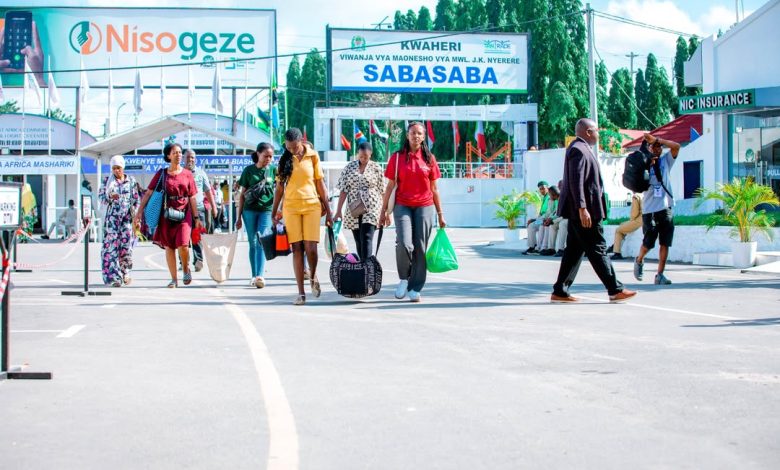
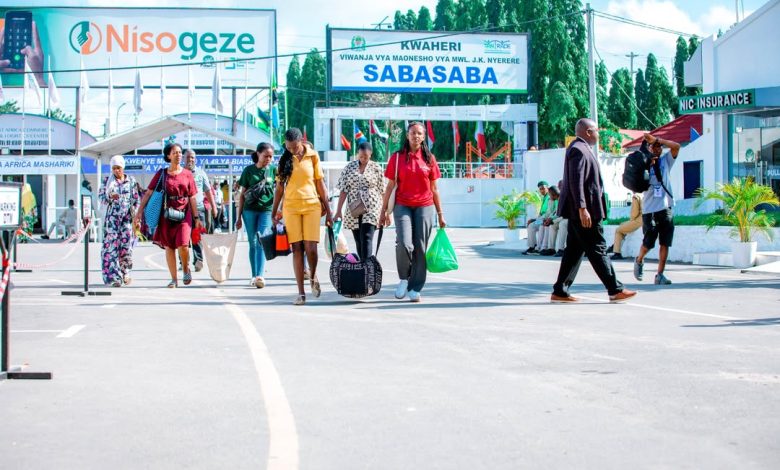
DAR ES SALAAM: THIS week, Tanzania marks the Golden Jubilee of the Dar es Salaam International Trade Fair (DITF), a landmark in the country’s economic history.
For five decades, the Mwalimu J.K Nyerere Trade Fair grounds have evolved from a modest domestic marketplace into one of the region’s leading platforms for trade, investment and economic diplomacy. The opening of this historic 50th edition also celebrates a longstanding Tanzanian diplomatic tradition.
For many years, the country has invited Heads of State from neighbouring nations to officiate at the opening of the fair, reinforcing regional friendship through commerce. This year, President Samia Suluhu Hassan welcomed President Daniel Chapo of Mozambique, continuing a tradition that reflects Tanzania’s enduring commitment to regional cooperation.
The presence of the two leaders sends a clear message that Saba Saba has grown beyond its role as a trade exhibition. It has become an important platform for strengthening regional integration, expanding intra-African trade and advancing the aspirations of the African Continental Free Trade Area (AfCFTA).
President Chapo’s call for the two countries to leverage their complementary economies and market themselves as a single investment destination for East and Southern Africa reflects the type of strategic thinking that Africa needs.
The continent can no longer afford fragmented markets divided by borders that limit trade and investment. Stronger regional value chains, increased cross-border commerce and joint investments in sectors such as energy, agriculture, mining, tourism, logistics and infrastructure will enable African economies to compete collectively rather than individually.
That is the promise of the AfCFTA: Transforming Africa into a larger, more competitive and integrated marketplace. Today’s Saba Saba is no longer simply a venue for displaying goods. It has become a showcase for innovation, entrepreneurship, technology and locally manufactured products that meet international standards.
As Tanzania continues its journey from exporting raw materials to producing value-added goods, the fair provides an important platform for demonstrating the country’s industrial progress and manufacturing potential.
THIS week, Tanzania marks the Golden Jubilee of the Dar es Salaam International Trade Fair (DITF), a landmark in the country’s Government policy, however, is only part of the equation. The success of this vision ultimately depends on the private sector.
The government has invested in infrastructure, strengthened the policy environment and expanded diplomatic engagement to create new opportunities under the AfCFTA.
It is now incumbent upon businesses, entrepreneurs and investors to seize those opportunities by expanding beyond domestic markets, forging strategic partnerships and investing in industries capable of competing across the continent.
Economic transformation cannot be driven by policy alone. It requires enterprise, innovation and calculated risk-taking. With exhibitors from more than 30 countries participating this year, the fair has become a meeting place for global business, investment and diplomacy.
Business-to-business engagements, investment forums and commercial partnerships formed during the exhibition are helping to build the networks and confidence required for deeper continental integration.economic history.
For five decades, the Mwalimu J.K Nyerere Trade Fair grounds have evolved from a modest domestic marketplace into one of the region’s leading platforms for trade, investment and economic diplomacy. The opening of this historic 50th edition also celebrates a longstanding Tanzanian diplomatic tradition.
ALSO READ: Japan’s 269m/- boost transforms Babati school
For many years, the country has invited Heads of State from neighbouring nations to officiate at the opening of the fair, reinforcing regional friendship through commerce. This year, President Samia Suluhu Hassan welcomed President Daniel Chapo of Mozambique, continuing a tradition that reflects Tanzania’s enduring commitment to regional cooperation.
The presence of the two leaders sends a clear message that Saba Saba has grown beyond its role as a trade exhibition. It has become an important platform for strengthening regional integration, expanding intra-African trade and advancing the aspirations of the African Continental Free Trade Area (AfCFTA).
President Chapo’s call for the two countries to leverage their complementary economies and market themselves as a single investment destination for East and Southern Africa reflects the type of strategic thinking that Africa needs. The continent can no longer afford fragmented markets divided by borders that limit trade and investment.
Stronger regional value chains, increased cross-border commerce and joint investments in sectors such as energy, agriculture, mining, tourism, logistics and infrastructure will enable African economies to compete collectively rather than individually.
That is the promise of the AfCFTA: Transforming Africa into a larger, more competitive and integrated marketplace. Today’s Saba Saba is no longer simply a venue for displaying goods. It has become a showcase for innovation, entrepreneurship, technology and locally manufactured products that meet international standards.
As Tanzania continues its journey from exporting raw materials to producing value-added goods, the fair provides an important platform for demonstrating the country’s industrial progress and manufacturing potential.