

DAR ES SALAAM: TANZANIA’S mining sector is expected to play a central role in the country’s long-term economic transformation, with Development Vision 2050 identifying minerals as a strategic resource for industrial growth, value creation and national development.
The vision seeks to move the country beyond the traditional export of raw minerals by promoting local value addition, increasing Tanzanian participation across the mining value chain and adopting modern technologies that improve productivity, safety and environmental sustainability.
The Chairperson of the Mining Commission, Dr Janet Lekashingo, said the sector’s future growth must be guided by these priorities to ensure that Tanzania gains greater economic benefits from its mineral resources.
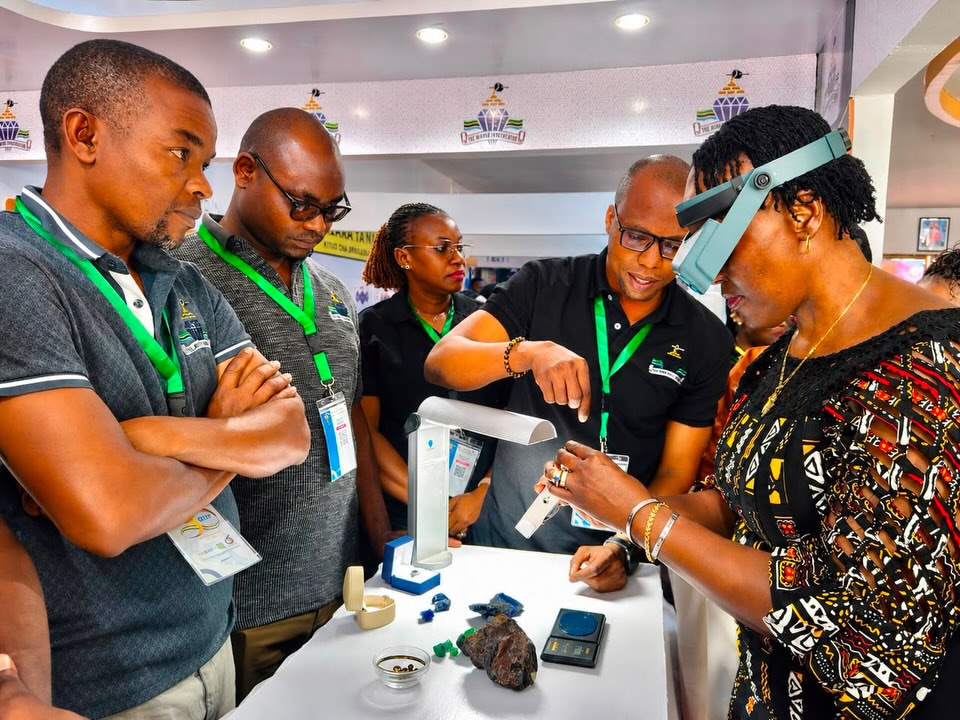
Speaking during a visit to the Mining pavilion at the 50th Dar es Salaam International Trade Fair (DITF) on July 6, 2026, she said the Commission remains committed to supporting Vision 2050 objectives and strengthening mining’s contribution to sustainable economic development.
A major focus of the vision is mineral value addition, which involves processing and refining resources locally instead of exporting them in their raw form. This approach allows countries to capture greater economic benefits from their resources by supporting industries, creating employment opportunities, encouraging technology transfer and strengthening domestic manufacturing capacity.
The vision also highlights the importance of geological exploration to identify new mineral deposits. Effective exploration provides critical information about the location, quality and quantity of resources, helping guide investment decisions and supporting responsible development of the mining sector.
Another priority is expanding the participation of Tanzanians in mining activities. This includes creating opportunities for local businesses, smallscale miners, service providers and professionals to participate in mineral production, processing, trading and related industries.
The adoption of modern mining technologies is also expected to shape the sector’s future. Advanced technologies can improve exploration, increase operational efficiency, enhance worker safety and reduce environmental impacts, helping create a more productive and responsible mining industry.
During her visit to the Mining Village, Dr Lekashingo encouraged members of the public to learn more about the Mining Commission’s services and opportunities available within the mining value chain. The exhibition provided information on mineral trading procedures and the importance of using authorised mineral markets and buying centres to promote transparency, accountability and compliance with regulations.
The Mining Village brought together institutions and stakeholders from across the minerals sector, allowing the public to understand their roles in regulating, developing and supporting the industry. The exhibition formed part of the wider DITF programme, which provides a platform for institutions, businesses and investors to showcase opportunities and promote economic partnerships.
Beyond public awareness and investment promotion, the Mining Commission continues to focus on strengthening governance, accountability and effective management of mineral resources. Strong institutional systems are essential to ensuring that mining contributes meaningfully to government revenue, economic growth and national development.
During the visit, the Mining Commission Chairperson acknowledged that the Commission exceeded its revenue collection target for the 2025/2026 financial year, attributing the performance to improved management systems, effective oversight and stronger administration within the sector.
However, she stressed that past achievements should not reduce focus on future responsibilities. The next challenge is to meet and surpass the revenue collection target of1.4tri/- for the 2026/2027 financial year.
Mining revenue plays an important role in supporting government programmes and financing development priorities. Effective collection systems, regulatory compliance and transparent mineral trading remain essential to ensuring that the country receives appropriate benefits from its natural resources.
The Mining Commission’s responsibilities extend beyond revenue collection. The institution also regulates mining activities, supports responsible mineral development and ensures that stakeholders comply with legal and environmental requirements. A properly regulated mining sector helps build investor confidence while protecting national interests.
During the exhibition tour, Dr Lekashingo visited stands representing institutions under the Ministry of Minerals, including the Mining Commission, the State Mining Corporation, the Geological Survey of Tanzania, the Tanzania Gemological Centre and other industry stakeholders.
Their participation demonstrated the interconnected nature of the mining sector. Geological information supports exploration, mining companies contribute to resource development, gemological services strengthen management of valuable stones, and regulators ensure responsible operations.
Energy supply was another key issue highlighted during the visit. The Mining Commission Chairperson called for faster expansion of electricity infrastructure to mining and mineral processing areas across the country, noting that reliable power is essential for improving productivity and increasing mineral beneficiation.
Modern mining and processing facilities depend on stable electricity supplies to operate machinery, maintain production standards and compete in regional and international markets. Expanding energy access in mining areas can encourage investment, support job creation and strengthen industries linked to mineral processing.
Reliable energy is also closely connected to Tanzania’s industrialisation ambitions under Vision 2050. As the country seeks to expand manufacturing and increase value addition, electricity infrastructure will remain a critical foundation for industries that depend on consistent and affordable power.
The future of Tanzania’s mining sector will depend not only on the availability of mineral resources but also on the ability to develop a complete ecosystem supporting exploration, production, processing, trading, technology development and local participation.
As Tanzania moves towards Vision 2050, mining is expected to evolve from mainly being a source of mineral exports into a broader driver of industrialisation, innovation and economic empowerment.
Increasing local participation will be central to this transformation. Greater involvement of Tanzanian businesses, professionals and communities can strengthen domestic capacity and ensure that more economic opportunities remain within the country.
Local participation goes beyond ownership. It includes opportunities for Tanzanians to supply goods and services to mining companies, participate in mineral trading, develop technical skills and establish businesses linked to the wider mining ecosystem.
The push for value addition reflects a global effort by mineral-producing countries to maximise benefits from natural resources. For Tanzania, expanding mineral processing capacity will require investment in infrastructure, energy, technology, skills development and regulatory systems that support responsible private sector participation.
Sustainable mining practices will also remain important. Economic development must be balanced with environmental protection and community interests to ensure that mineral resources contribute positively to current and future generations.
Through continued reforms, stronger partnerships and responsible management, Tanzania’s mining sector has the potential to become a major pillar of industrial growth, job creation and economic transformation.
The country’s mineral wealth represents an opportunity that extends beyond revenue collection. With value addition, modern technology, reliable infrastructure and effective governance, mining can help Tanzania achieve its ambition of building a more industrialised, competitive and prosperous economy by 2050.