
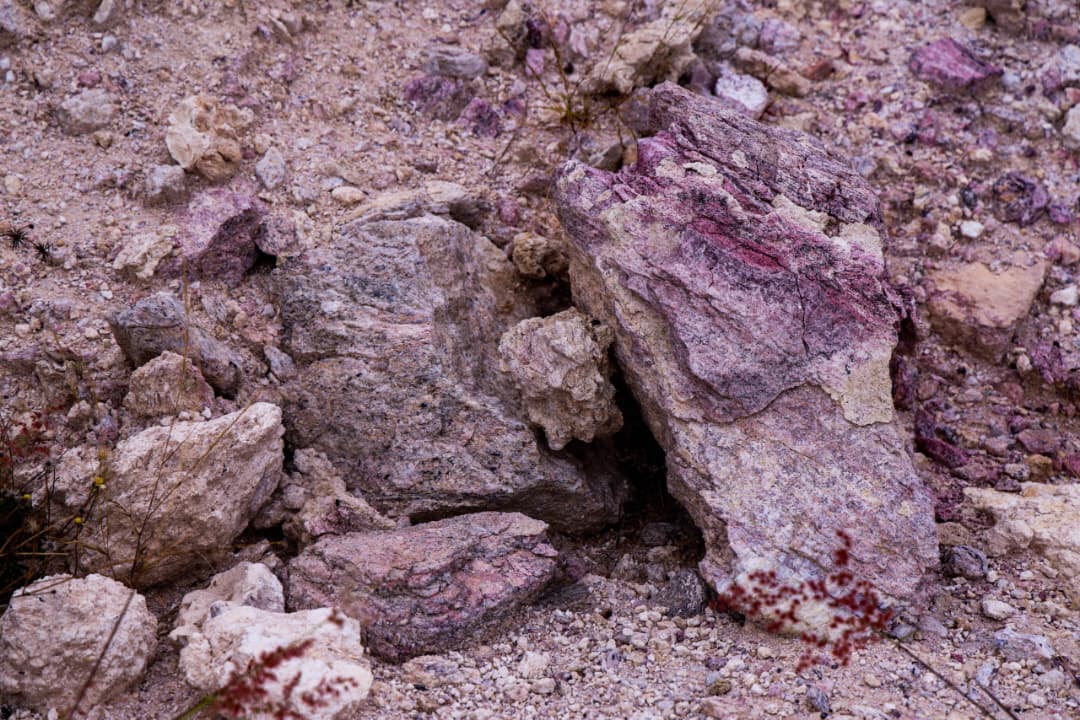
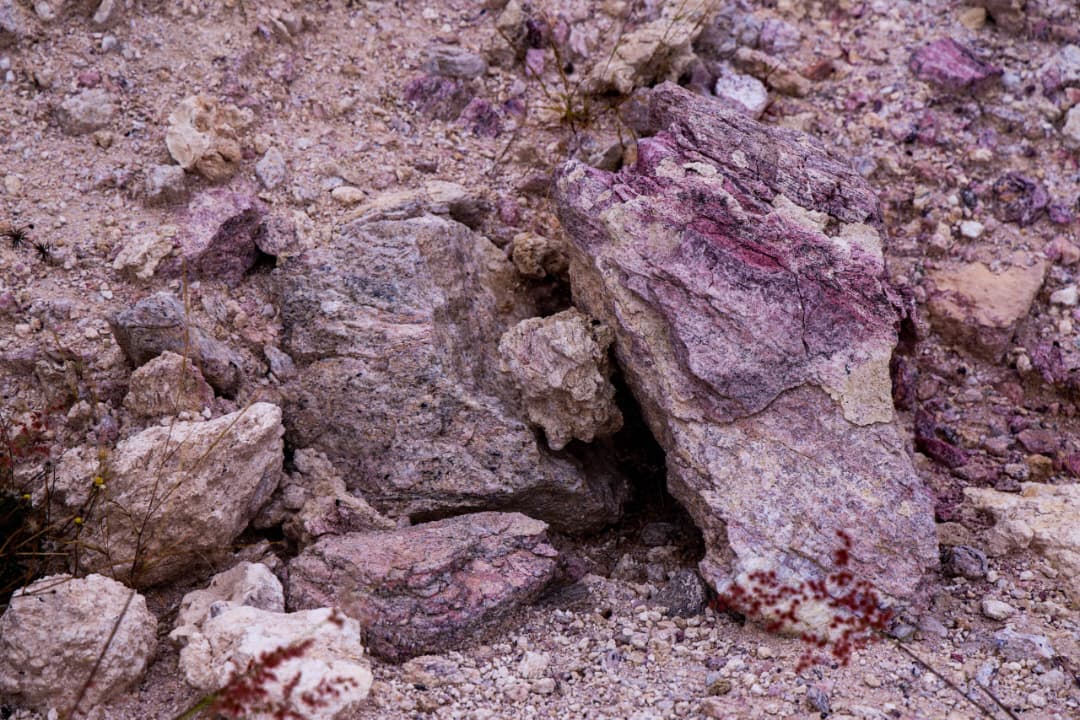
DODOMA: Mount Mautia, located in Kongwa District, Dodoma Region, contains rare minerals found nowhere else in the world apart from Tanzania and Zimbabwe, prompting geologists to call for the protection of the area, which they say holds significant potential for future scientific and economic benefits.
The call was made in Kongwa by the Manager of the Geology and Mineral Research Division at the Geological Survey of Tanzania (GST), Maswi Solomon, who said the area, rich in yoderite mineral (green-purple) and piemontite mineral (red-pink), could also become a potential tourist attraction.
The geologist said Mautia Hill contains minerals that were discovered in 1959 by an American researcher, but the area has not gained international recognition despite its importance.
According to him, yoderite and piemontite are among the rare minerals that cannot be easily found elsewhere in the world.
ALSO READ: Tanga’s enhanced efforts to combat drug abuse pays off
“These minerals are scarce and are shared with our colleagues in Malawi. It is now time to protect this Mount Mautia area because it will benefit all of us by allowing researchers from all over the world to visit,” Solomon said.
However, the expert said due to the importance of Mautia, the government should coordinate all activities taking place on the hill, warning that without proper management, the area could easily be damaged.
He said the quantity of these minerals does not support commercial production, making the area valuable mainly for research purposes.
He added that Mautia and another similar area in Zimbabwe have been preserved for global researchers, making conservation efforts important.
The manager said Mautia Hill is already known among researchers, but it requires a strategy to promote it among scientists and geologists who can study its formation, which is believed to date back more than five million years.
Studies indicate that Dodoma Region has a wider variety of minerals compared to other regions in the country, although it has fewer mining activities compared to other regions.