
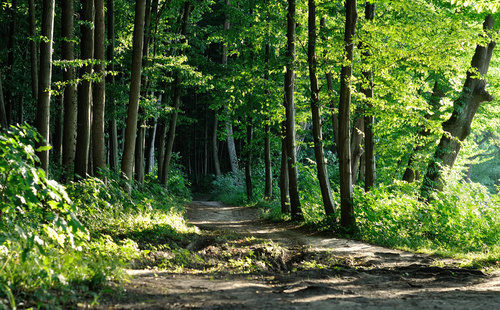

KIGOMA: ECONOMIC empowerment project has been launched in four villages surrounding the Makere South Forest Reserve (Kagera Nkanda) in Kasulu District, Kigoma Region, to provide alternative sources of income for local communities and reduce conflicts over forest resources.
The initiative seeks to improve livelihoods while strengthening cooperation between communities and authorities managing the forest reserve and the adjacent hunting block.
Speaking during a two-day stakeholders’ meeting to review the implementation of the participatory conservation programme, Tanzania Wote Equality Alliance (TAWEA) Project Coordinator, Mr Batro Ngilangwa, said the project had already introduced several income-generating activities within its first year.
These include fish farming, beekeeping and honey production, mixed farming and village savings and loan groups.
Mr Ngilangwa said the project, worth more than 200m/-, was developed following a TAWEA study which found that about 95 per cent of residents in Mvinza, Chekenya, Kagera Nkanda and Kabulanzwili villages depended on economic activities inside the forest reserve for their livelihoods.
He said such dependence had fuelled recurring conflicts between communities and conservation authorities.
“The project aims to reduce pressure on the forest by providing sustainable livelihood opportunities while encouraging communities to become active partners in conservation,” he said.
Buhigwe/Makere Forest Plantation Manager, Mr Patrick Emilian, said the initiative would strengthen relations between conservation authorities and surrounding communities by promoting joint forest protection efforts and supporting local economic development.
ALSO READ: Govt calls for transparency to maximise mineral wealth
He said the programme would also help build trust and ensure conservation laws are implemented through cooperation rather than confrontation.
Kagera Nkanda Ward Executive Officer, Mr Banyikwa Makinga, said relations between local communities and conservation agencies, including the Tanzania Forest Services Agency (TFS) and the Tanzania Wildlife Management Authority (TAWA), had previously been strained.
He said enforcement operations were often conducted without informing village leaders, resulting in mistrust and resistance.
According to him, the new initiative has improved communication and cooperation between communities and conservation authorities, laying the foundation for sustainable forest management.