
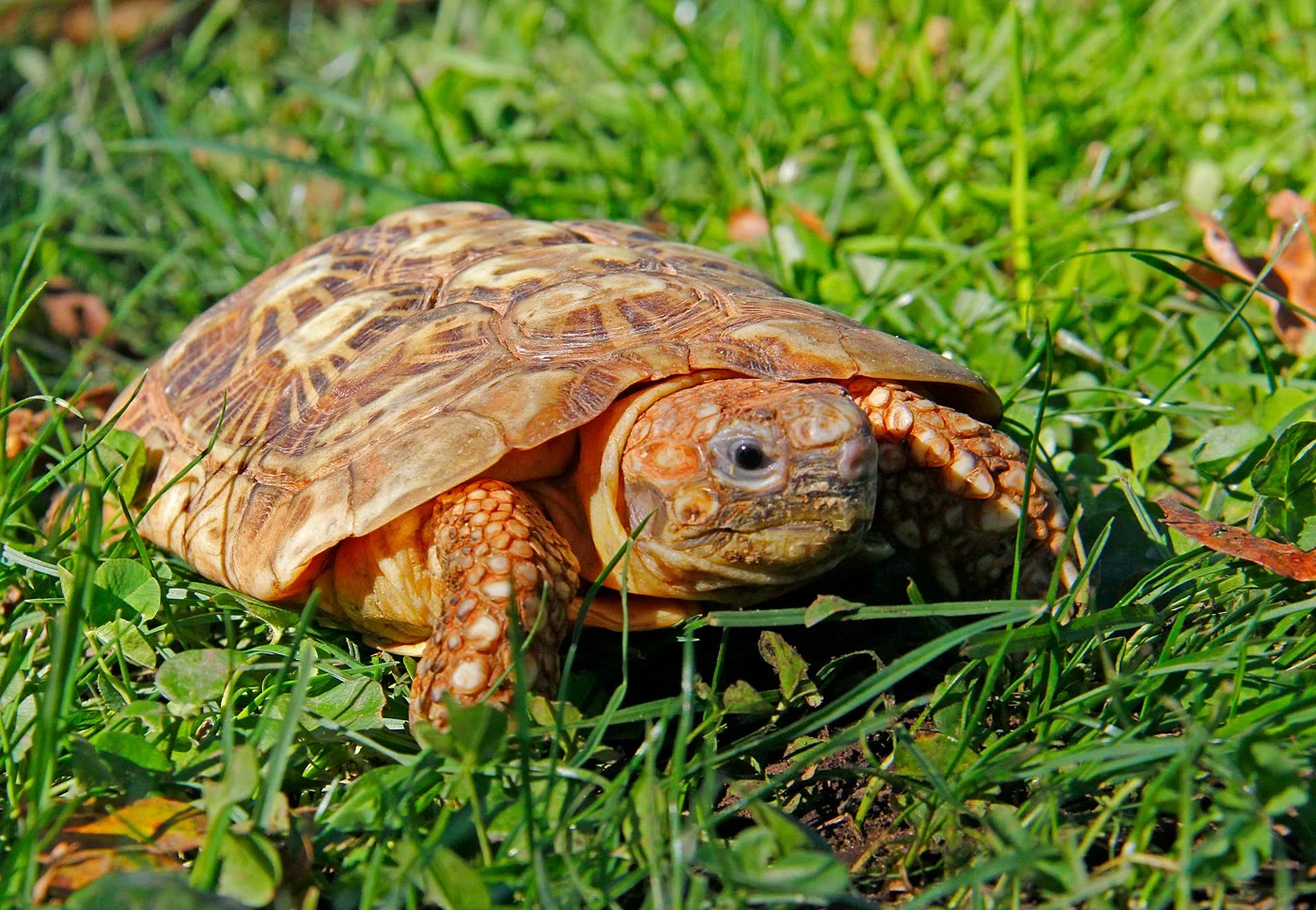
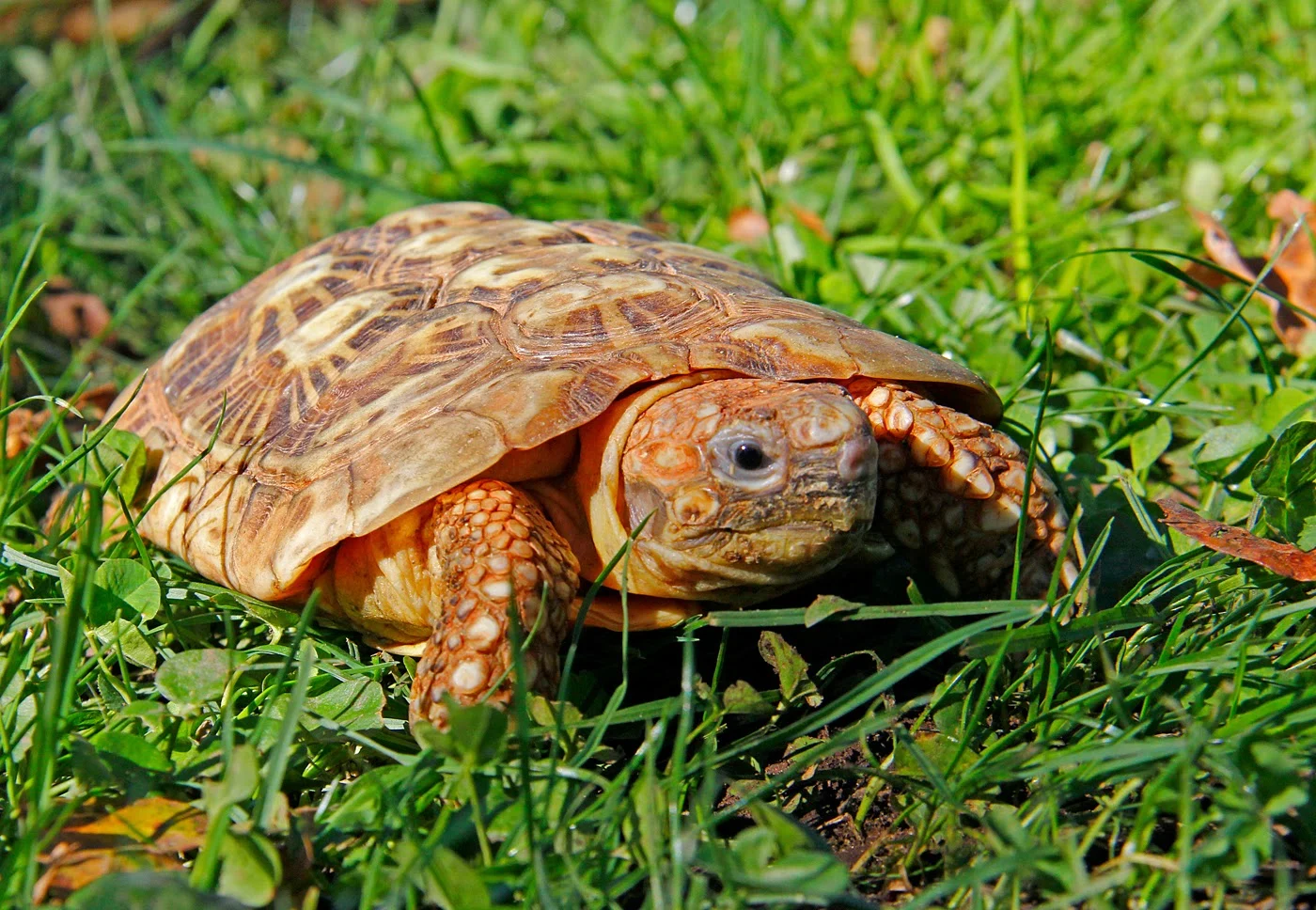
DAR ES SALAAM: PANCAKE tortoises, scientifically known as Pancake tortoise, are among the strangest looking tortoises found in the savannahs of East Africa. Unlike most tortoises, which have thick and heavily domed shells, the pancake tortoise has a shell that is flat, light and flexible around the edges.
The shell is only about one to two centimetres thick, giving the species its unusual “pancake” appearance. Despite being a tortoise, the species is surprisingly fast and agile. Adults usually measure between 14 and 18 centimetres long and weigh less than one kilogramme.
Their flattened shell allows them to squeeze deep into narrow rock crevices to escape predators. Pancake tortoises are native to rocky outcrops in the greater Serengeti ecosystem, where they spend most of their lives hiding in cracks within granite rocks known as kopjes.
The species is herbivorous and mainly feeds on dry grasses, herbs and succulents that grow around the kopjes. Pancake tortoises thrive in hot, dry conditions, preferring basking temperatures between 30 and 35°C with low humidity.
ALSO READ: President Samia hails Serengeti Boys for reaching CAF U-17 final, U-17 World Cup
Scientists consider the pancake tortoise to have one of the most unusual evolutionary histories among tortoises because of its highly specialised shell. Genetic and morphological studies suggest that the species shares a distant common ancestor with several Eurasian and Asian tortoise groups.
However, researchers believe the ancestors of the pancake tortoise were originally more typical domed tortoises living in open habitats. The leading evolutionary hypothesis is that intense predation and competition forced these ancestors away from open ground and into rocky crevices.
In the savannahs of East Africa, mammalian predators, birds of prey and eventually early humans created dangerous conditions for small tortoises living in exposed environments.
Open ground offered little protection, while granite kopjes provided narrow cracks and hiding places that predators could not easily access. Natural selection therefore favoured individuals with flatter, lighter and more flexible shells that could wedge themselves deep inside crevices.
Over time, this habitat-driven adaptive evolution produced the modern pancake tortoise. Although its shell is less effective at resisting bites than the heavily domed shell of most tortoises, it gives the animal access to refuges that predators cannot reach.
The shell itself underwent major morphological changes during this evolutionary process. It became thin, flattened and partially fenestrated, meaning the shell bones developed openings that reduced weight and increased flexibility. Scientists have also observed unusually high variation in the keratin scutes and shell structure within the species, suggesting relatively rapid evolutionary adaptation.
The flattened body also improved mobility and agility. Pancake tortoises became faster and more flexible when moving between rocky shelters to forage, mate, or colonise new kopjes.
At the same time, they evolved a strong dependence on crevice habitats and often aestivate during dry seasons to conserve energy and moisture. Some researchers compare the pancake tortoise with the small crevice-dwelling padloper tortoises of southern Africa.
These tortoises may represent either a convergent evolutionary example or a possible intermediate stage in the adaptation to rocky habitats. Both groups display unusual shell variation associated with crevice-dwelling lifestyles.
The exact evolutionary pathway of the pancake tortoise is still not fully understood because the fossil record for the species is very limited. Most evidence comes from comparisons with living tortoises, genetics and ecological studies.
Current research suggests that the pancake tortoise lineage diverged from other tortoise groups during the Miocene epoch, roughly 15 to 25 million years ago. However, the modern flattened “pancake” body form likely evolved much later.
During the Miocene, East Africa experienced major climatic and geological changes. Uplift and erosion exposed more granite outcrops and rocky hills, while forests gradually shrank and open savannahs expanded. These increasingly dry and rocky landscapes exposed tortoises to greater predation pressure and fewer safe hiding places.
Scientists believe that the decisive shift toward crevice-dwelling probably occurred later, during the Pliocene or early Pleistocene between two and five million years ago. At that time, East African savannahs contained many effective predators, including hyenas, jackals, mongooses, raptors and early humans.
Small tortoises on open ground faced high mortality because mammalian predators could crush or flip traditional domed shells.
The granite kopjes of East Africa offered a solution. Their deep, narrow cracks were inaccessible to most predators. Individuals with flatter and more flexible shells could squeeze into these spaces and survive. The pancake tortoise’s shell, with its flexible sutures and reduced thickness, became perfectly suited for this defensive strategy.
Once wedged inside a crevice, the tortoise is extremely difficult for predators to remove. Researchers have even observed pancake tortoises sharing crevices with other animals, including venomous snakes such as puff adders.
This behaviour demonstrates how important rocky refuges are for survival in predatorrich environments. Unlike large herbivores such as elephants or giant tortoises, pancake tortoises have little influence on plant evolution or landscape structure.
They consume relatively small amounts of vegetation and do not strongly prefer any single plant species. Their diet overlaps with that of insects, rodents, and small antelope, but they do not create enough grazing pressure to shape ecosystems significantly.
Similarly, pancake tortoises do not dramatically alter habitats the way elephants knock down trees or giant tortoises create grazing lawns. Instead, they are best understood as a remarkable evolutionary response to the harsh and predator-filled environments of East Africa. Their unusual shell, agility, and crevice-dwelling lifestyle represent one of the most specialised adaptations among modern tortoises.
Email: rstanslaus@yahoo.com