
DAR ES SALAAM: CHINA and Russia used a joint film screening in Dar es Salaam to showcase the
strength of their longstanding partnership while highlighting new opportunities for
cooperation with Tanzania in areas ranging from agriculture and trade to culture,
skills development and global governance.
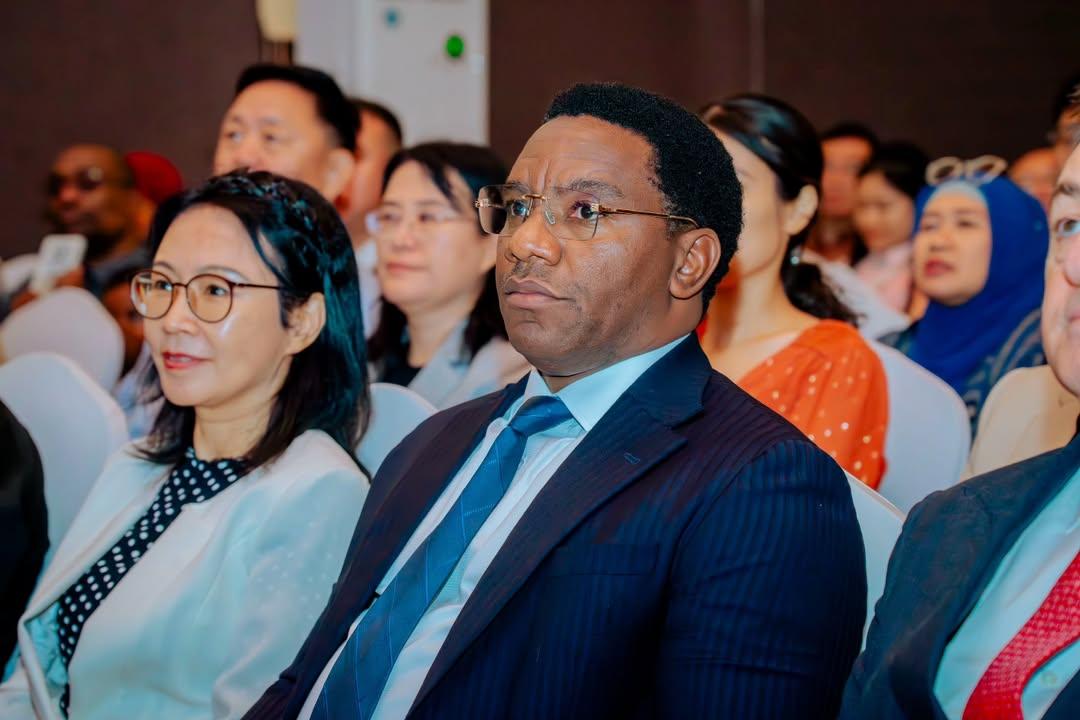
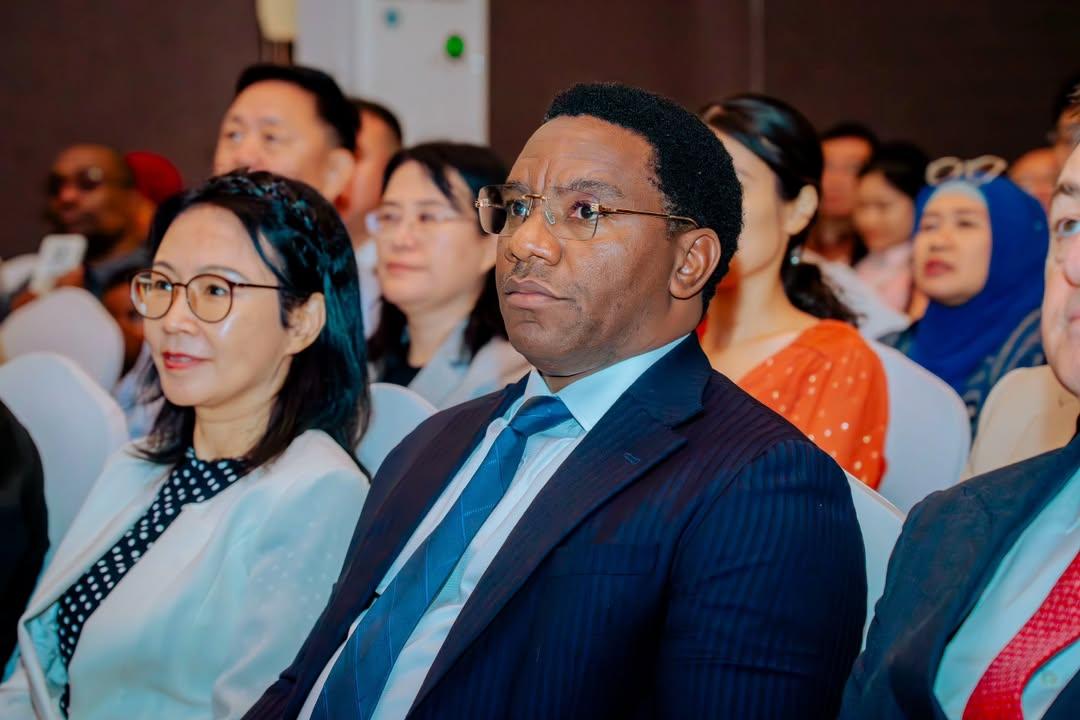
The event, held at the Russian Cultural Center in Dar es Salaam yesterday, brought
together government officials, diplomats, representatives of international
organizations and members of the public to celebrate two significant milestones in
China-Russia relations: the 30th anniversary of the China-Russia Strategic
Partnership of Coordination and the 25th anniversary of the Treaty of Good-
Neighborliness and Friendly Cooperation between the two countries.
Addressing guests, Chinese Ambassador to Tanzania Chen Mingjian described the
relationship between China and Russia as one that has steadily evolved over three
decades despite changing international dynamics.
“This year marks the 30th anniversary of the China-Russia strategic partnership of
coordination. Over the past three decades, the China-Russia relationship has kept
progressing with the times amid changing international dynamics. It has been
growing in stature and now stands at the highest level in history as a
comprehensive strategic partnership of coordination for the new era, setting a
prime example of a new type of major-country relationship,” she said.
The ambassador noted that the friendship treaty signed 25 years ago continues to
guide cooperation between the two nations through principles of non-alliance, non-
confrontation and respect for each other’s sovereignty and interests.
According to Chen, China and Russia have maintained a commitment to equality,
mutual respect, good faith and win-win cooperation, while playing an important
role in promoting international fairness and stability during a period of significant
global change.
She highlighted recent engagements between Chinese President Xi Jinping and
Russian President Vladimir Putin, noting that the two leaders had strengthened
bilateral ties through new agreements covering trade, education, science and
technology, among other sectors.
“Under the joint strategic guidance of the two heads of state, China-Russia
relations have reached a new starting point. The two sides will follow the trend of
the times toward peace, development, cooperation and mutual benefit, and strive
for higher-quality development of bilateral ties,” she said.
The ambassador outlined several areas that will define the next phase of
cooperation between China and Russia. These include strengthening political trust,
expanding economic cooperation, increasing people-to-people exchanges and
enhancing coordination on international affairs.
One of the most notable indicators of the growing relationship, she said, is the
dramatic increase in bilateral trade. Trade between the two countries has grown
from US$10.67 billion in 2001 to US$228.1 billion in 2025, with China remaining
Russia’s largest trading partner for 16 consecutive years.
Beyond commerce, educational and cultural exchanges have also expanded
significantly. More than 80,000 students are currently studying in each other’s
countries, while over 150 educational cooperation institutions and programmes
have been established jointly.
The film screened during the event, Red Silk, was presented as an example of this
growing cultural cooperation. The production tells the story of a messenger of the
Communist Party of China who, with protection from Soviet intelligence officers,
navigates dangerous circumstances to deliver documents considered crucial to the
future of the Chinese revolution.
She further noted that the film reflects the historical friendship between the peoples
of China and Russia and serves as a reminder of the cooperation that existed
between the two countries during revolutionary periods.
She also emphasised the role of China and Russia in multilateral institutions such
as the United Nations, BRICS, the Shanghai Cooperation Organization and the
G20. According to her, both countries are committed to strengthening the voice of
developing nations in global governance and promoting a more balanced
international system.
“The sound development of China-Russia relations serves as a solid pillar for the
process of a multi-polar world and an important source of stability for the
international order,” she said.
“The world today is undergoing major changes unseen in a century, making the
importance of the China-Russia comprehensive strategic partnership of
coordination increasingly prominent.”
Quoting President Xi Jinping, she added: “Those who take real actions are more
likely to succeed, and those who hit the road are more likely to reach the
destination.”
While focusing on China-Russia relations, Ambassador Chen also underlined the
importance of Tanzania in both countries’ international partnerships. She said
China and Tanzania share a friendship dating back to the liberation struggles of the
1950s and 1960s and expressed confidence that Tanzania’s relationship with Russia
is rooted in similar historical experiences.
“China stands ready to work with the international community, including Tanzania
and Russia, to continuously deepen mutually beneficial and win-win cooperation,
actively advance the reform and improvement of the global governance, act as
champions of global fairness and justice, and partners in national development and
rejuvenation, and join hands to forge a brighter future for humanity,” she said.
The event also provided a platform for discussions on practical opportunities that
could emerge from Tanzania’s growing engagement with both China and Russia.
Minister for Information, Culture, Arts and Sports Paul Makonda revealed that
discussions with Russian Ambassador Andrey Avetisyan had identified potential
cooperation in agriculture, particularly grape cultivation and wine production.
According to Makonda, the Russian ambassador pointed to the fertile soils found
on the lower slopes of Mount Kilimanjaro as having significant potential for crops
associated with wine production.
“I was speaking with the Russian Ambassador, and he told me that the areas on the
lower slopes of Mount Kilimanjaro have fertile soil suitable for crops that can
support wine production. We already have wine from Dodoma, so this could be
another opportunity to increase production and add value to our agricultural
products,” Makonda said.
The minister disclosed that Russia has expressed willingness to support Tanzania
through skills transfer and technical training aimed at developing expertise in grape
farming, processing technologies and modern wine production.
“He told me he is ready to work with us by taking young Tanzanians to Russia to
learn how to cultivate grapes, process them, and produce wine so that when they
return home, they can use that knowledge to establish and expand economic
opportunities,” he said.
Makonda said the proposed cooperation reflects the broader benefits Tanzania
continues to derive from its diplomatic relationships with friendly nations. He
noted that partnerships with both China and Russia present opportunities for young
people in investment, trade, entrepreneurship, agriculture and the creative
industries.
The minister said the government remains committed to using international
partnerships to expand employment opportunities, strengthen skills development
and create new economic prospects for Tanzanians.
He also spoke about ongoing efforts to deepen cooperation in the film and creative
sectors between Tanzania, China and Russia. While acknowledging that
discussions and plans are underway, Makonda said not every initiative needs to be
publicly disclosed before implementation.
“I have learned one thing in this country: when you talk too much about good
plans, there are many people who try to undermine them so they do not succeed,
only so they can be the first to criticize you. We have decided to keep some things
confidential so that Tanzanians will simply see the results for themselves,” he said.
According to the minister, his preference is for citizens to judge initiatives based
on outcomes rather than promises. He argued that premature disclosure of projects
can sometimes create unnecessary distractions before plans have matured.
Makonda said the government is increasingly leveraging international relationships
to promote Tanzanian talent, particularly in arts, film and cultural industries. He
expressed optimism that partnerships with China and Russia could create new
opportunities for Tanzanian artists, actors and creative professionals through
exposure to international markets, technology transfer and professional exchanges.
The broader objective, he said, is to ensure that Tanzanian talent receives greater
international visibility and benefits from strategic partnerships that can unlock new
opportunities for growth and innovation.
The discussions and announcements made during the event highlighted how
diplomatic relationships are increasingly extending beyond traditional political
engagement into practical areas such as agriculture, trade, education, technology,
culture and youth development. As China and Russia celebrate key milestones in
their partnership, Tanzania appears poised to explore new opportunities emerging
from its growing cooperation with both nations.