
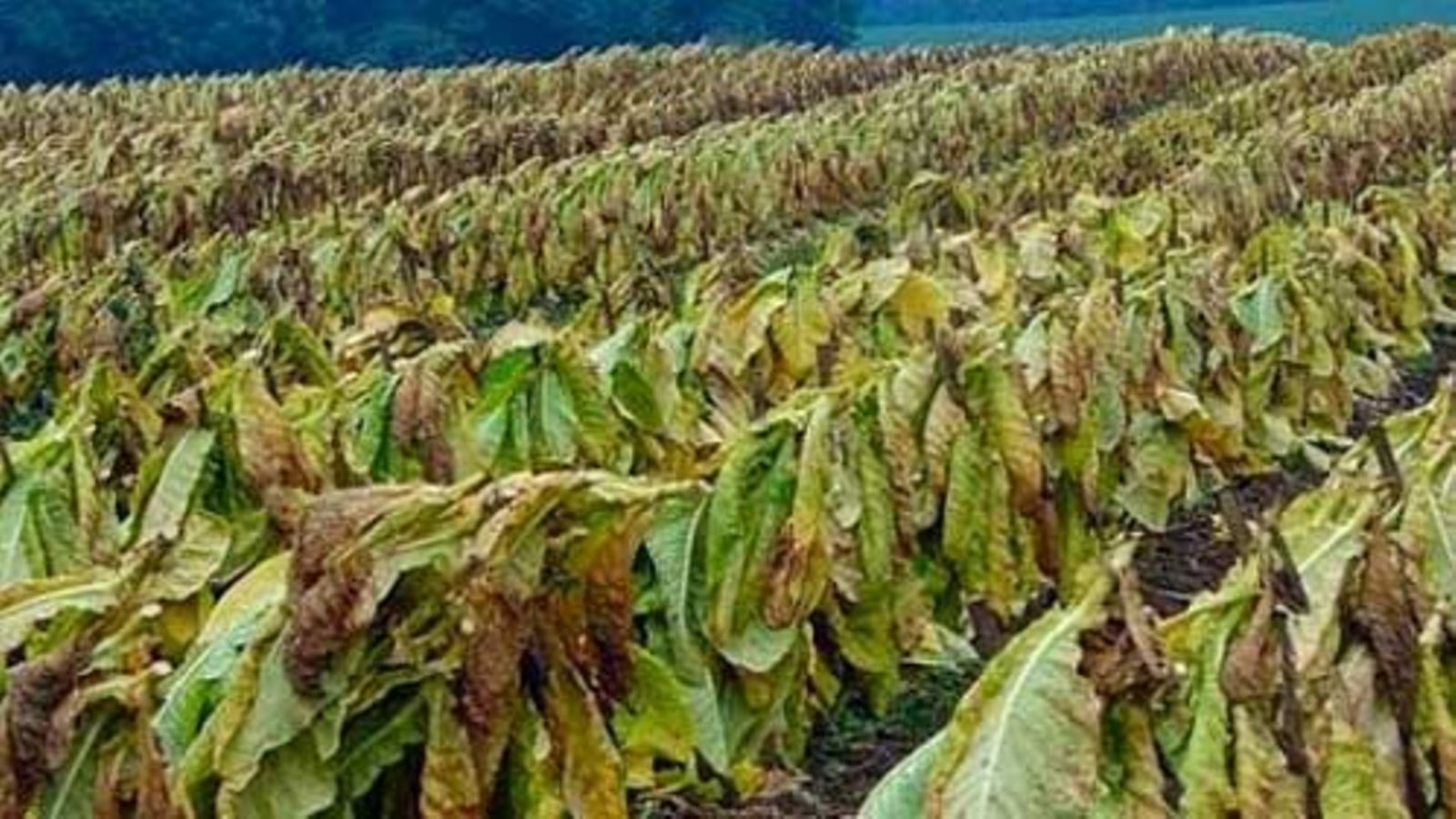

DAR ES SALAAM: TANZANIA has called for deeper coordination among tobacco-producing nations to defend the economic role of the crop, arguing that global regulatory approaches must better reflect the development realities of farmers and exporting countries.
Opening a meeting of like-minded tobaccogrowing countries in Dar es Salaam over the weekend, Minister for Agriculture Daniel Chongolo said tobacco remains a key strategic commodity for several African economies, underpinning export earnings, employment, fiscal revenue and rural industrial activity.
“For our countries, tobacco is not merely a crop; it is a strategic economic commodity,” Chongolo said, adding that international policy frameworks should be guided by scientific evidence and balanced socio-economic assessment, while reflecting the development priorities of producing nations.
He said tobacco remains one of Tanzania’s leading export crops, supporting rural livelihoods and feeding into value-added industries. Under Vision 2050, agriculture is expected to remain a core driver of economic transformation, with cash crops such as tobacco playing a central role in export growth and industrial expansion.
Chongolo said the crop supports more than 120,000 registered farmers in Tanzania, with hundreds of thousands more engaged in logistics, processing and marketing. In the 2024/25 season, farmers earned over 411 million US dollars from about 160.9 million kilogrammes of tobacco, highlighting its role in incomes and foreign exchange earnings.
He said the crop’s importance extends beyond Tanzania, citing Malawi where it accounts for about half of foreign exchange earnings and remains a key driver of rural employment and macroeconomic stability across several producer countries.
Chongolo called for stronger regional cooperation in research, climate adaptation, technology transfer and value addition to boost competitiveness.
He also urged improved access to finance, extension services and structured markets for smallholder farmers, who form the backbone of the sector.
ALSO READ: Country launches 50th DITF to spur investment
He said the Dar es Salaam meeting is expected to strengthen a common position among producing countries and deliver practical outcomes to improve sustainability and protect economic interests across the tobacco value chain.
Tanzania Tobacco Board Chairman, Victor Mwambalaswa said longterm sector viability depends on improving farmer welfare, noting that growers remain central to production and industry stability. He said the meeting provides a platform to share experiences and coordinate responses to market and production challenges.
Zimbabwe’s Deputy Chief Secretary for Policy Analysis, Coordination, Devolution and Development Planning Dr Willard Manungo said tobacco remains a key pillar of his country’s economy, with output targeted to rise to 400 million kilogrammes in 2026 from 355 million kilogrammes this year.
He said the sector generated more than 1.2 billion US dollars for farmers last season and supports over 135,000 households. Zimbabwe is implementing its Tobacco Value Chain Transformation Plan (2026–2030) to raise output to 500 million kilogrammes while expanding local processing and value addition.
The strategy aims to boost farmer incomes, increase foreign currency retention through domestic processing and improve global competitiveness, while promoting sustainability through afforestation, energy-efficient curing technologies and climate-smart agriculture.
Dr Manungo acknowledged challenges including global oversupply and price volatility, but said closer cooperation among producing countries is essential to improve resilience, stabilize markets and secure better returns for farmers across the continent.