
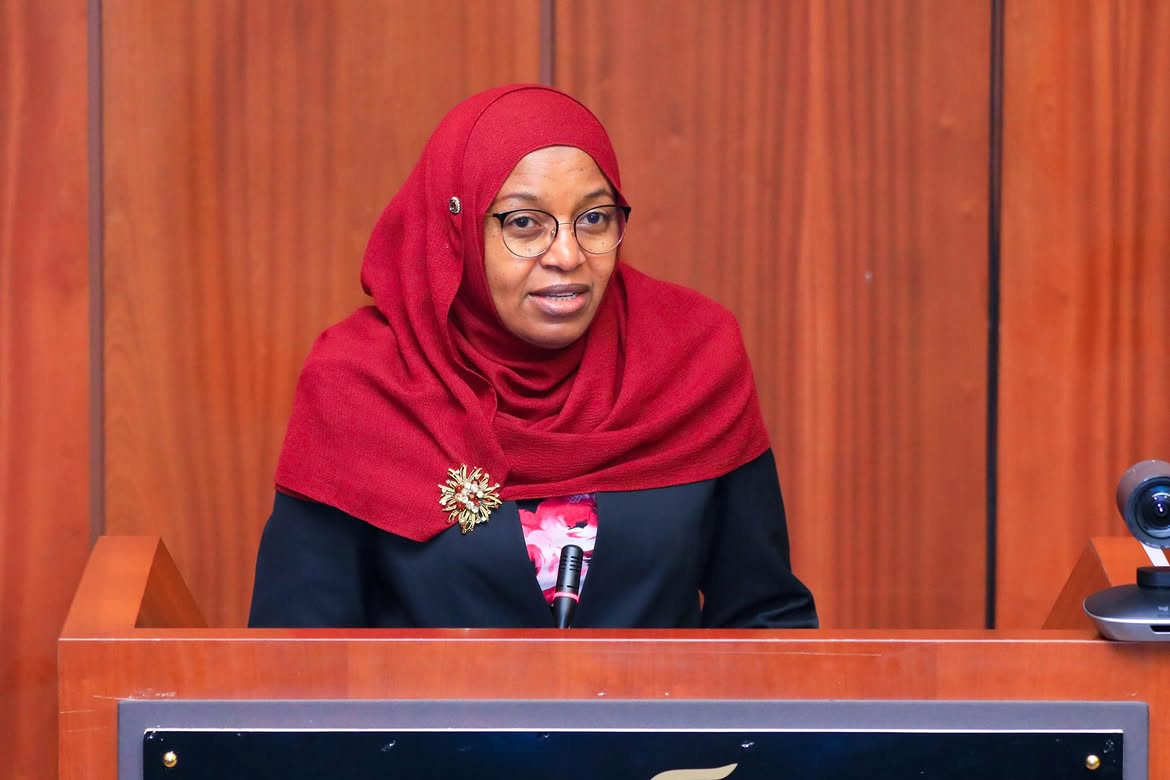
DAR ES SALAAM: GROWING financial literacy is steadily transforming the way Tanzanians manage money, with more citizens now investing even with limited resources, a development that marks a significant milestone in the country’s financial inclusion agenda, the Bank of Tanzania (BoT) Deputy Governor, Ms Sauda Msemo, has said.
Speaking yesterday during the opening of the 2026 Financial Education Forum, Ms Msemo said sustained financial education programmes implemented jointly by the central bank and other stakeholders are significantly improving public understanding of financial products and investment opportunities.
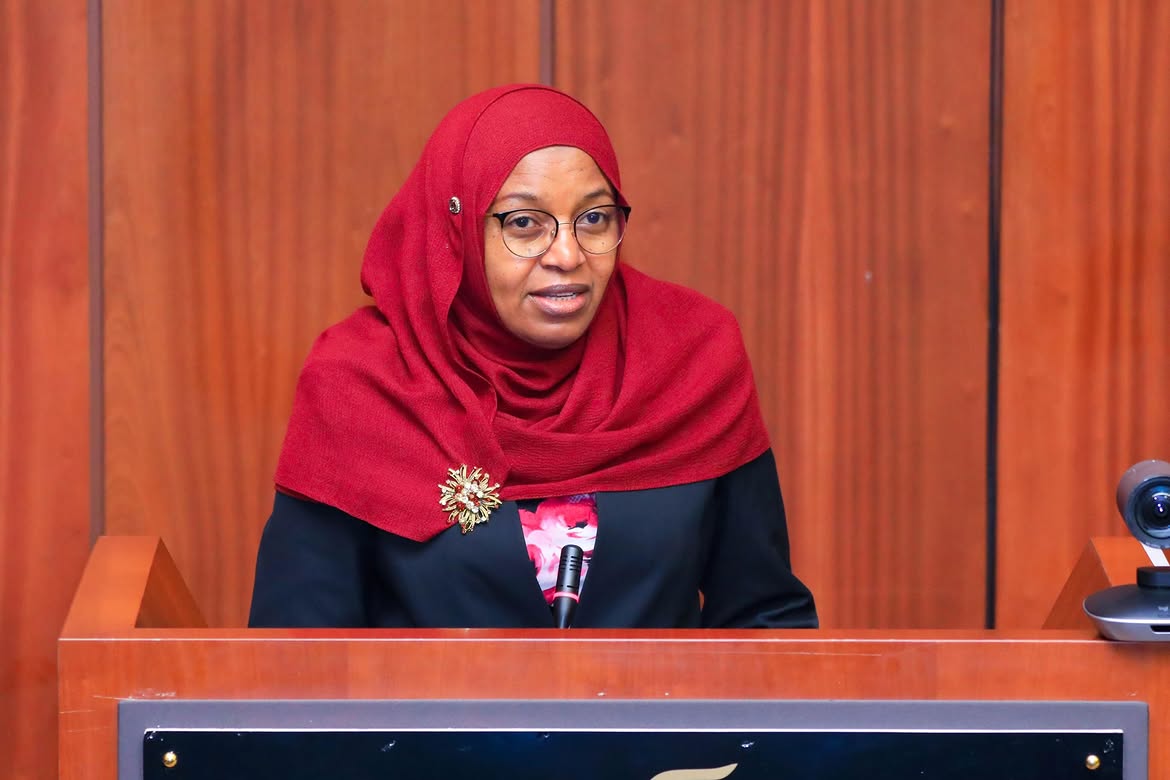
“We are seeing encouraging results from our continued financial education efforts. More people are now investing even with small amounts of money, which is a major achievement in advancing financial inclusion,” she said.
She added that rising financial literacy is helping citizens make informed financial decisions, improve saving habits, and identify investment opportunities capable of generating higher returns.
The annual forum, held under the theme “Financial Education for Our Shared Development,” brought together policymakers, financial regulators, educators, financial institutions and development partners to assess progress in expanding financial literacy across the country.
The initiative seeks to evaluate ongoing efforts to ensure financial education reaches more people in a sustainable manner and supports broader access to formal financial services.
Ms Msemo noted that the government has continued to strengthen the country’s financial education infrastructure through the National Financial Inclusion Council under the Third National Financial Inclusion Framework (2023–2028), as well as the Financial Sector Development Master Plan (2020/21–2029/30).
She said that as of June this year, about 1,670 Certified Financial Educators (CFEs) had been trained and certified to deliver financial literacy programmes nationwide, while 14 institutions have been accredited to train financial educators.
She further noted that financial education has now been integrated into primary and secondary school curricula, while guidelines have also been developed for higher learning institutions to mainstream financial literacy.
Meanwhile, the Certified Financial Educators (CFEs) Association President, Mr Mark Peter, said the growing network of certified educators is already changing financial behaviour across the country.
ALSO READ: BoT gets nod for steering economic stability
He said the association plans to establish regional chapters in every region before expanding to district, council and village levels to ensure financial education reaches citizens with limited access to digital platforms.
“Our goal is to ensure every Tanzanian, regardless of location, understands available financial opportunities and has the knowledge needed to improve income and secure a better financial future,” he said.
He added that expanded financial education is fostering greater discipline in money management, helping citizens adopt better financial habits, manage resources more effectively and plan for the future.