
ZANZIBAR: LAND has always been one of Zanzibar’s most precious resources. But with a fastgrowing population, rapid urbanisation and increasing demand for housing, investment and public infrastructure, pressure on the archipelago’s limited land has reached unprecedented levels.
Faced with these growing challenges, the government of Zanzibar is accelerating reforms in land administration and housing development. Through digital land management systems, expanded access to land titles and investment in modern housing projects, the government is reshaping how land is planned, allocated and managed to ensure sustainable development.
Officials say the era of piecemeal solutions is over. Instead, Zanzibar is embracing a coordinated, technology-driven approach aimed at improving transparency, enhancing service delivery and unlocking land’s full potential as a catalyst for economic growth and improved living standards.
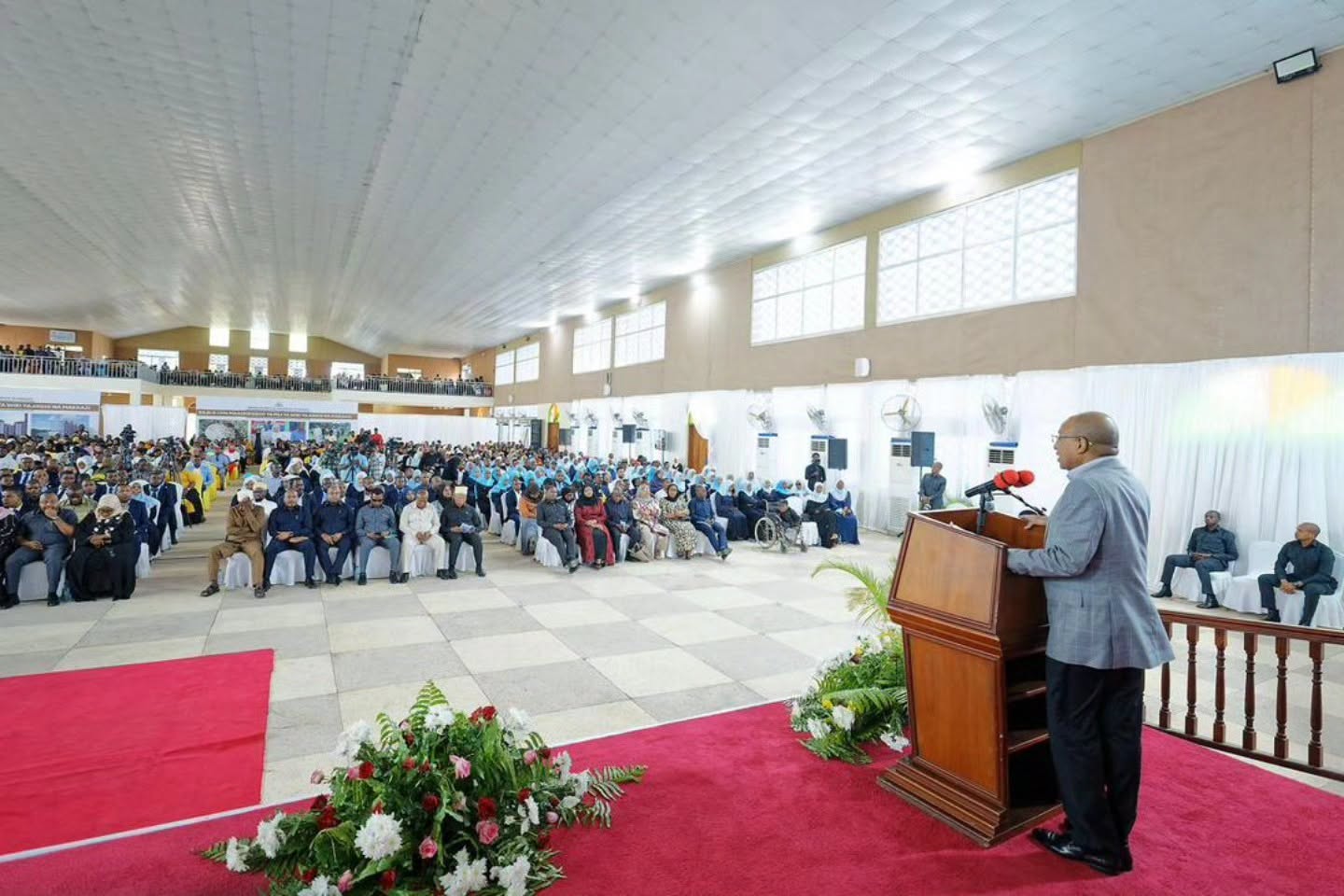
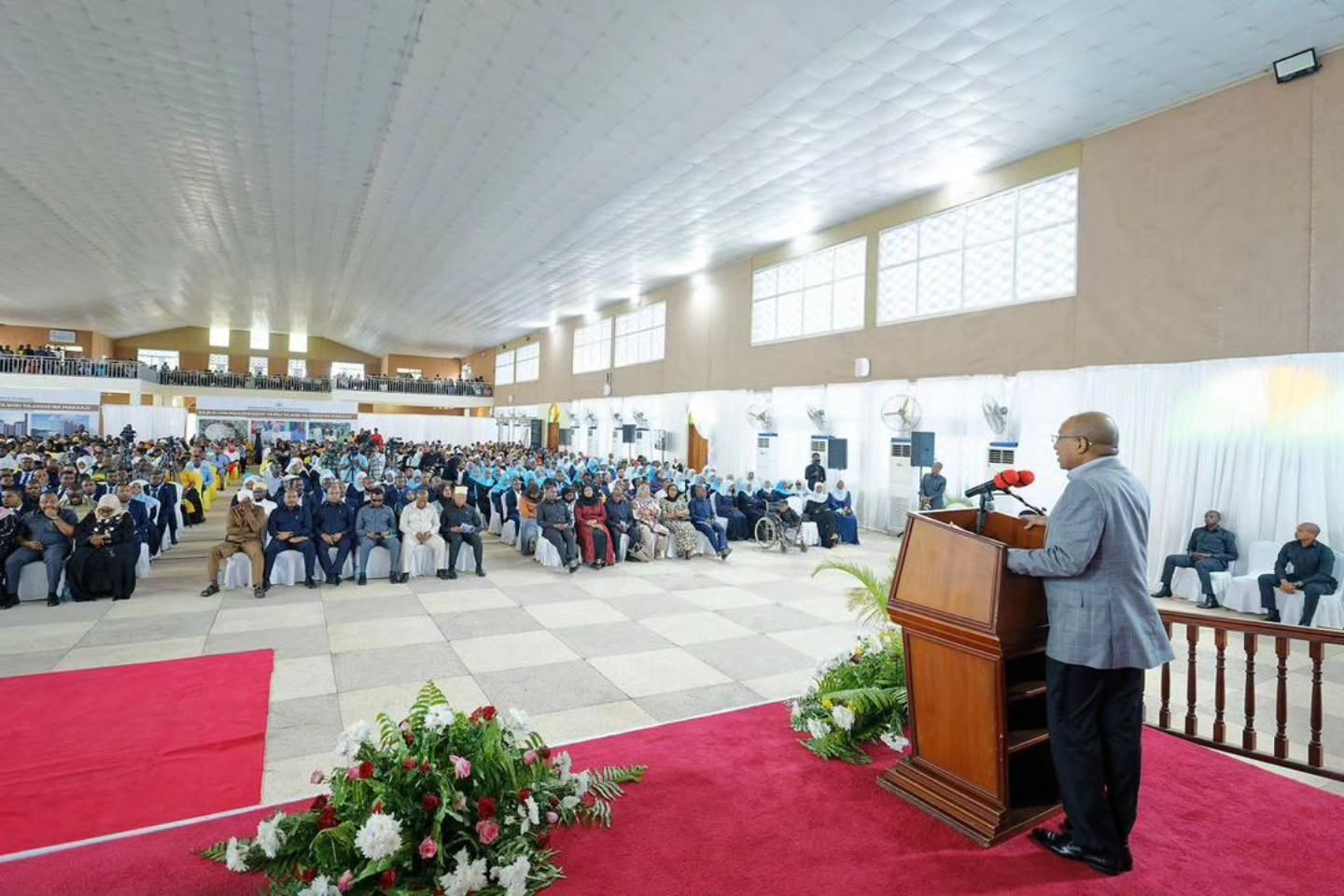
At the heart of this transformation is Zanzibar President Dr Hussein Ali Mwinyi, who has made land reform a cornerstone of the government’s development agenda.
Speaking at the climax of the Second Land and Housing Week 2026, Dr Mwinyi stressed the need to build a robust and efficient land management system capable of ensuring the sustainable use of one of the islands’ scarcest resources.
“Land is fundamental to economic growth and social wellbeing. Without proper planning and management, it can easily become a source of conflict rather than opportunity,” he said.
For Zanzibar, where land is inherently limited by its island geography, the challenge is becoming increasingly complex. Population projections show the archipelago could be home to about 3.6 million people by 2050, while climate change continues to reduce usable land through coastal erosion and environmental degradation.
At the same time, rapid urbanisation, expanding tourism investment and a growing youth population are driving unprecedented demand for land for housing, businesses and public infrastructure. Authorities say these pressures have, over the years, fuelled land disputes, informal settlements and inefficient land use.
To address these challenges, the government is undertaking one of the most ambitious reforms in the sector’s history by shifting from manual to digital land administration.
The nationwide land registration and management programme includes the establishment of regional land information centres, digitisation of land records, development of modern surveying systems and the introduction of an Integrated Land Information System.
Zanzibar Minister for Lands and Human Settlements Development, Ms Rahma Kassim Ali said the reforms are intended to ensure that all land is properly identified, surveyed, allocated and registered, bringing greater transparency, efficiency and accountability to a sector that has long been hampered by fragmented records.
She said the reforms are also expected to significantly reduce land disputes, many of which arise from unclear ownership, overlapping claims and informal land transactions.
Beyond digitising records, the government is transforming the way land services are delivered. During the 2026 Land and Housing Week, mobile outreach programmes popularly known as “land clinics” were conducted across Unguja and Pemba, bringing essential services directly to communities.
The clinics offered land title registration, public education on land rights and responsibilities, and dispute resolution services, enabling residents to access government services without travelling long distances.
The week-long programme also featured environmental clean-up campaigns, public dialogues and inspections of ongoing land infrastructure projects, underscoring the government’s commitment to linking policy reforms with community participation.
Executive Secretary of the Zanzibar Land Commission, Mr Mussa Kombo Bakari, said the initiative has already helped raise public awareness and contributed to a decline in land-related disputes.
Recognising that effective land management must go hand in hand with adequate housing, he said the government is also investing heavily in large-scale residential developments. The strategy is to maximise the efficient use of limited land by promoting modern, high-density housing capable of accommodating a growing urban population.
The government’s commitment to modern urban development is also evident in its ambitious housing programme. Thousands of modern housing units are under construction in Kisakasaka, Kikwajuni and Chumbuni, alongside major commercial developments such as the Maisara Complex.
To make home ownership more accessible, the government is preparing affordable financing schemes that will enable public servants and other citizens to purchase houses through low-cost loans. The initiative is expected to ease the housing shortage while promoting more efficient use of the islands’ limited land resources.
These reforms are closely aligned with the Zanzibar Development Vision 2050, which identifies land as a strategic national asset that must be managed through efficient planning, secure land tenure and sustainable utilisation. The Vision also places strong emphasis on digital governance, planned urbanisation and environmental conservation—priorities that are increasingly reflected in the government’s ongoing reforms.
At the international level, Zanzibar’s initiatives are consistent with the United Nations Sustainable Development Goals (SDGs), particularly Goal 11 on sustainable cities and communities, Goal 15 on protecting terrestrial ecosystems, Goal 1.4 on equitable access to land ownership and Goal 13 on climate action and resilience.
By aligning its reforms with both national aspirations and global development frameworks, Zanzibar is positioning itself as a model for sustainable land governance in small island economies.
Even so, authorities acknowledge that significant challenges remain.
Executive Secretary of the Zanzibar Land Commission, Mr Mussa Kombo Bakari said illegal land sales, unregulated brokers and rapidly changing land markets continue to threaten orderly land administration.
In many cases, he noted, members of the public fall victim to fraudulent transactions because they fail to verify ownership through official channels.
To curb these practices, the government has intensified public awareness campaigns while urging prospective buyers to confirm land ownership through authorised government offices before completing any transaction.
For Zanzibar, land reform is far more than an administrative exercise, it is an investment in the islands’ future. With finite land resources, a rapidly growing population and rising demand for housing, infrastructure and investment, the need for effective land governance has never been greater.
ALSO READ: New projects reshape Zanzibar land sector
If the current reforms achieve their intended goals, they will not only reduce conflicts and improve public services but also unlock new economic opportunities, transforming land from a source of contention into a catalyst for inclusive and sustainable development.
As President Dr Hussein Ali Mwinyi aptly observed: “Proper land use planning is the foundation of sustainable development.”