
CAPE TOWN: In Cape Town Africa’s energy landscape remains one of the most critical development challenges of the 21st century, shaping everything from industrial growth to education, healthcare, and job creation across the continent. Despite being rich in renewable energy potential including some of the world’s highest solar irradiation levels and vast hydro, wind, and critical mineral resources.
Africa continues to face a significant electricity access gap. According to global energy assessments, more than 570 million people in Sub-Saharan Africa still live without access to electricity, while many millions more experience unreliable and expensive power supply that limits economic productivity and industrial expansion.
This energy deficit has translated into a broader development constraint, with businesses relying on costly diesel generation and rural communities remaining largely disconnected from national grids. The International Energy Agency estimates that Africa requires tens of billions of dollars in annual investment to achieve universal access and support rising demand driven by rapid population growth and urbanization.
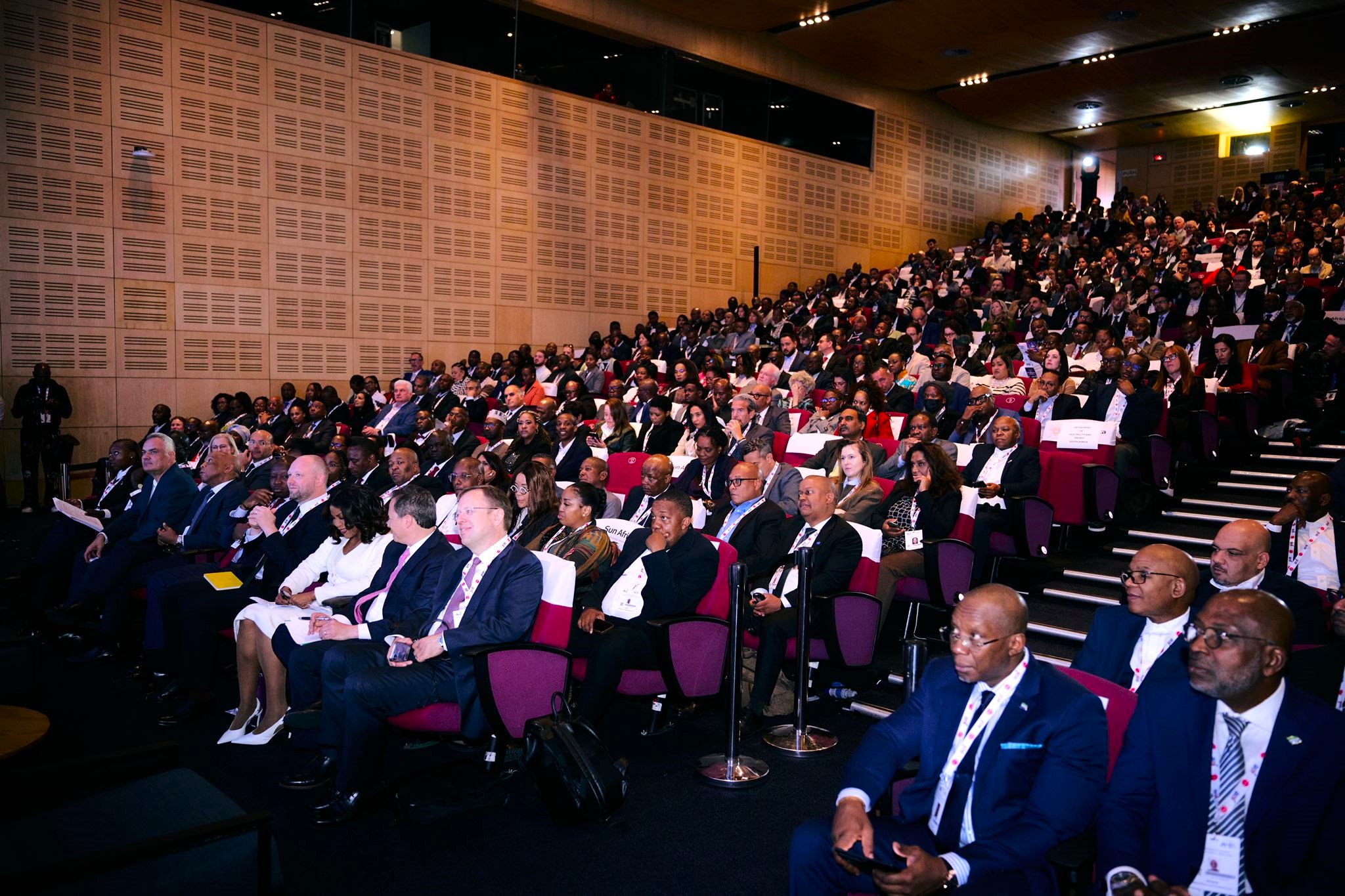
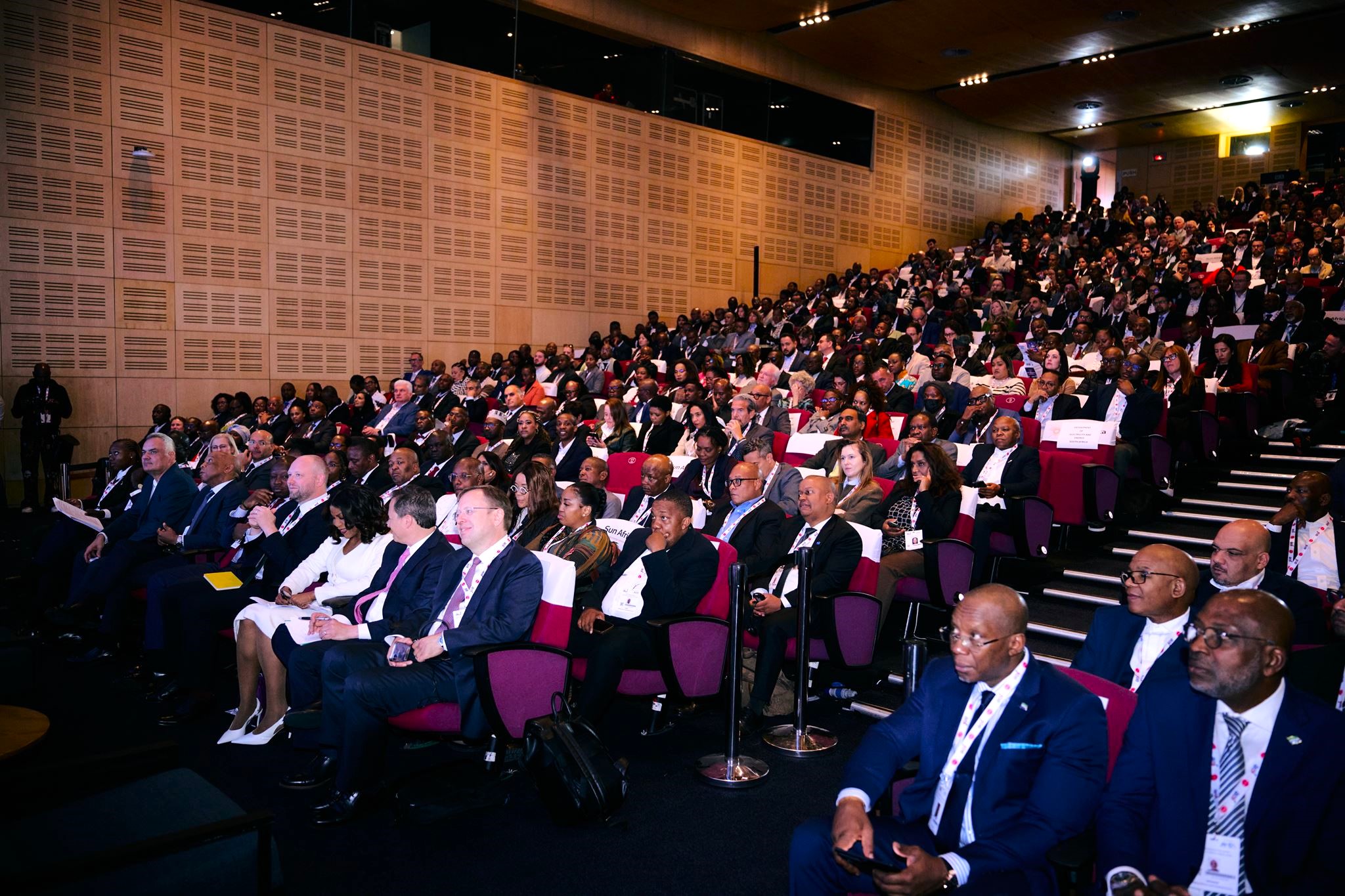
Yet current investment levels remain far below what is needed, creating a widening gap between ambition and implementation. It is within this context of urgency and opportunity that the Africa Energy Forum (AEF) 2026 opened in Cape Town, bringing together policymakers, investors, and energy leaders under a shared recognition that Africa’s future industrialization depends fundamentally on how quickly and effectively it can expand access to reliable, affordable, and sustainable electricity.
At the center of these discussions is Mission 300 an ambitious continental initiative aiming to connect 300 million Africans to electricity by 2030 which is increasingly being framed not only as an electrification programme, but as a blueprint for Africa’s industrial transformation.
Speaking during the opening the Managing Director of the Energy Net Simon Gosling narrated that, At the deepest level, the forum helps Africa move from fragmented energy planning to coordinated continental execution.
He noted, “One of Africa’s biggest challenges is not lack of resources, but lack of coordination between countries, investors, and infrastructure systems,”
“AEF brings ministers, utilities, financiers, and private developers into one space where projects can be aligned, risks can be discussed openly, and cross-border energy solutions can be negotiated. This is especially important for initiatives like the Africa Single Electricity Market, which requires countries to think beyond national grids and towards shared continental power systems.,” he explained He emphasized that, “A major benefit is unlocking investment for infrastructure gaps.
Africa’s energy sector requires tens of billions of dollars annually, yet financing consistently falls short. Forums like AEF are where governments present bankable projects, where development finance institutions structure funding packages, and where private investors identify opportunities,”
“Without this kind of platform, many energy projects would remain stuck at policy level. With it, they can move closer to financial closure and implementation. In simple terms, AEF acts as a bridge between “plans on paper” and “projects on the ground,” Gosling added “Another critical impact is the acceleration of energy access through Mission 300 and similar programmes. The forum gives visibility and momentum to large-scale electrification targets such as connecting 300 million Africans to electricity by 2030,” he elevated.
To his part the founder and Chairman of Sun Africa Goran Rajsic explained that, these targets are not just political statements; they become operational roadmaps when supported by partners who commit funding, technology, and execution capacity.
“The update that over 50 million people have already been connected under Mission 300 shows how such coordination can translate into real progress,” he noted.
ALSO READ: Powering Tanzania’s future through strategic energy investment and infrastructure growth
He highlighted, the broader benefit is that electrification directly improves livelihoods enabling schools to function properly, clinics to operate safely, and small businesses to grow. “AEF also strengthens Africa’s push for industrialization through energy security.
Reliable electricity is the backbone of manufacturing, mining value addition, digital economies, and agricultural processin,” he added He mentioned that, “Without it, Africa exports raw materials but imports finished goods. With stable power, countries can begin to industrialize locally, creating jobs and increasing GDP retention within the continent.
The forum therefore links energy policy directly to economic transformation rather than treating it as a standalone sector,” He elaborated that, “Another important benefit is the promotion of decentralized renewable energy (DRE) solutions, such as mini-grids and solar home systems.
These technologies are crucial for rural and hard-to-reach areas where extending national grids is too expensive or slow,” Dr Kgosientsho Ramokgopa the Minister of Electricity and Energy in South Africa briefed that, by showcasing new financing models like energy-as-a-service and service-based investment approaches, the forum helps shift the sector away from hardware-only thinking towards delivery-based systems that prioritize outcomes meaning actual electricity access, not just infrastructure construction.
“The forum also strengthens regional integration and energy trade. Africa has uneven energy distribution: some countries have surplus generation capacity while others face chronic shortages.
Through platforms like AEF, regional power pools in West, East, and Southern Africa can be strengthened, allowing electricity to flow across borders,” he pointed out He highlighted that, this reduces waste, improves efficiency, and lowers the overall cost of power. In the long term, this kind of integration is essential for a competitive African industrial base. He factored out, “AEF plays a powerful role in shaping political will and accountability.
When ministers publicly commit to targets, and when progress such as Mission 300’s achievements is tracked in front of global stakeholders, it creates pressure for delivery,” He mentioned that, “It transforms energy access from a distant development goal into a measurable obligation. That visibility helps reduce policy stagnation and encourages faster reforms in regulation, procurement, and investment conditions,”
“The Africa Energy Forum is not just a meeting space. It functions as a continental engine for alignment, financing, and execution. Its biggest contribution is turning Africa’s energy ambitions into coordinated action and in doing so, it directly supports the continent’s long-term goals of universal electricity access, industrial growth, and economic transformation,” he concluded.
The Africa Energy Forum (AEF) 2026 has reaffirmed a critical truth about the continent’s development path: Africa’s future growth will be determined by how effectively it can transform its vast energy potential into reliable, affordable, and accessible power for all.
The discussions in Cape Town highlighted that the challenge is no longer about identifying solutions, but about accelerating their implementation at scale. Initiatives such as Mission 300 have emerged as powerful symbols of this new phase, shifting the focus from long-term planning to urgent delivery.
The commitment to connect hundreds of millions of Africans to electricity by 2030 reflects a broader recognition that energy access is the foundation of industrialisation, job creation, and improved living standards. Without it, Africa’s demographic advantage risks becoming an economic burden; with it, it can become the world’s most dynamic growth engine.
The forum also made clear that achieving these goals will require stronger collaboration between governments, the private sector, and development partners. Investment gaps, regulatory barriers, and infrastructure deficits remain significant, but they are not insurmountable.
What is required now is political will matched with execution discipline. Ultimately, aef 2026 has set the tone for a more action-oriented energy agenda. The message is simple but urgent: Africa’s energy transformation must move from ambition to delivery, and from promise to power on the ground.