
CAPE TOWN: Mission 300 emerges as Africa’s blueprint for energy and economic transformation By AGAPE GODRICH In Cape Town Africa’s energy future is increasingly being shaped not only by the scale of its natural resources, but by the urgency of turning long-standing ambitions into measurable results on the ground.
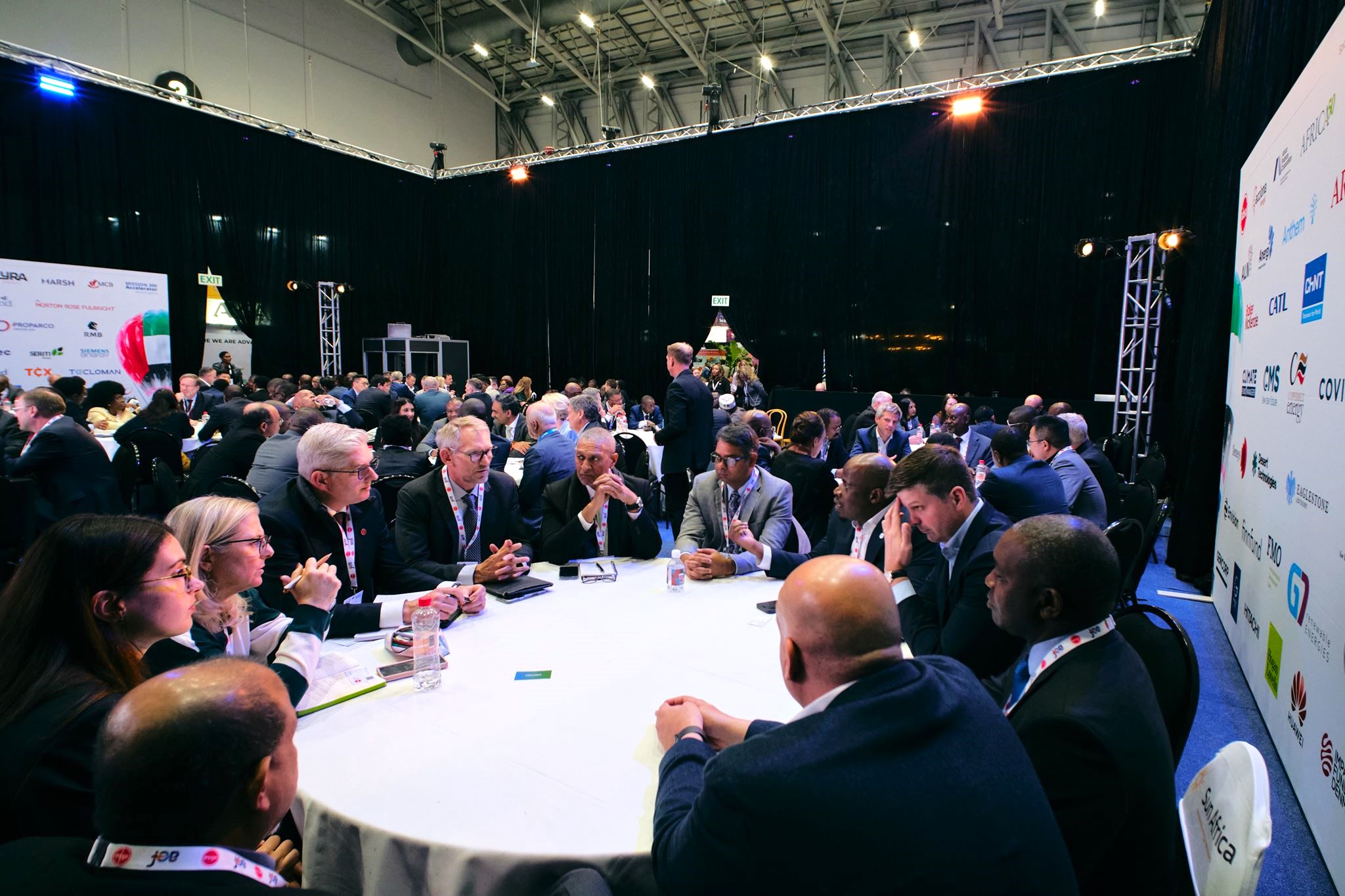
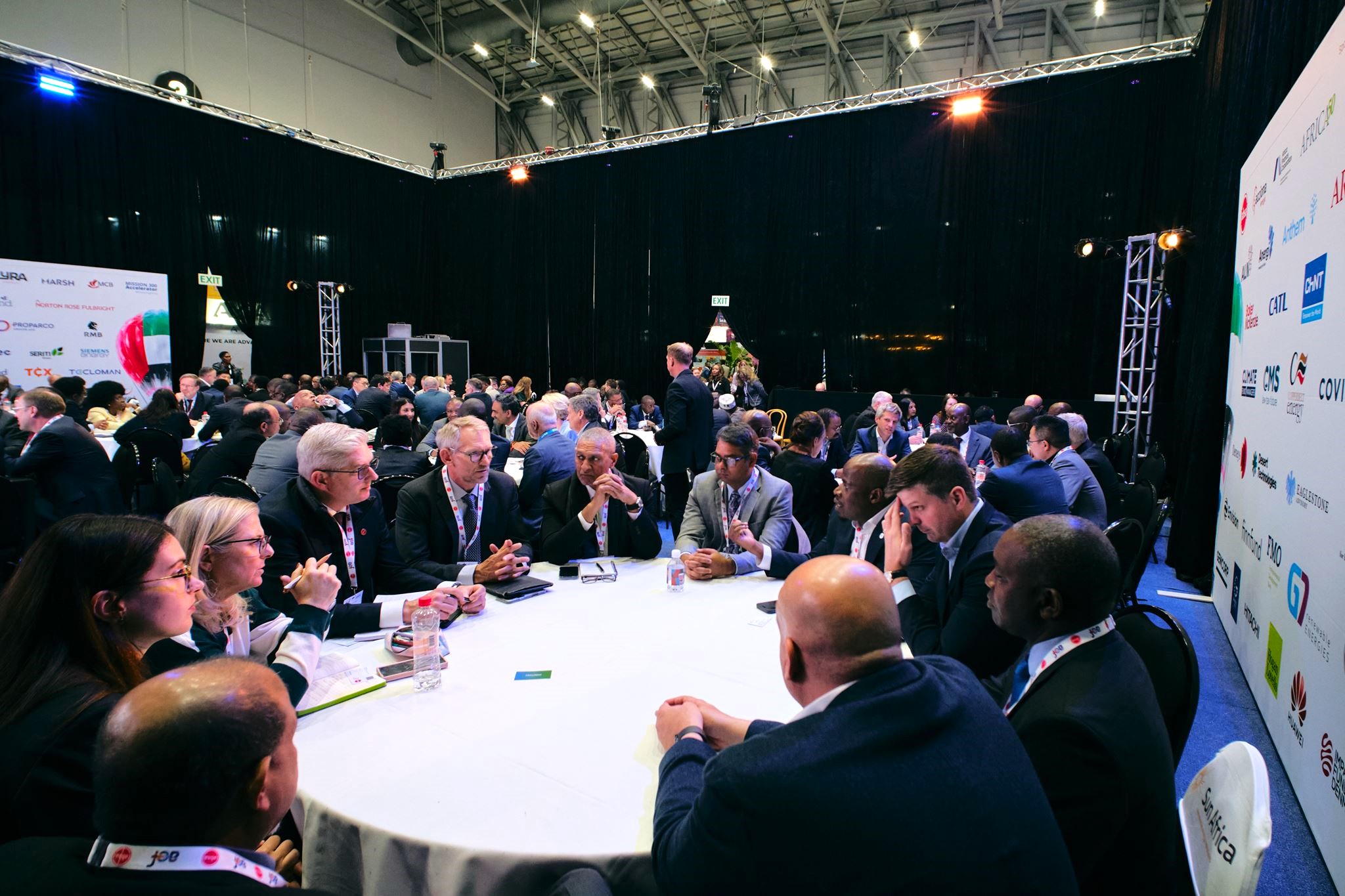
Nowhere was this more evident than at the Africa Energy Forum (AEF), where discussions in Cape Town placed a spotlight on one of the continent’s most ambitious electrification drives known as Mission 300.
ALSO READ: Powering Tanzania’s future through strategic energy investment and infrastructure growth
The initiative which seeks to connect 300 million people to electricity by 2030, has emerged as a defining framework for how governments, investors, and development partners are rethinking energy access, industrialization, and economic transformation.
At the opening of the summit, industry leaders and policymakers painted a picture of both opportunity and pressure. Africa’s energy deficit remains one of the most persistent barriers to development, with hundreds of millions still living without access to reliable electricity.
Against this backdrop, Mission 300 was repeatedly framed not simply as a target, but as a test of execution capacity across the continent’s energy ecosystem.
Speaking during the forum, The Minister of Energy and Petroleum from Senegal Dr Abdourahmane Diouf emphasized that the real challenge has never been a lack of potential, but rather fragmentation in planning and delivery.
“Mission 300 carries wide-ranging benefits for African countries, especially in addressing long- standing energy deficits and unlocking broader economic transformation. At its core, the initiative aims to connect 300 million people to electricity by 2030, but its impact goes far beyond electrification alone,” he indicated
He added that, “One of the most immediate benefits is improved energy access for households and communities. Millions of people who currently live without reliable electricity will gain access to basic power, which directly improves quality of life,” He remarked that, “This means better lighting for homes, improved study conditions for students, and safer living environments.
In rural and underserved areas, electricity access also reduces reliance on expensive and polluting alternatives such as kerosene and diesel generators,” Diouf explained that, “Mission 300 also has a strong impact on healthcare and education systems.
With stable electricity, health facilities can properly store vaccines, operate essential medical equipment, and provide emergency services without interruption,” He highlighted that, Schools benefit from improved learning environments, digital tools, and extended study hours, all of which contribute to better educational outcomes and human capital development.
“From an economic perspective, the initiative is expected to stimulate job creation and industrial growth. Reliable electricity is a foundation for manufacturing, agro-processing, mining value addition, and digital industries,” he indicated He pointed that, “When businesses have access to stable power, production costs decrease, productivity increases, and new investment opportunities emerge,”
“This helps countries shift from exporting raw materials to producing finished goods locally, increasing national income and strengthening economic resilience,” he explained.
ALSO READ: Africa energy forum urges shift from energy ambition to delivery for Africa’s growth
To his part the Mission 300 Accelerator CEO Andrew Herscowitz elaborated that, another key benefit is the expansion of renewable energy systems across the continent. Mission 300 encourages investment in solar, hydro, wind, and mini-grid solutions, particularly in remote areas where extending national grids is costly.
“The initiative also strengthens regional integration through cross-border power trade. Some countries have excess electricity generation capacity while others face shortages. By improving interconnection between national grids, Mission 300 allows electricity to flow across borders, reducing waste, lowering costs, and improving overall energy efficiency in regional markets,” he explained.
He pointed that, “In addition, Mission 300 attracts increased private sector investment and development financing. Large-scale electrification targets create bankable projects that encourage participation from investors, development finance institutions, and international partners,”
He stressed that, “This helps bridge Africa’s significant energy financing gap and accelerates infrastructure development. Mission 300 supports long-term economic transformation by linking energy access directly to industrialization,”
He described that, “Without electricity, industrial growth is limited; with it, countries can develop competitive economies, create sustainable jobs, and improve GDP growth,”
“In this sense, the initiative is not only about powering homes, but about powering entire economies toward inclusive and sustainable development,” he noted
“Beyond expanding electricity access, Mission 300 is increasingly being viewed as a strategic development instrument capable of reshaping Africa’s long-term economic outlook. Energy experts at the forum emphasized that the initiative is designed not only to close the electricity,” he reflected.
“Access gap but also to create conditions that enable inclusive growth across sectors. As African economies continue to experience rapid urbanisation, population growth, and increasing demand for industrial output, access to reliable electricity is becoming one of the defining factors of competitiveness and resilience,” he urged.
He detailed that, “From an economic perspective, the initiative is expected to stimulate job creation and industrial growth. Reliable electricity is a foundation for manufacturing, agro- processing, mining value addition, and digital industries.,”
“When businesses have access to stable power, production costs decrease, productivity increases, and new investment opportunities emerge. This helps countries shift from exporting raw materials to producing finished goods locally, increasing national income and strengthening economic resilience,” he concluded.
The role of digital transformation was also identified as an important outcome linked to Mission 300. As economies become increasingly technology-driven, electricity access becomes essential for internet connectivity, digital financial services, innovation ecosystems, and the growth of technology-enabled enterprises. Delegates observed that the expansion of energy infrastructure could accelerate the growth of digital economies and improve participation in global markets.
In addition, Mission 300 was presented as an opportunity to strengthen energy resilience across the continent. Diversified energy systems that combine grid expansion with renewable and decentralized solutions can help countries respond more effectively to climate pressures and supply disruptions.
Delegates stressed that increasing access through cleaner and more flexible technologies will allow countries to pursue economic growth while supporting sustainability goals. Several participants concluded that achieving Mission 300 would represent more than an infrastructure milestone.
It would signal a shift in how Africa approaches development moving from fragmented interventions toward integrated planning that connects energy access with industrialization, education, healthcare, employment, and long-term economic prosperity. Through this approach, electricity becomes not simply a service, but a foundation for transformation across the continent.