
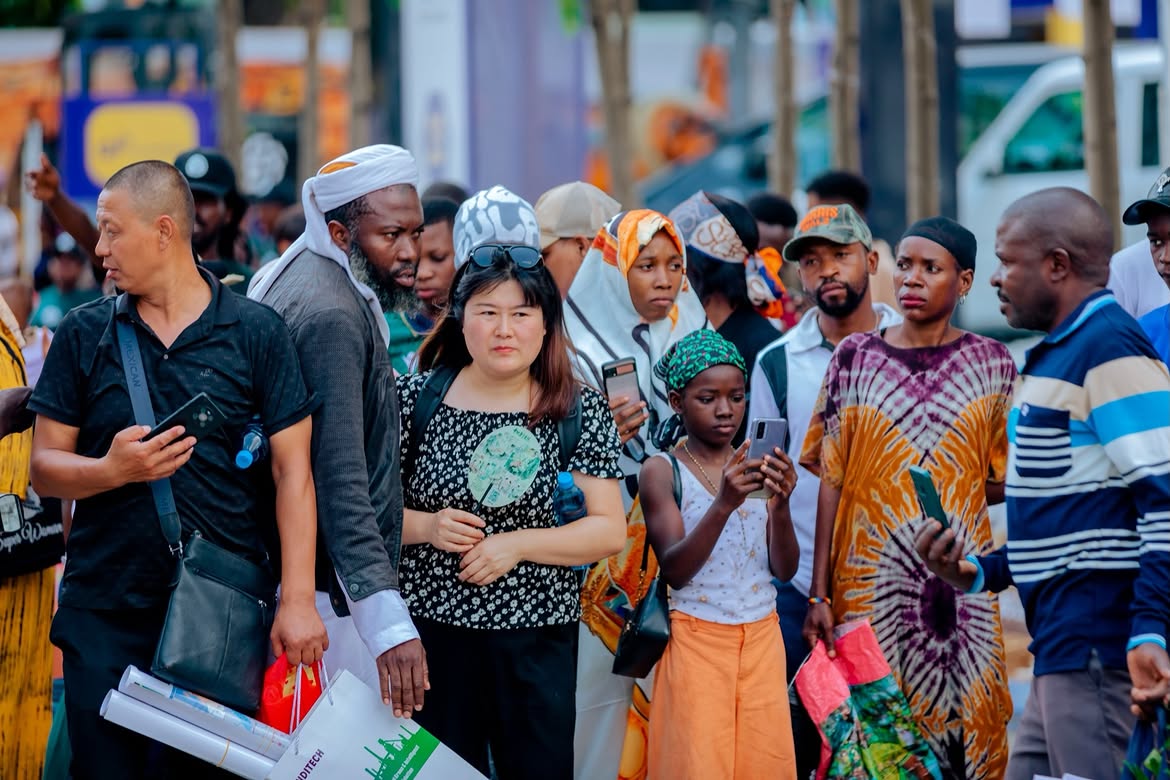
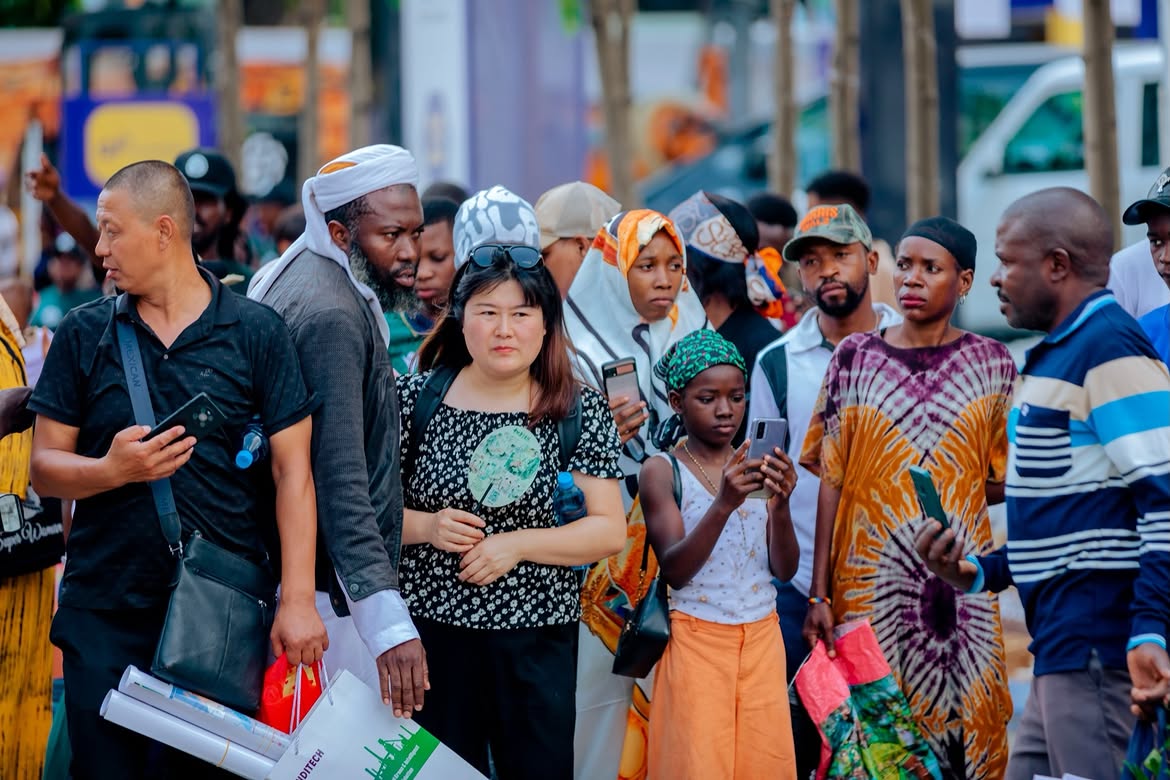
DAR ES SALAAM: THE curtains dropped yesterday on the 50th edition of the Dar es Salaam International Trade Fair (DITF), bringing to a close a historic Golden Jubilee that cements Saba Saba’s position as the premier economic shop window for East, Central and Southern Africa.
Over the past two weeks, the Mwalimu JK Nyerere Trade Fair grounds have bustled with activity, serving as a vibrant testimony to how far this exhibition has evolved. What began decades ago as a modest domestic marketplace has matured into a massive diplomatic and commercial engine, hosting thousands of local enterprises alongside hundreds of foreign companies from over 30 countries.
The success of this year’s trade fair cannot be measured merely by foot traffic or retail transactions. Its true triumph lies in its profound benefits to our traders, corporate exhibitors and the nation at large. For local Small and Medium Enterprises (SMEs) and established trading companies, Saba Saba has proven to be a vital platform for market testing and brand positioning. More importantly, through structured business-to-business (B2B) engagements, the fair has allowed Tanzanian businesses to forge crossborder partnerships that will yield long-term supply contracts and technology transfers.
On a national scale, the macroeconomic dividends are clear. Supported by the strategic hub of the Dar es Salaam harbour, the fair operates as a powerful one-stop centre linking global commerce to regional markets, including Kenya, Uganda, Rwanda, Burundi, the DRC, Zambia, Malawi, Zimbabwe, and Botswana. By bringing international buyers to our doorstep, the exhibition drives foreign exchange, stimulates hospitality and showcases Tanzania’s transition to a producer of value-added goods.
The tone for this milestone edition was set at its opening, where President Samia Suluhu Hassan welcomed Mozambican President Daniel Francisco Chapo. Their joint call to market our nations as a unified investment destination highlights the true modern purpose of Saba Saba. It is now a primary vehicle for realising the potential of the African Continental Free Trade Area (AfCFTA).
However, as the pavilions are dismantled, we must confront the reality that an exhibition is only a catalyst. The government has done its part by investing in foundational infrastructure such as the direct port-to-rail Standard Gauge Railway (SGR) cargo links and deploying economic diplomacy to open continental pathways.
The burden of proof now shifts squarely to the private sector. Policy frameworks open doors, but they cannot sign supply contracts. Tanzanian businesses must aggressively follow up on the leads generated over the past fortnight to translate this temporary energy into permanent economic transformation.