
DAR ES SALAAM: “The future of every nation is shaped not only by what its children learn, but by how safe they feel while learning.” This simple truth is becoming increasingly important as countries strive to equip young people with the knowledge, confidence and resilience needed to thrive in an ever-changing world.
For Tanzania, where more than half of the population is under the age of 25, ensuring that schools are safe is no longer just an education issue it is a national development priority.
Encouragingly, Tanzania has made remarkable progress in reducing violence against children over the past fifteen years. Findings from the latest violence against children survey show that incidents of violence have significantly declined compared to the baseline survey conducted in 2009.
This progress reflects years of investment in child protection policies, legal reforms and collaborative efforts involving government institutions, development partners and civil society organizations.
Yet, while these achievements deserve recognition, they also reveal a critical reality: many young people continue to experience risks that threaten their education, mental well-being and future opportunities.
School violence extends far beyond physical punishment. It includes emotional abuse, bullying, sexual violence, intimidation and neglect, all of which leave lasting scars on young people.
A student who constantly fears humiliation or violence is less likely to participate in class, concentrate on lessons or develop confidence. Over time, these experiences contribute to absenteeism, poor academic performance and, in severe cases, school dropout.
The psychological effects are equally damaging, exposing young people to anxiety, depression and emotional trauma that may follow them into adulthood. Recognizing these challenges, Tanzania recently undertook the Safe to Learn National Diagnostic Exercise to assess how effectively the country’s education system prevents and responds to violence in and around schools.
ALSO READ: Tanzania steps up preps for two high-profile continental events
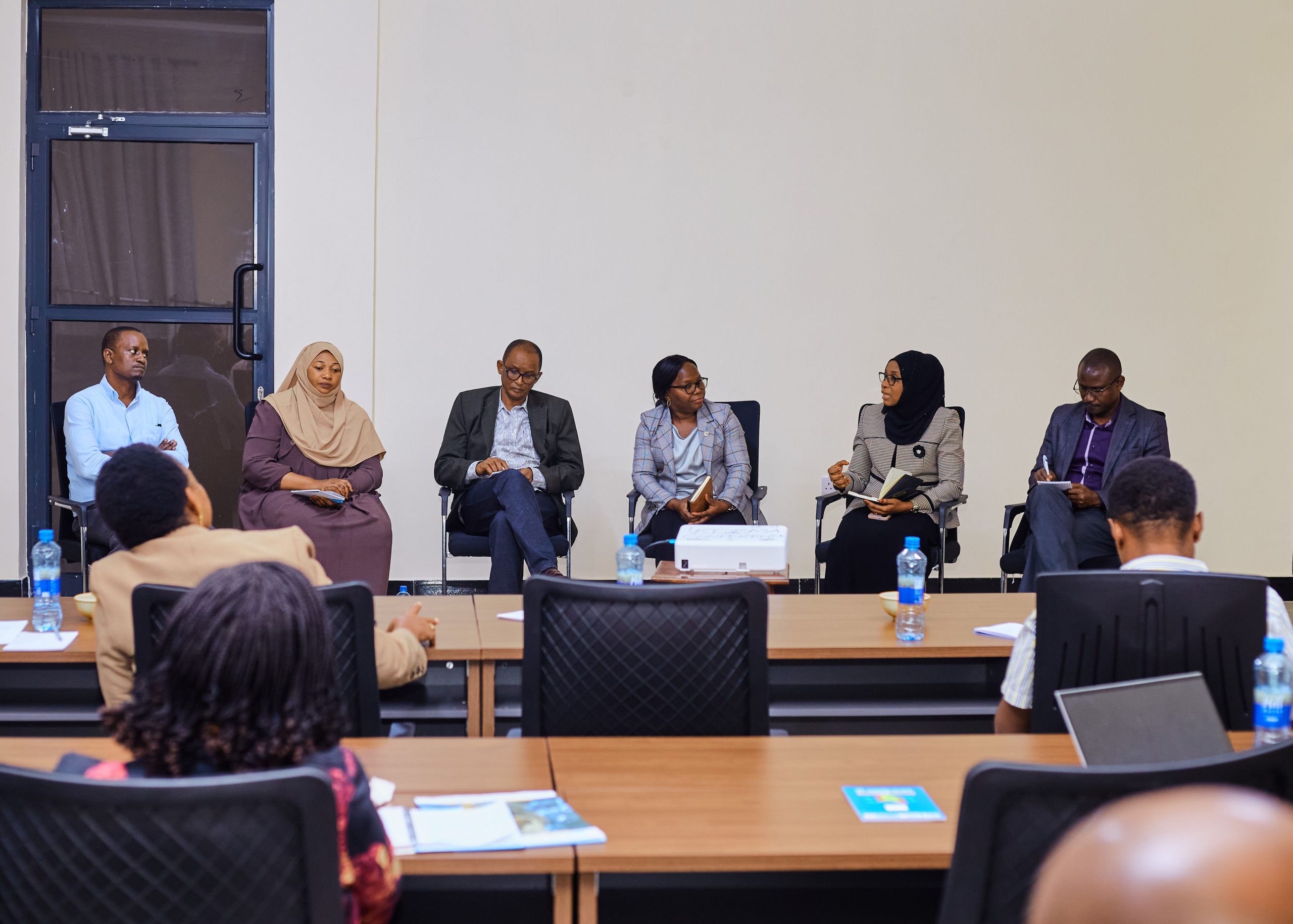
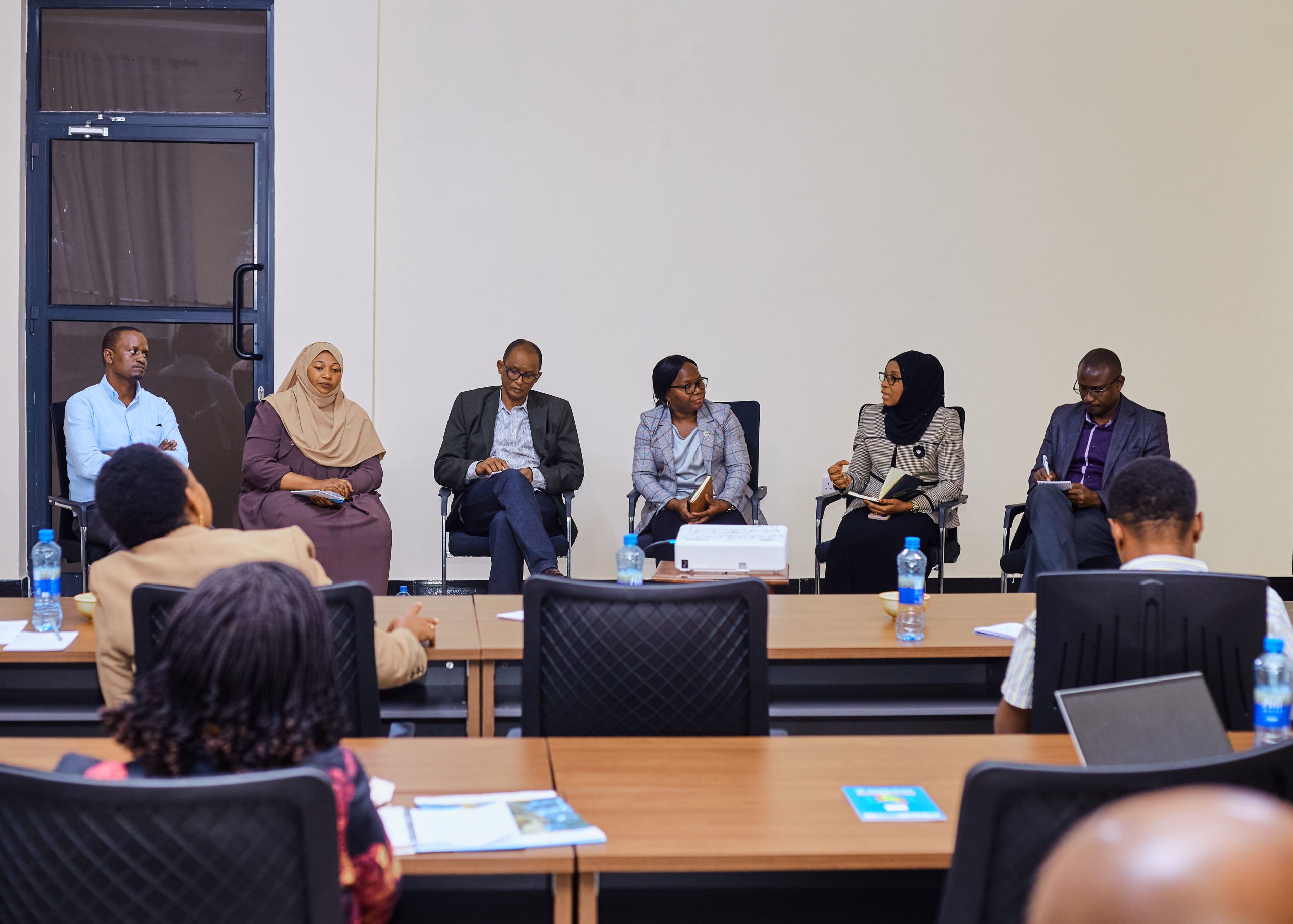
And the launch of the safe learning assessment in Tanzania took place recently in Dodoma organized by HakiElimu and another stake holders. Conducted across both Tanzania Mainland and Zanzibar, the assessment reviewed policies, institutional systems and school-level interventions while identifying areas requiring further attention.
The exercise concluded that although national policies have improved considerably, implementation remains uneven, particularly at district and school levels. Perhaps the most significant message emerging from the assessment is that protecting children is not simply about enforcing rules it is about empowering young people themselves.
Across many schools, student clubs have become important platforms where learners discuss children’s rights, life skills, gender equality and violence prevention. These peer-led initiatives encourage students to speak openly about challenges affecting them while creating trusted spaces for reporting abuse and supporting fellow learners.
Rather than seeing students as passive beneficiaries of protection programmes, these initiatives position young people as active partners in creating safer school environments. Life skills education has also emerged as one of the strongest investments in Tanzania’s youth.
By integrating violence prevention, communication skills, emotional intelligence and conflict resolution into the school curriculum, education extends beyond academic achievement.
Young people learn how to resolve disagreements peacefully, respect diversity, recognize abusive behavior and seek help when necessary. In Zanzibar, similar messages have even been integrated into madrasa education, demonstrating how child protection can be reinforced through community and religious institutions.
However, the report also highlights challenges that cannot be ignored. Many schools, especially those in rural communities, still lack professionally trained counsellors and psychosocial support personnel. Teachers often shoulder the responsibility of guiding learners despite having limited training and overwhelming workloads.
As a result, children experiencing violence may not always receive timely emotional support or professional care. Even where reporting mechanisms exist, insufficient coordination and limited resources sometimes prevent cases from being handled effectively.
Another obstacle lies beyond school walls and social norms continue to influence how communities perceive violence against children. In some areas, corporal punishment remains widely accepted as a legitimate disciplinary tool despite growing evidence showing that violence negatively affects children’s development and learning outcomes changing these attitudes requires more than legislation.
ALSO READ: Purpose, faith and perseverance: The journey of Tanzania’s second-best student ACSEE
It demands continuous engagement with parents, teachers, religious leaders and local communities to promote positive parenting and non-violent approaches to discipline.
Financing is another critical concern although Tanzania has established comprehensive national frameworks for preventing violence against children, much of the implementation still depends on donor-funded programmes.
This creates uncertainty about sustainability, especially when external funding declines. Experts argue that dedicated domestic financing, stronger public-private partnerships and increased investment in school-based child protection systems will be essential for ensuring that today's gains are maintained over the long term.
Technology presents both opportunities and emerging risks for young people. While digital platforms improve access to information and learning, they also expose students to cyberbullying, online exploitation and other forms of digital abuse.
The report recommends expanding research and strengthening national systems capable of addressing technology-facilitated violence, ensuring that child protection evolves alongside rapid technological change. Mental health has equally become impossible to separate from discussions about education.
Young people who learn in environments characterized by fear, discrimination or violence often struggle to develop the confidence and resilience required to pursue higher education, employment and entrepreneurship.
Conversely, students who feel respected, protected and supported are more likely to become innovative, productive and socially responsible citizens. Safe schools therefore contribute not only to academic success but also to building a healthier and more capable generation ready to contribute to Tanzania's economic and social transformation.
The Safe to Learn assessment ultimately delivers an optimistic message. Tanzania has already established strong policy foundations, introduced school-based protection mechanisms and demonstrated national commitment to ending violence against children.
Yet policy alone cannot guarantee safety. Real progress depends on consistent implementation, stronger local coordination, sustainable financing and meaningful participation of young people themselves in shaping solutions. As Tanzania continues its journey toward inclusive and quality education for all, one principle remains clear: protecting young people today means protecting the country’s future tomorrow.
Every classroom where students feel safe to ask questions, express themselves and pursue their dreams without fear becomes more than just a place of learning. It becomes the foundation upon which a stronger, more prosperous and more resilient Tanzania will be built.